





share


How can ELT move beyond grammar drills to build real-world skills like critical thinking and creativity?
21st-century learning isn’t just a buzzword—it’s a game-changer for education, equipping students with the skills they need to thrive in the modern world. Skills like critical thinking, creativity, problem-solving, and communication, have been flagged as critical to achieving success in the digital economy.
In a recent webinar, Alison Davis, an expert in literacy-rich instruction for ESL teachers, shared powerful strategies for embedding these skills into English Language Teaching (ELT). We’ve distilled the key insights from the webinar into actionable ideas you can use right away in your classroom.
1. Shift from Receptive to Productive Language Use
Traditional ELT methods focused heavily on receptive language skills (reading and listening) and primarily involved learning the content of course books. These methods often involved memorisation and repetition, with a strong emphasis on teaching rules, structures, and vocabulary.
Today, the focus is shifting towards helping students use language productively – to not just understand it, but to actually use language to problem-solve and find solutions. We should be teaching students to use language with a real sense of purpose.
Actionable Tip: Promote Active Learning
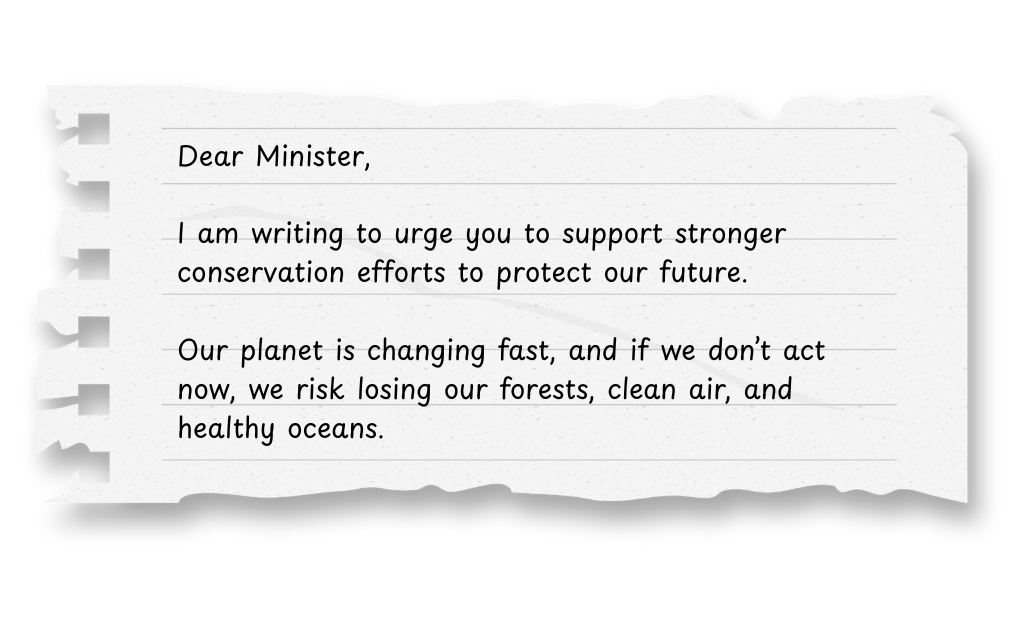
Instead of having students read and memorise texts, challenge them to apply what they’ve learned by creating their own sentences or short paragraphs. For example, after reading an article on climate change, students can write a persuasive letter about the importance of environmental conservation.
2. Encourage Critical Thinking with Real-World Texts
Students should be encouraged to evaluate content critically, ask probing questions, and challenge the information presented. This skill is essential for analysing real-world texts, such as news articles or social media posts, which are often filled with biases and assumptions.
Actionable Tip: Evaluate Sources
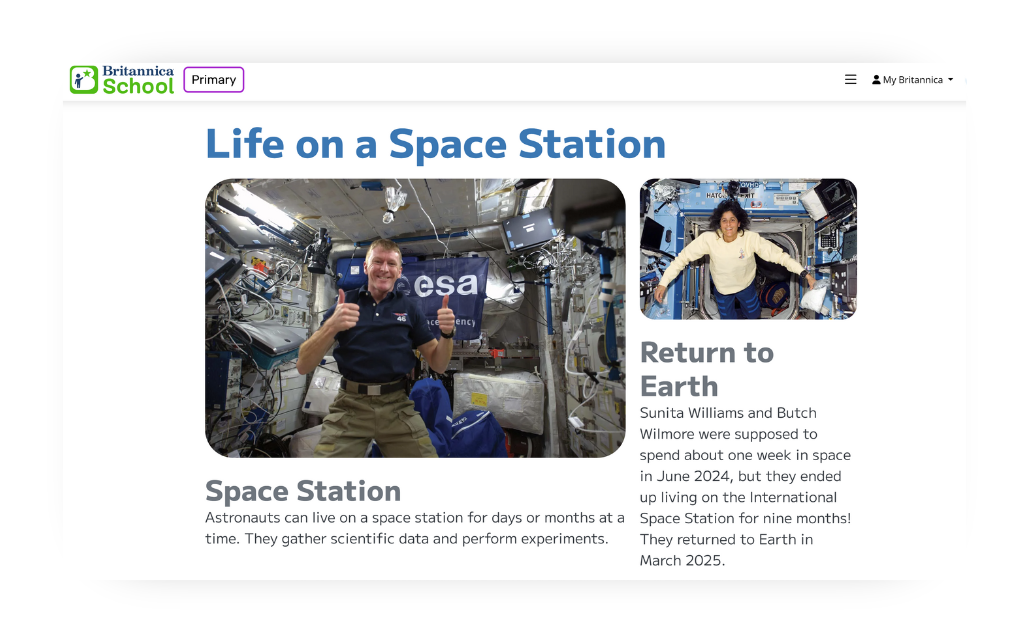
Use a piece of text from a reliable source like Britannica to ask your students to assess its credibility. You can start by asking questions like: “Who created this content? What might be missing?” or “Is this fact or opinion?”. And more importantly, you should ask “What will you do with this information? How can you communicate this to others in a really powerful way?”.
3. Fostering Creativity and Idea Generation
We want students to be creative. By encouraging students to generate, exchange, and build on the ideas of others, we foster a dynamic classroom environment where creativity thrives. Students should be encouraged to think outside the box and given the freedom to produce original work that reflect their own insights and ideas.
Actionable Tip: Design Infographics
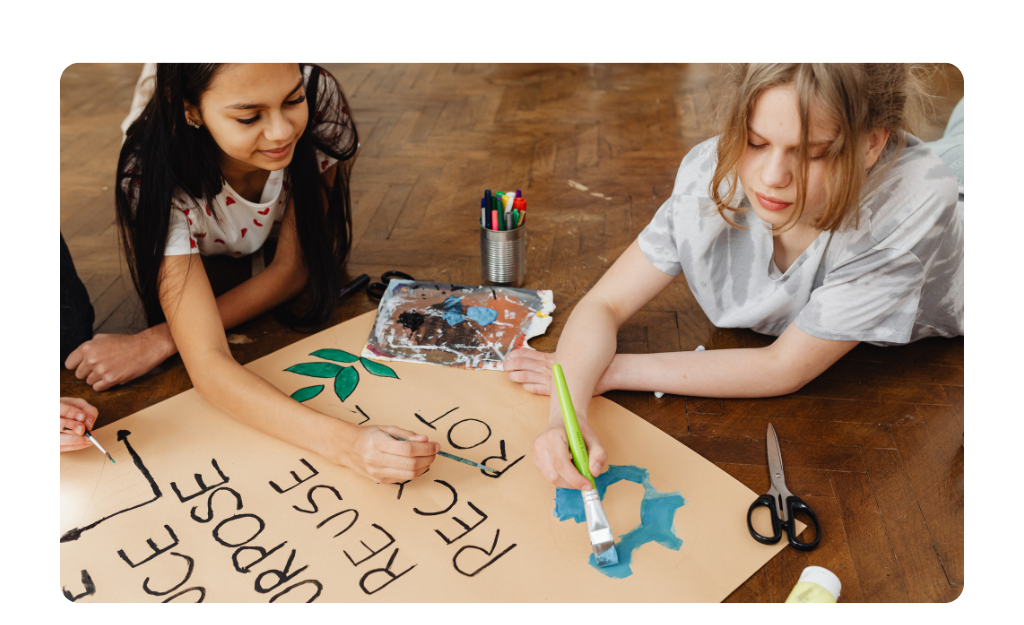
One great tool for fostering creativity in an ELT classroom is having students design infographics. By using receptive content from their reading, students can creatively organise and present key concepts. This process not only allows them to synthesise information but also helps build their confidence in using language effectively.
4. Develop Communication Skills with Turn-and-Talk Activities
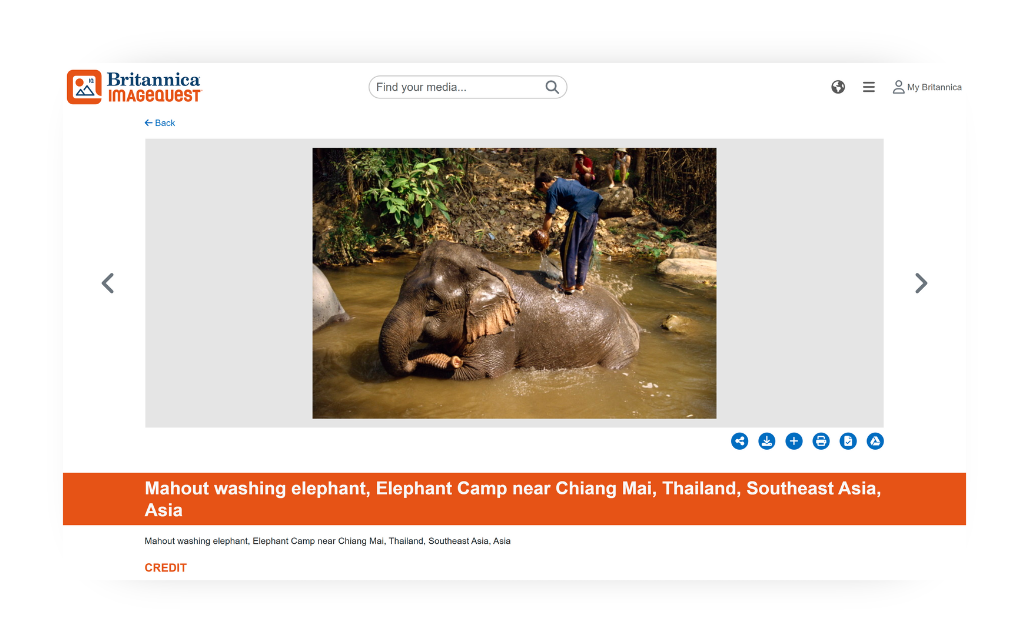
Effective communication is a vital skill for students. Alison stresses the importance of giving students authentic speaking practice, since “the person doing the talking is the person doing the learning”. One of the most effective strategies is the Turn-and-Talk activity, where students are given an image or topic to discuss with a peer before sharing their ideas with the whole class.
Actionable Tip: Use Turn-and-Talk
Present students with a photograph or image, then ask them to discuss it with a partner. Encourage them to describe what they see, what they think might be happening, and what questions arise, before sharing with the class.
Conclusion
By integrating these strategies into your teaching practices, you can equip your students with the essential 21st-century skills they need to thrive in an increasingly complex world.
To explore these ideas in more detail, ▶️ watch the full webinar “Strategies to Implement 21st Century Skills in ELT”.
Join Alison as she provides deeper insights into how you can make these skills an integral part of your English language teaching.


Recent Blog Posts
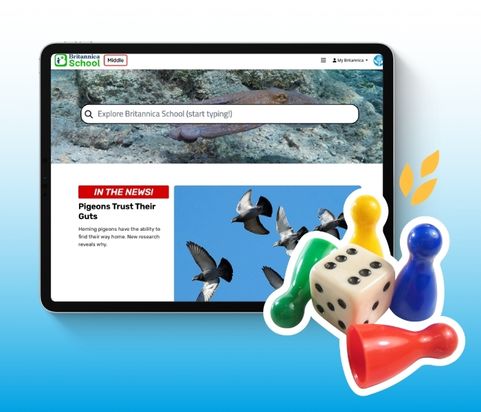
With Britannica School’s built-in tools, you already have everything you need to turn research into an adventure.
Britannica School’s most viewed articles offer a peek into what captured the curiosity of students, teachers, and library-goers in 2025.
As exam time rolls around, the pressure ramps up for everyone. Discover some practical ways to make the most of your resource this term.

Scientific literacy goes beyond knowing facts or memorising vocabulary. At its core, it’s about understanding how science works.
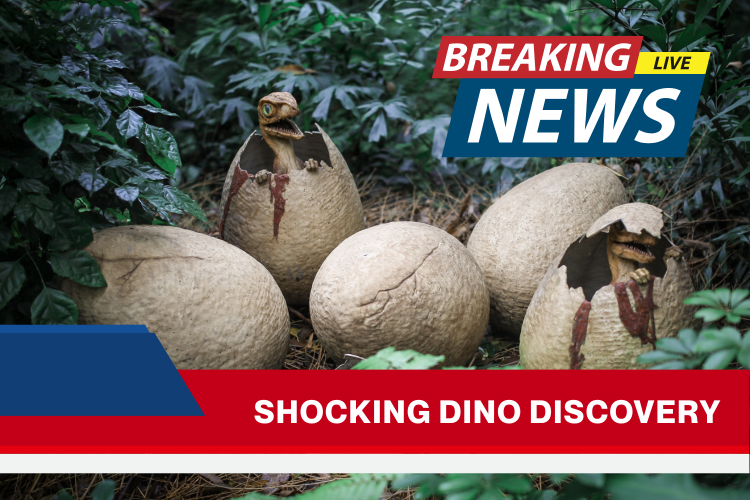
These Australian curriculum-aligned classroom activities invite students to explore what might happen if dinosaurs walked the Earth again

Britannica School’s Ocean Conservation resources include engaging diagrams, charts, and other structured visuals.
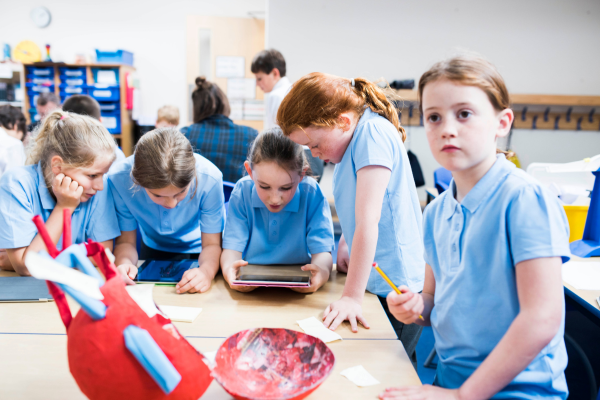
Curiosity in science matters, but without explicit instruction to lay the groundwork, inquiry can leave students guessing.
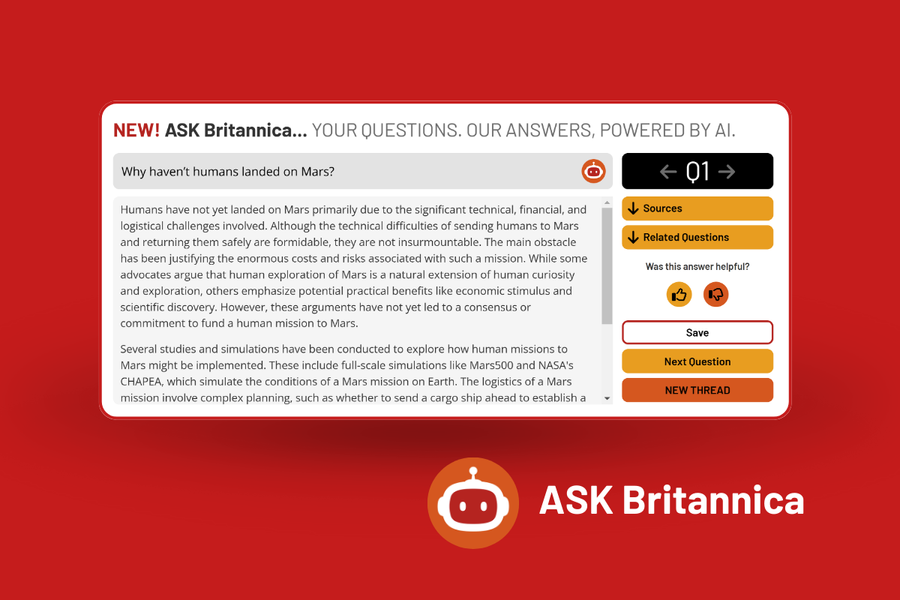
ASK Britannica makes it simple to ask questions, find answers and explanations, and explore Britannica’s vast knowledge base.

By understanding the science of confidence and using trusted resources like Britannica, educators can build confident learners
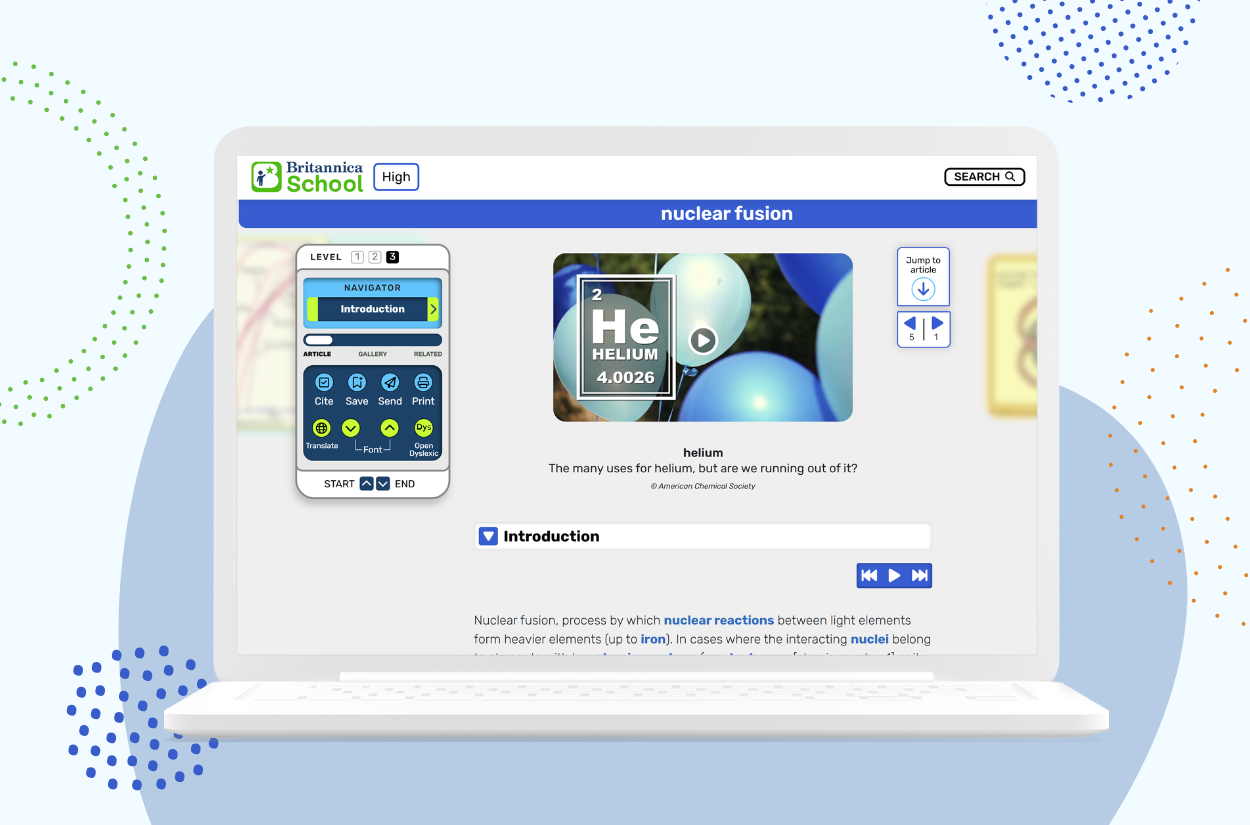
In 2025, we’re continuing to expand, update, and enhance Britannica School, starting with the launch of a new High School Level design this month.