




share


Dinosaurs are back, but are we ready?
Science is racing toward possibilities that once lived only in movies. This Australian curriculum-aligned classroom guide invites students from Early Years to Year 8 to explore what might happen if dinosaurs walked the Earth again through research, reasoning, and imagination.
Each hands-on challenge integrates Britannica School with creative thinking, digital creation, and real-world ethical inquiry with no planning required.
Each challenge includes:
- A real-world inspired task
- Guiding questions to promote critical thinking
- Integration with Britannica School
- Opportunities for creativity and digital creation
- Curriculum links
Let’s jump in to a future with dinosaurs!
Activity Snapshot: At a Glance
Here’s a quick guide for teachers to preview the challenges and their learning focus.
Early Years
- Bone Clue Builder – Reconstruct a dinosaur using clues from bones.
- Dino Dance Moves – Use movement to show how different dinosaurs moved.
Foundation – Year 2
- Design-a-Dino – Invent a dinosaur that could survive in your town today.
- Dino Café Menu – Create a fun menu for carnivorous and herbivorous dinosaurs.
Years 3–4
- Survival Test – Explore whether a dinosaur could live in our world now.
- Dino Timeline – Map out major events across the Triassic, Jurassic, and Cretaceous periods.
Years 5–6
- De-extinction Debate – Argue for or against bringing dinosaurs back through science.
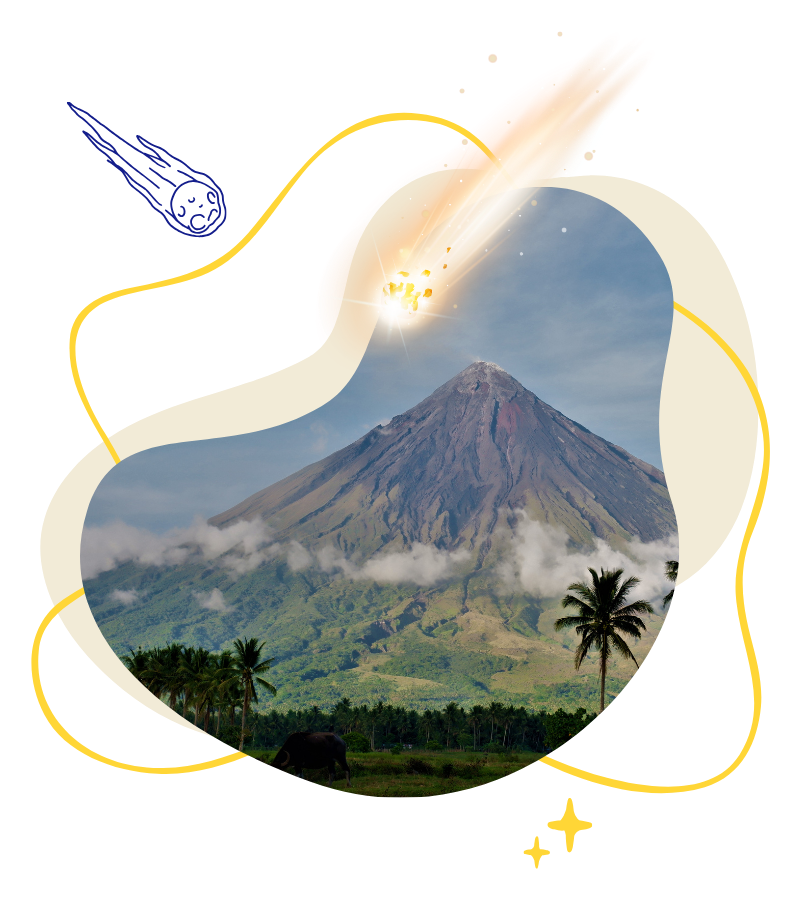
- What Went Wrong? – Investigate how and why the dinosaurs became extinct.
Years 7–8
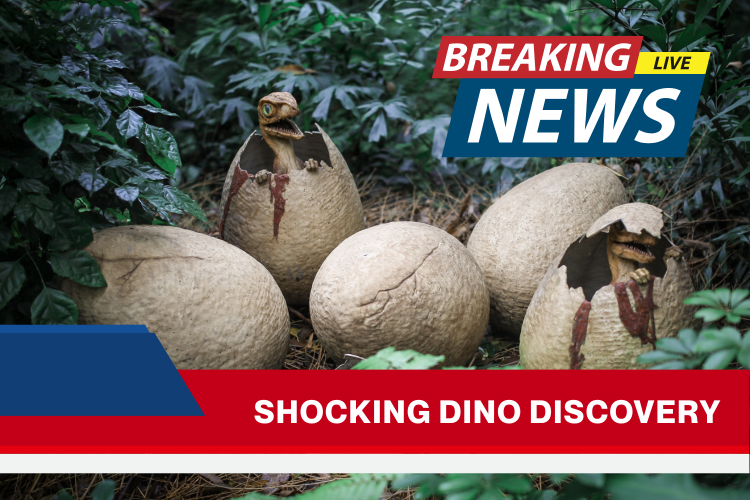
- Dino Newsroom – Create a breaking news report about a fossil discovery.
- Fossil Rebuild – Reimagine a dinosaur from limited fossil evidence.
Early Years (Kindergarten/Prep School)
Challenge: Bone Clue Builder
Curriculum Links: ACSSU003, ACELY1646
🏆 Challenge: A mysterious bone has been discovered. Can you build the dinosaur it belonged to?
🕵🏻♀️ Investigate: Look at images of dinosaur bones, teeth, and tails on Britannica School.
✏️ Create: Draw or build a model of your dinosaur using what you learned.
🧠 Think & Talk: What do the bones tell us about its size or diet?
🔮 Reflect: What was the most surprising clue you noticed?
🧗♂️ Level Up: Take a photo of your model and label its features.
💡 Optional Support: Start with: “This dinosaur might walk on four legs because…” or “The teeth are sharp, so it probably…”
💻 Suggested Resources:
Look up “Dinosaurs” on the Britannica School Early Primary Level

Challenge: Dino Dance Moves
Curriculum Links: ACSSU003, ACELY1646
🏆Challenge: Can you move like a dinosaur?
🕵🏻♀️Investigate: Use Britannica to see how dinosaurs walked, swam, or flew.
✏️Create: Design a movement or dance to show how 3 dinosaurs moved.
🧠Think & Talk: How did you decide on each movement?
🔮Reflect: How is dinosaur movement similar or different to animals today?
🧗♂️Level Up: Film your dance and narrate it.
💡Optional Support: Ask a partner, “What kind of dinosaur am I being?” or say, “I moved like a T-Rex because…”
💻Suggested Resources: Look up “Dinosaurs” on the Britannica School Early Primary Level
Foundation – Year 2
Challenge: Design-a-Dino
Curriculum Links: ACSSU017, ACELY1651, ACTDIP003
🏆Challenge: A dinosaur must live in your town today. What features would it need to survive?
🕵🏻♀️Investigate: Explore habitats, climate, and features on Britannica.
✏️Create: Draw, build or digitally design a dinosaur adapted to your town.
🧠Think & Talk: What helps your dinosaur survive? What puts it at risk?
🔮Reflect: Which adaptations were most important and why?
🧗♂️Level Up: Turn your dinosaur into a digital poster with labels.
💡Optional Support: “My dinosaur has ___ to help it survive in ___” or draw where your dinosaur lives.
Challenge: Dino Café Menu
Curriculum Links: ACSSU002, ACELY1654
🏆 Challenge: Open a café for dinosaurs! But first — figure out what they eat.
🕵🏻♀️ Investigate: Study carnivores and herbivores on Britannica.
✏️ Create: Make a menu with meals for meat- and plant-eating dinosaurs.
🧠 Think & Talk: How can we tell what a dinosaur ate from its bones?
🔮 Reflect: What surprised you about their diets?
🧗♂️ Level Up: Create a food web using paper or digital design tools like Canva.
💡 Optional Support: “This dinosaur eats ___ because it has ___” or draw a herbivore/carnivore plate.
💻 Suggested Resources:
“Dinosaurs” article on the Britannica School Primary Level
Years 3 – 4
Challenge: Survival Test
Curriculum Links: ACSSU073, ACELY1694
🏆Challenge: A dinosaur has appeared in your town or suburb. Could it survive?
🕵🏻♀️Investigate: Use Britannica to find out how your dinosaur lived.
✏️Create: Make a survival guide, comic, or poster showing how it might adapt.
🧠Think & Talk: What would be its biggest challenge?
🔮Reflect: What did you learn about animals and survival?
🧗♂️Level Up: Record a news video announcing the dinosaur’s arrival.
💡Optional Support: “In today’s world, my dinosaur would…” or list: diet, shelter, dangers.
💻Suggested Resources: Look up “Dinosaurs” on the Britannica School Primary Level
Challenge: Dino Timeline
🏆 Challenge: When did dinosaurs live, and what came before and after?
🕵🏻♀️ Investigate: Use Britannica to explore Triassic, Jurassic, and Cretaceous periods.
✏️ Create: Make a timeline with illustrations of key events.
🧠 Think & Talk: What changed across the three periods?
🔮 Reflect: What helps us understand the history of life?
🧗♂️ Level Up: Animate your timeline digitally.
💡 Optional Support: “In the Jurassic period, ___ happened” or use coloured labels for each era.
💻 Suggested Resources:
Look up “Dinosaurs” on the Britannica School High Level
Years 5 – 6
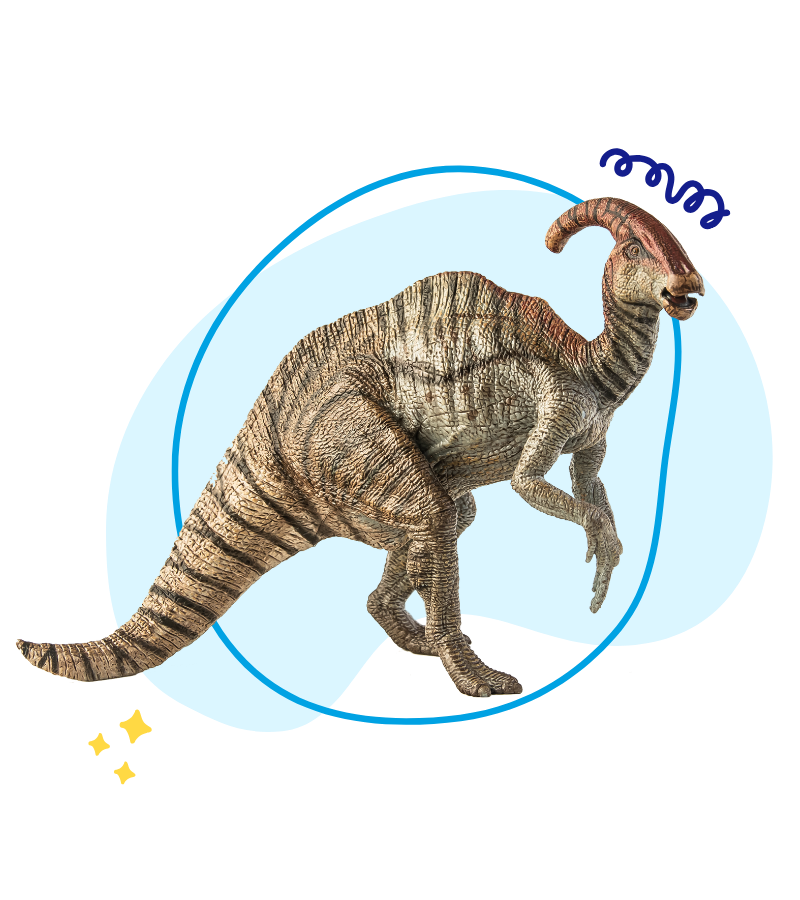
Challenge: De-extinction Debate
Curriculum Links: ACSHE083, ACELY1704, ACHASSI102
🏆Challenge: Scientists can bring back extinct species. Should they bring back dinosaurs?
🕵🏻♀️Investigate: Use Britannica to explore cloning, extinction, and scientific responsibility.
✏️Create: Write or perform a persuasive piece explaining your opinion.
🧠Think & Talk: What are the risks or benefits of de-extinction?
🔮Reflect: What does this teach us about power, science, and decision-making?
🧗♂️Level Up: Record your opinion as a video or podcast with music and visuals.
💡Optional Support: “I believe we should/shouldn’t bring back dinosaurs because…” List three reasons.
💻Suggested Resources: Look up “Dinosaurs” on the Britannica School Primary Level
Challenge: What Went Wrong?
Curriculum Links: ACSSU094, ACSIS107
🏆 Challenge: Explore why dinosaurs disappeared and what it teaches us today.
🕵🏻♀️ Investigate: Use Britannica to research extinction theories and dinosaur ecosystems.
✏️ Create: Design a cause-and-effect flowchart, comic strip, or ecosystem map showing how collapse happened.
🧠 Think & Talk: What was the tipping point? Could something like this happen again?
🔮 Reflect: Why is protecting ecosystems important?
🧗♂️ Level Up: Make a digital explainer using Canva or Jamboard.
💡 Optional Support: Use a cause-and-effect sentence like: “First ___, then ___, which led to ___”.
💻 Suggested Resources:
Look up “Dinosaurs” on the Britannica School High Level
Years 7 – 8
Challenge: Fossil Rebuild
Curriculum Links: ACSHE119, ACSIS125
🏆Challenge: You’ve found part of a fossil. Reconstruct the dinosaur it came from.
🕵🏻♀️Investigate: Use Britannica to explore fossil records, anatomy, and comparison species.
✏️Create: Sketch or 3D-model a dinosaur based on your fossil. Add reasoning notes for each feature.
🧠Think & Talk: What evidence helped you decide how the dinosaur looked and lived?
🔮Reflect: How do scientists work with limited data and evidence?
🧗♂️Level Up: Present your model in a short video or slideshow with voiceover.
💡Optional Support: “I think this feature helped the dinosaur because…” or list 3 fossil clues you used.
💻Suggested Resources: Look up “Dinosaurs” on the Britannica School High Level
Challenge: Dino Newsroom
Curriculum Links: ACELY1721, ACSIS148
🏆 Challenge: A fossil discovery has made headlines. You’re the reporter — break the story.
🕵🏻♀️ Investigate: Use Britannica to find out how real fossil discoveries are reported.
✏️ Create: Script and record a news segment with interviews (scientist, local, reporter).
🧠 Think & Talk: Why is this discovery significant? What evidence needs to be included?
🔮 Reflect: What role does communication play in science?
🧗♂️ Level Up: Film and edit your story as a short news-style video.
💡 Optional Support: Start your story with: “Breaking news! Scientists have discovered…”
💻 Suggested Resources:
Look up “Dinosaurs” on the Britannica School High Level



Recent Blog Posts
With Britannica School’s built-in tools, you already have everything you need to turn research into an adventure.
Britannica School’s most viewed articles offer a peek into what captured the curiosity of students, teachers, and library-goers in 2025.
As exam time rolls around, the pressure ramps up for everyone. Discover some practical ways to make the most of your resource this term.

Scientific literacy goes beyond knowing facts or memorising vocabulary. At its core, it’s about understanding how science works.
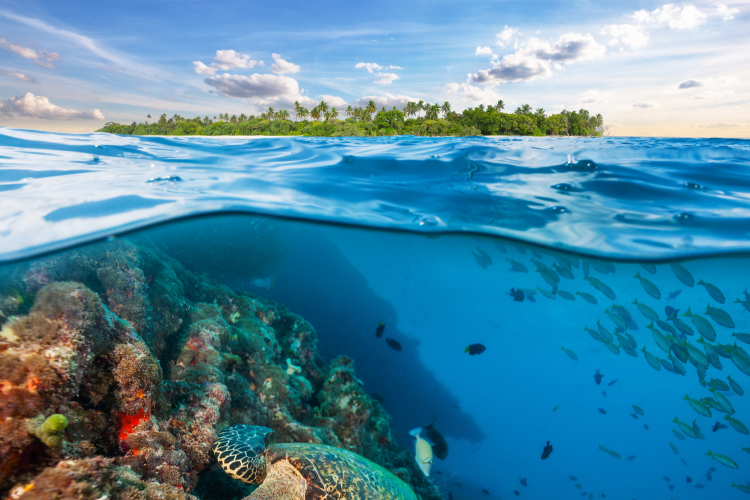
Britannica School’s Ocean Conservation resources include engaging diagrams, charts, and other structured visuals.
Curiosity in science matters, but without explicit instruction to lay the groundwork, inquiry can leave students guessing.

Alison Davis shares powerful strategies for embedding real-world skills into English Language Teaching (ELT)
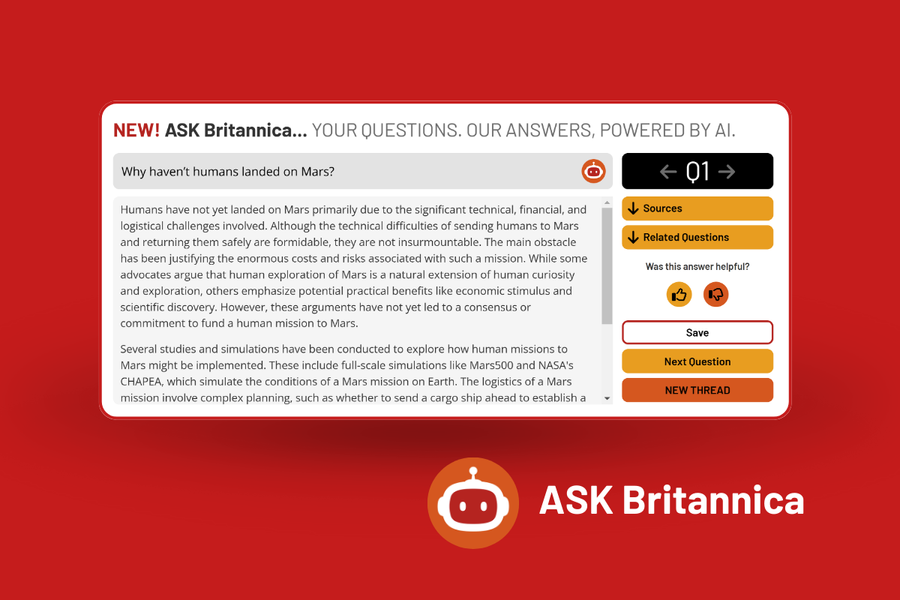
ASK Britannica makes it simple to ask questions, find answers and explanations, and explore Britannica’s vast knowledge base.

By understanding the science of confidence and using trusted resources like Britannica, educators can build confident learners
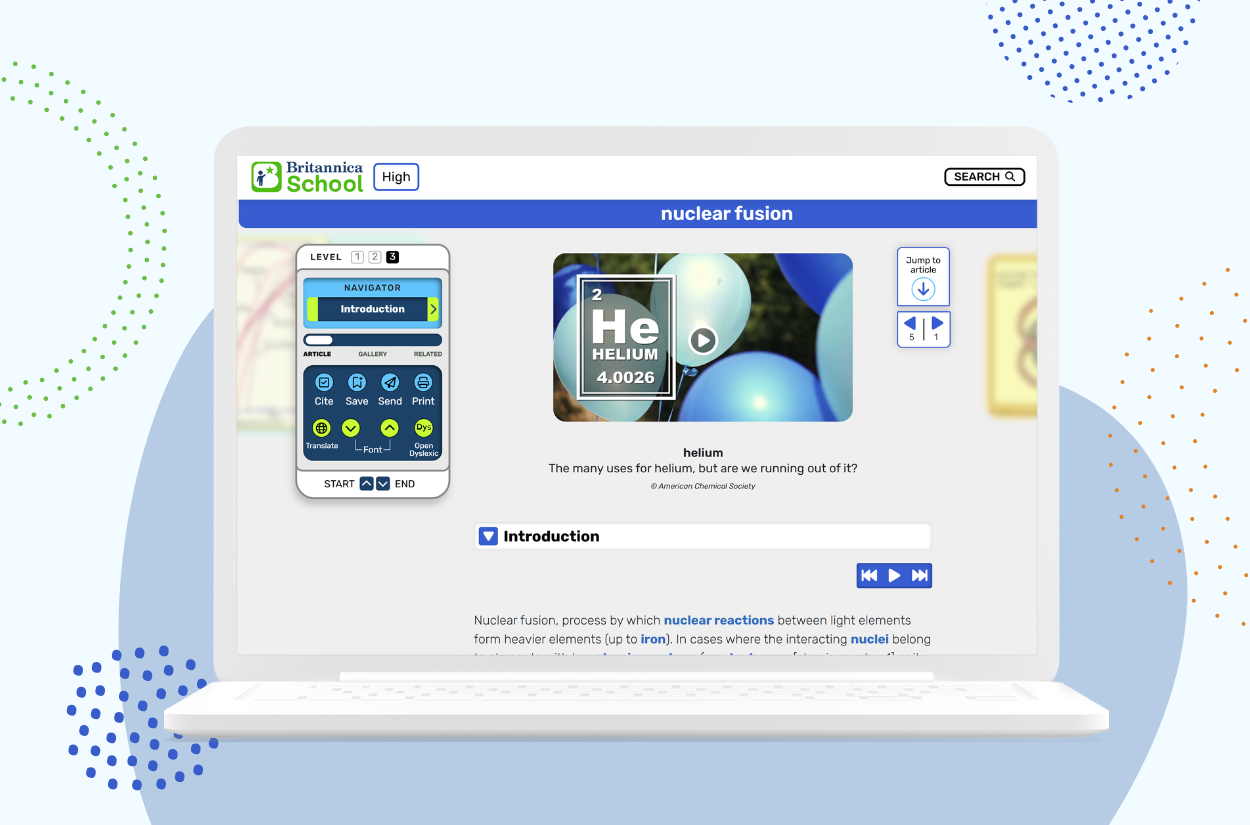
In 2025, we’re continuing to expand, update, and enhance Britannica School, starting with the launch of a new High School Level design this month.