





share


Confidence is often described as the quiet belief in one’s abilities, but beneath this simple definition lies a complex interplay of psychology and neuroscience.
Confidence isn’t just a feeling – it’s a mindset and a physiological state that influences how we think, learn, communicate, and grow. From shaping our motivation to driving our performance, the science of confidence reveals why it is essential for achieving success and reaching our potential.
By understanding the neuroscience of learning and using trusted resources like Britannica, educators can build confident learners – students who not only grasp knowledge but believe in their ability to succeed.
Let’s take a look at the science of confidence and why it’s the key to unlocking a thriving classroom.
The Neuroscience of Confidence: How the Brain Fuels Success
Confidence is driven by specific neural processes that influence memory, attention, and motivation, creating a cycle of success that builds over time.
1. The Role of Dopamine in Motivation
When students succeed at a task, their brains release dopamine, a neurotransmitter associated with the reward system. This activates the nucleus accumbens, creating a positive feedback loop: small successes encourage students to take on more challenges, reinforcing their belief in their abilities.
2. Memory Formation and Recall
Confidence impacts memory by reducing stress, which often inhibits the brain’s ability to encode and retrieve information. When students feel assured in their abilities, the hippocampus (responsible for memory consolidation) functions more effectively, helping them retain and recall information.
3. Neuroplasticity: The Brain’s Adaptability
Confidence fuels neuroplasticity, the brain’s ability to form and strengthen neural connections. Students who believe in their capacity to learn engage in repeated practice, solidifying skills and reinforcing their growth mindset.
The Psychology of Confidence: The Mindsets That Matter
Confident learners share key psychological traits that empower them to thrive:
1. Growth Mindset
Confident students believe that abilities are developed through effort and persistence. They see challenges as opportunities, not threats.
2. Self-Efficacy
Confident students believe in their ability to reach goals, with this belief growing through small, achievable successes.
3. Optimism
Confident learners approach tasks with a positive outlook, focusing on solutions rather than limitations.
How Trusted Knowledge Builds Confidence in Students
Confidence begins with preparation, and preparation begins with knowledge. Trusted resources like Britannica play a vital role in equipping students with the tools they need to succeed:
By Providing Reliable and Accessible Information
Students can depend on Britannica for accurate, trusted knowledge. This certainty reduces cognitive overload and helps students feel prepared for discussions, assignments, and exams.
By Encouraging Curiosity
Easy access to information sparks inquisitiveness, activating the brain’s reward system and fostering a positive knowledge feedback loop. When students see learning as an adventure, their confidence grows naturally.
By Empowering Independent Learning
Britannica enables students to explore topics on their own, building autonomy and self-belief in their ability to find and use information effectively.
Classroom Application: How to Build Confidence in Students
Incorporate Small Wins
Plan lessons that allow students to achieve small, incremental successes. Each success releases dopamine, reinforcing confidence and motivation.
Example: Break complex concepts into manageable steps with clear, achievable milestones.
Draw Upon Trusted Knowledge
Use resources like Britannica to provide a reliable foundation for learning. This eliminates uncertainty and empowers students to explore topics confidently.
Example: Direct students to trusted sources for research projects and class discussions.
Foster Curiosity
Begin lessons with curiosity-driven hooks—questions, stories, or real-world scenarios that engage the brain’s attention centres.
Example: Start a science lesson by asking, “What would happen if…?”
Encourage a Growth Mindset
Reframe mistakes as opportunities for growth and learning. Create a classroom culture where effort is celebrated, and failure is seen as a stepping stone.
Example: Incorporate reflective activities where students identify what they learned from challenges.
Create a Safe Learning Environment
Minimise stress by fostering a supportive classroom where students feel comfortable taking risks.
Example: Use collaborative group activities to encourage peer support and reduce fear of failure.
Focus on Memory Retention
Use spaced repetition and active recall techniques to reinforce learning.
Example: Review key concepts at intervals throughout the term to strengthen long-term retention.
Why Educators Should Focus on Building Confidence
Confidence transforms learning. When students feel capable, they engage more fully, take intellectual risks, and persist through challenges.
By integrating neuroscience-backed strategies and trusted resources like Britannica, educators can create an environment where confidence flourishes and learning thrives.
Start Today!
In your next lesson plan, include one strategy that prioritises building confidence – whether it’s a curiosity-driven question, a trusted resource like Britannica, or a reflective growth mindset activity.
Watch how these small changes inspire your students to engage, succeed, and grow with confidence.


Recent Blog Posts
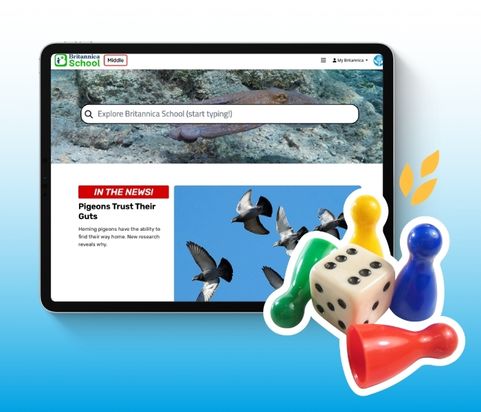
With Britannica School’s built-in tools, you already have everything you need to turn research into an adventure.
Britannica School’s most viewed articles offer a peek into what captured the curiosity of students, teachers, and library-goers in 2025.
As exam time rolls around, the pressure ramps up for everyone. Discover some practical ways to make the most of your resource this term.

Scientific literacy goes beyond knowing facts or memorising vocabulary. At its core, it’s about understanding how science works.
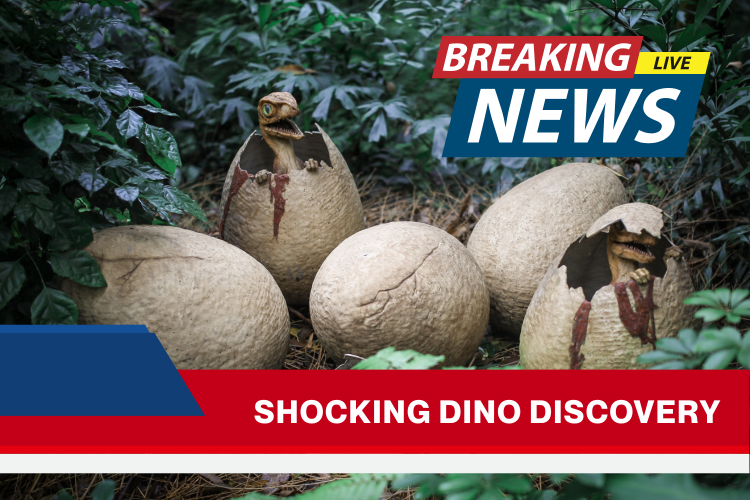
These Australian curriculum-aligned classroom activities invite students to explore what might happen if dinosaurs walked the Earth again

Britannica School’s Ocean Conservation resources include engaging diagrams, charts, and other structured visuals.
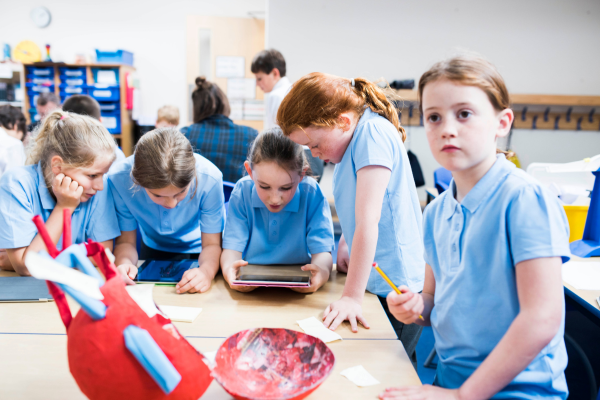
Curiosity in science matters, but without explicit instruction to lay the groundwork, inquiry can leave students guessing.
Alison Davis shares powerful strategies for embedding real-world skills into English Language Teaching (ELT)
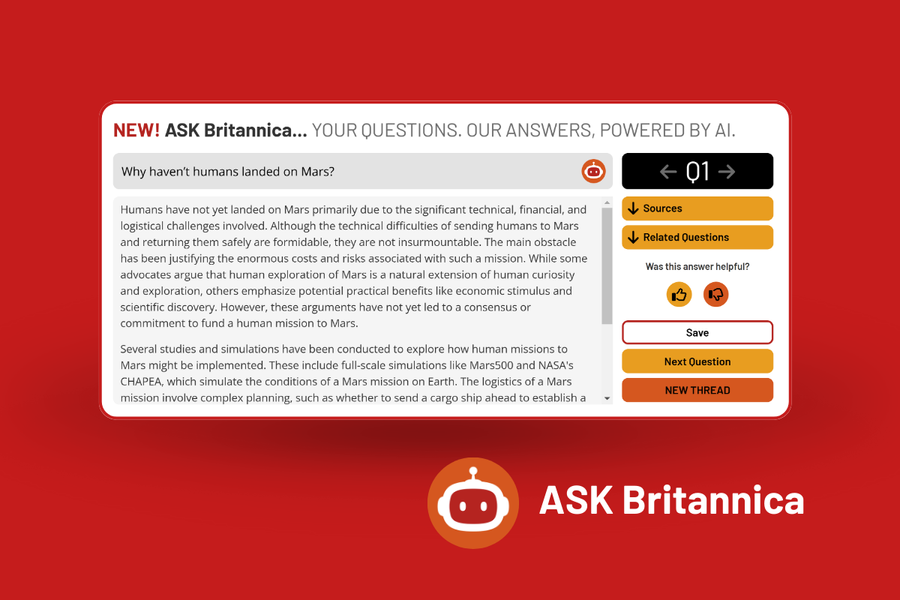
ASK Britannica makes it simple to ask questions, find answers and explanations, and explore Britannica’s vast knowledge base.
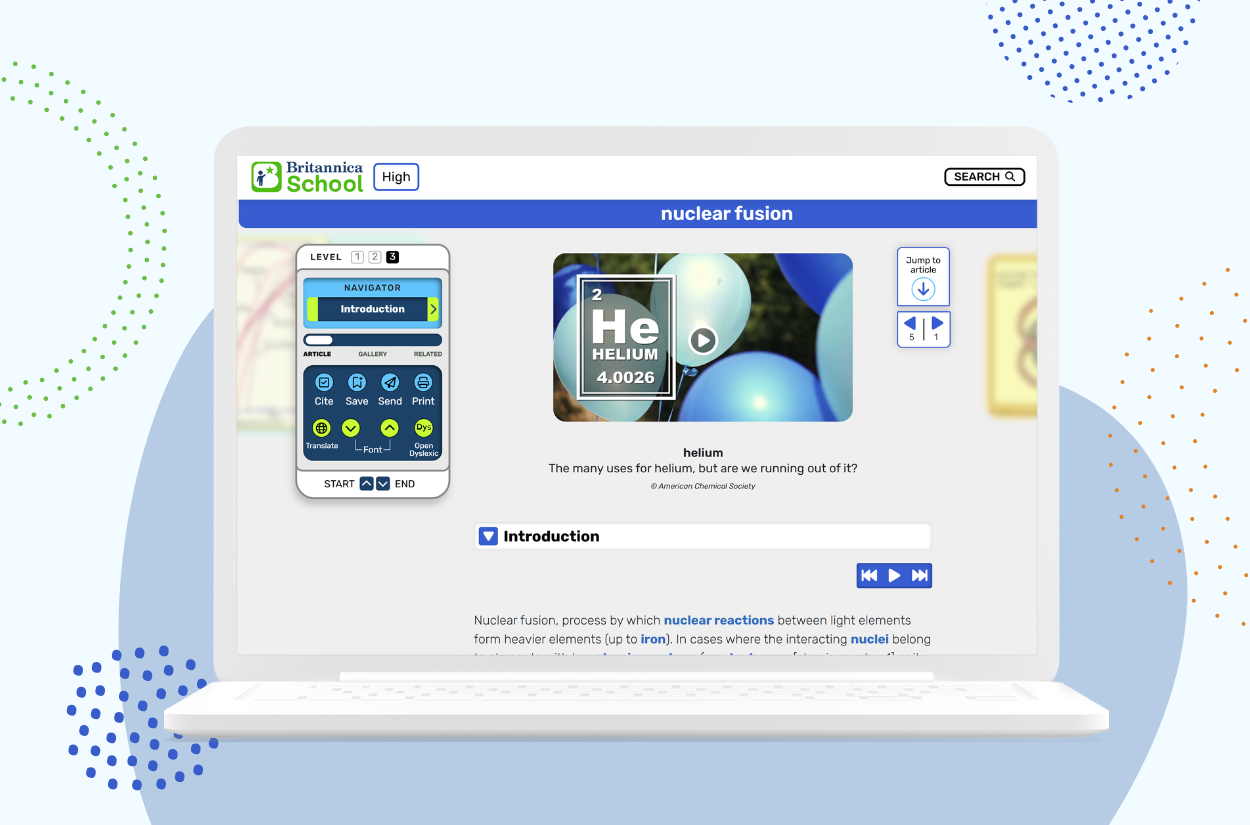
In 2025, we’re continuing to expand, update, and enhance Britannica School, starting with the launch of a new High School Level design this month.