





Use ELA, Science, and Social Studies to Promote Inquiry
According to the NAEP, 33 percent of eighth graders scored below “basic” in reading—the lowest set of scores recorded in the exam’s 33-year history.
Historically, ELA instruction has prioritized literary texts. Consequently, students struggle to read informational texts. Students are expected to analyze informational texts and demonstrate their understanding through both informational and argumentative writing—not just in ELA classrooms but also in science and social studies lessons. To achieve this successfully, students need access to high-quality texts that provide opportunities to engage in deliberate practice.
Britannica Expedition: Learn! secures students’ path to academic success and prepares them to navigate real-world tasks such as making informed voting and consumer choices, and navigating information overload.
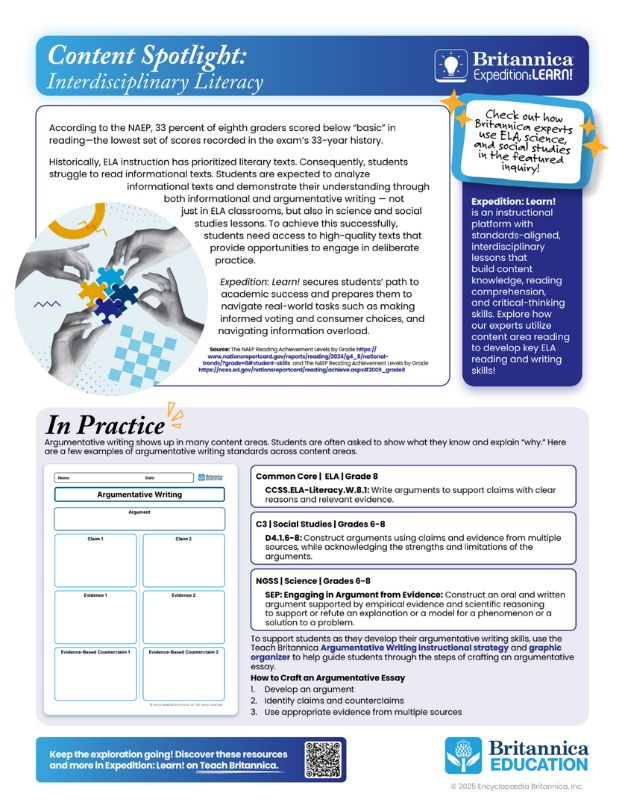
Check out how our experts use the Progress, Technology, and the Environment Inquiry to teach ELA, science, and social studies standards and practice argumentative writing skills.
Develop Argumentative Writing Skills
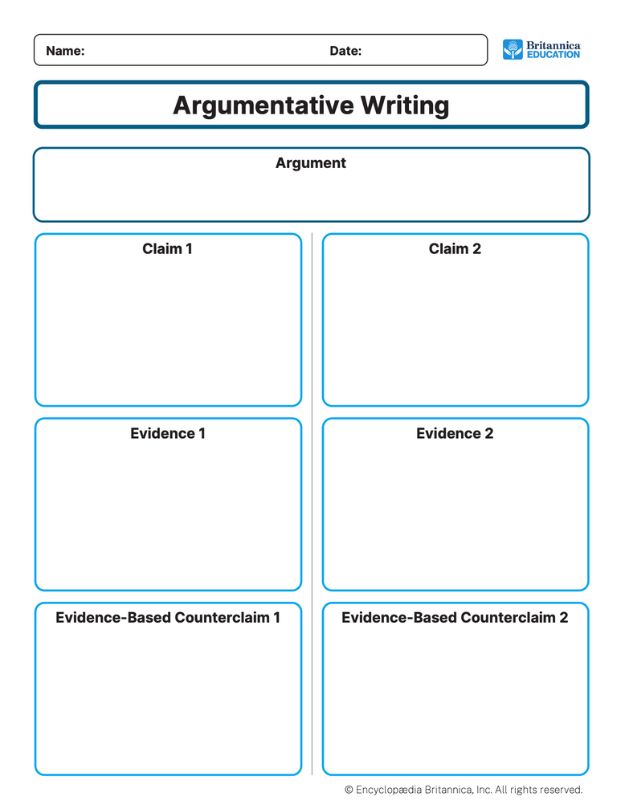
Argumentative writing shows up in many content areas. Students are often asked to show what they know and explain “why.” To support students as they develop their argumentative writing skills, use the Teach Britannica Argumentative Writing instructional strategy and graphic organizer to help guide students through the steps of crafting an argumentative essay.
How to Craft an Argumentative Essay
1. Develop an argument.
2. Identify claims and counterclaims.
3. Use appropriate evidence from multiple sources.
Dive into Inquiry with Expedition: Learn!
Integrating inquiry across ELA, science, and social studies gives students the chance to see how knowledge is interconnected. When students ask questions, gather evidence, and construct arguments across disciplines, they develop and strengthen their critical thinking and problem-solving skills. Students form a deeper and more practical understanding of complex issues, preparing them for the real world.
Expedition: Learn! is grounded in decades of research and evidence-based practice. Lessons can be used for whole-class instruction, small-group reteaching, or independent practice. Expedition: Learn! helps students develop meaningful skills that they can use in and out of the classroom, all year long! Book a demo of Expedition: Learn!
Expedition: Learn! in the Classroom
Check out how our experts use the Progress, Technology, and the Environment Inquiry to teach ELA, science, and social studies standards and practice argumentative writing skills.

Recent Blog Posts

Read, Play, Connect: Bringing Early Literacy to Life with Britannica
Read More: Read, Play, Connect: Bringing Early Literacy to Life with Britannica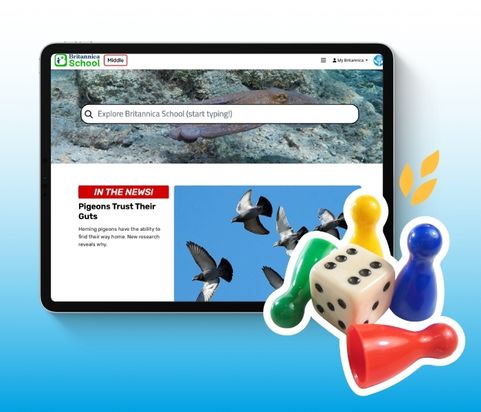
6 Easy Ways to Gamify Britannica School
Read More: 6 Easy Ways to Gamify Britannica School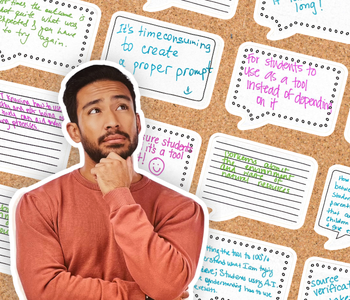
What Educators Really Think About AI: Insights from ISTE 2026
Read More: What Educators Really Think About AI: Insights from ISTE 2026
From 1776 to Today: The Big U.S. Timeline Quiz
Read More: From 1776 to Today: The Big U.S. Timeline Quiz
Using Britannica School and the World Cup to Score Big in the Classroom
Read More: Using Britannica School and the World Cup to Score Big in the Classroom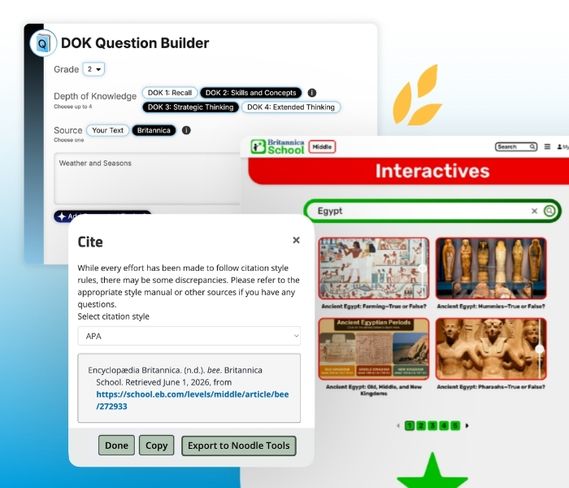
Teach Britannica, for Educators, with Love
Read More: Teach Britannica, for Educators, with Love
Summer Reading Ideas for Kids: Free Activities & Book List
Read More: Summer Reading Ideas for Kids: Free Activities & Book List
Practical Jokes or Practical Adaptations: Can You Find These Critters?
Read More: Practical Jokes or Practical Adaptations: Can You Find These Critters?
Join Our Newsletter
From tips and tricks to engaging activities, find
attention-grabbing content for tomorrow’s lesson.