



share




Robots, red houses, and raw vegetables all have something in common. Do you know what it is? They were all In the News! this year! Take our news quiz for elementary students to test your knowledge on Britannica: In the News! articles from 2025.
Test Your Knowledge!
-
1. A New Kind of Helper
A young inventor created a robot to help kids learn an Indigenous __________.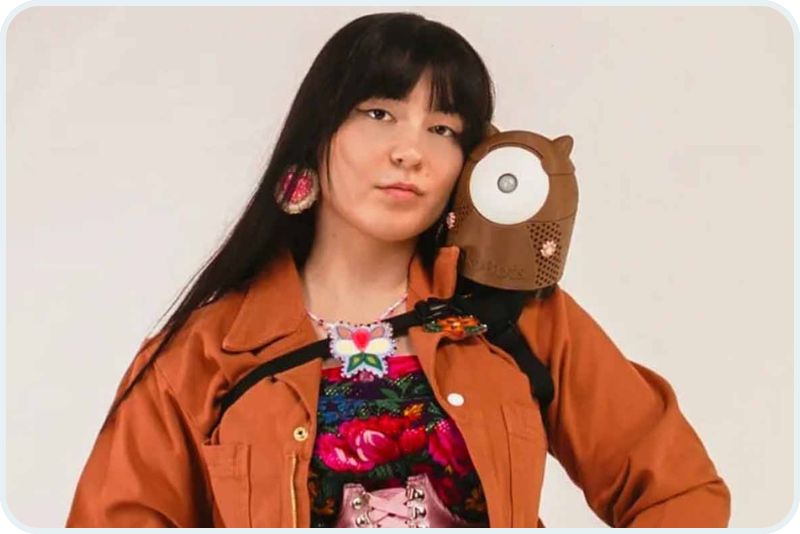 Courtesy of Danielle Boyer/The STEAM Connection
The correct answer is b) language.
A young inventor named Danielle Boyer saw that many Indigenous languages, including her own Ojibwe language, were being spoken less by young people. She wanted to make learning these languages easier and more engaging. Using her interest in robotics, she invented Skobot, a small robot that can translate English words into Indigenous languages. Kids can even build and decorate their own Skobot to make learning feel hands-on.
Read the Full Story : Robot Helps Save Dying Languages -
2. A Tiny Traveler
An artist built a small red house that is traveling all the way to the __________.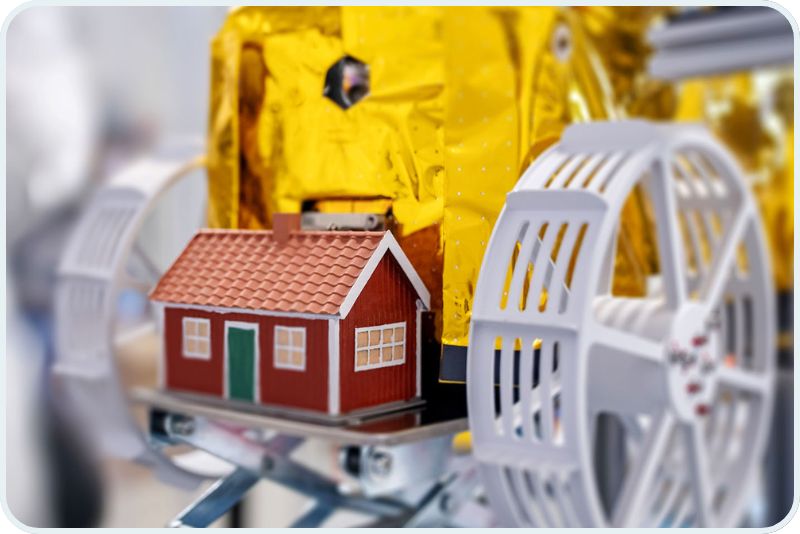 Courtesy of ispace, Inc.
The correct answer is a) Moon.
A Swedish artist built a tiny red house that is strong enough to travel all the way to the Moon. Even though it is only the size of a small toy, it is made of aluminum and has passed special tests to survive space travel. The house has already been to many unusual places, including the International Space Station. When it finally reaches the Moon, it may remain there for thousands—or even millions—of years.
Read the Full Story :The Moon House -
3. Grow-in-the-Dark Plants
Scientists are testing a method where plants can grow using __________ instead of sunlight.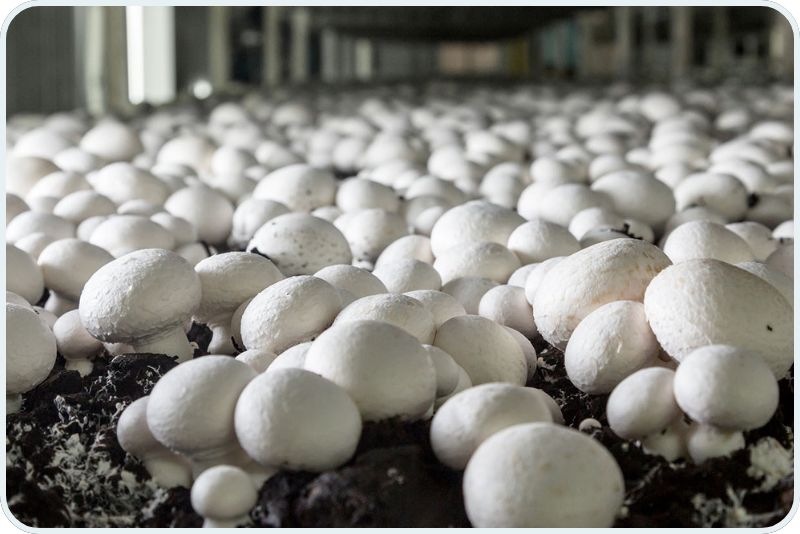 © VladimirGerasimov—iStock/Getty Images
The correct answer is a) electricity.
Most plants need sunlight to make their own food, but scientists are exploring a method that could let plants grow in the dark. This process, called electro-agriculture, uses electricity to turn gases into a special food source for plants. The electricity comes from solar panels that collect energy from the Sun. Scientists hope this idea will make it possible to grow food indoors, during climate challenges, or even someday in space.
Read the Full Story :Grow-In-The-Dark Plants -
4. Pieces of Ancient History
A fisherman and his son discovered wooden pieces that once belonged to an ancient __________.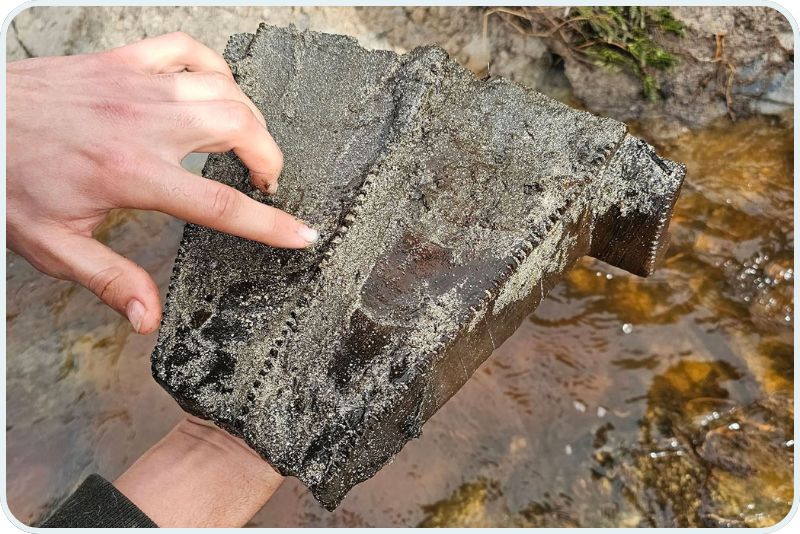 Courtesy of © Vincent Dix/Manatu Taonga Ministry for Culture and Heritage
The correct answer is c) canoe.
A fisherman and his son found wooden pieces that turned out to be parts of an ancient canoe called a waka. Long ago, people used waka to travel across the Pacific Ocean and reach new islands. Researchers later uncovered many more parts of the canoe. This discovery helps people today learn how early island communities lived and traveled.
Read the Full Story :Pieces of Ancient History -
5. A Creative Sound
An orchestra in Vienna, Austria, performs music using __________. © Patrick Bernard—AFP/Getty Images
The correct answer is a) vegetables.
The Vegetable Orchestra is a group of musicians who make instruments out of vegetables like carrots and leeks. They carve new instruments for every concert because vegetables get soft after only a few hours. Each vegetable sounds a little different, so the musicians never know exactly what their instruments will be like. The group has performed hundreds of concerts, showing people around the world that music can come from surprising places.
Read the Full Story : Playing with Food -
6. Dancing Through the Generations
Keiki hula helps keep traditional __________ dancing alive.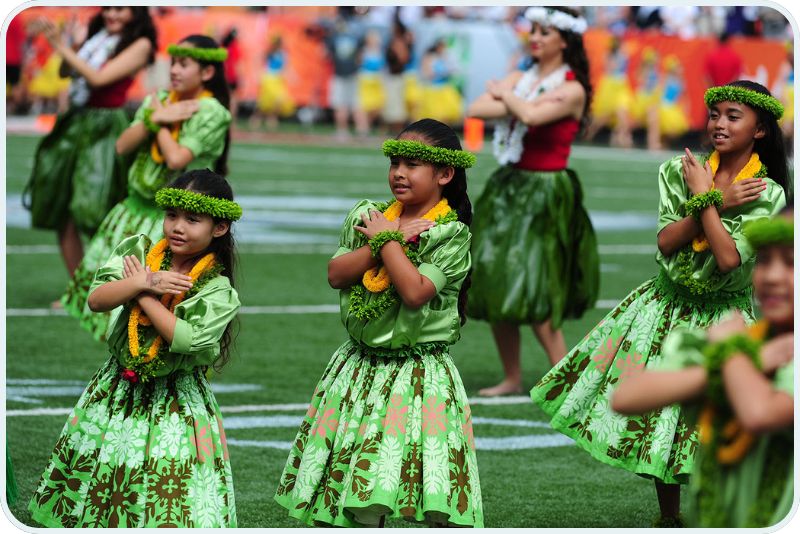 © Scott Cunningham/Getty Images
The correct answer is d) Hawaiian.
Long before Hawaii had a written language, people used hula dancing to share stories about their history, land, and gods. Today, children ages 6 to 12 learn these dances and perform in a special event called the Keiki Hula Competition. They learn songs and movements from trained teachers who help keep the tradition strong. By practicing hula, young dancers help carry an important part of Hawaiian culture into the future.
Read the Full Story : Keeping Traditions Alive -
7. A Colorful Kind of Care
People knit tiny sweaters to help prevent __________ from getting sick if there is an oil spill.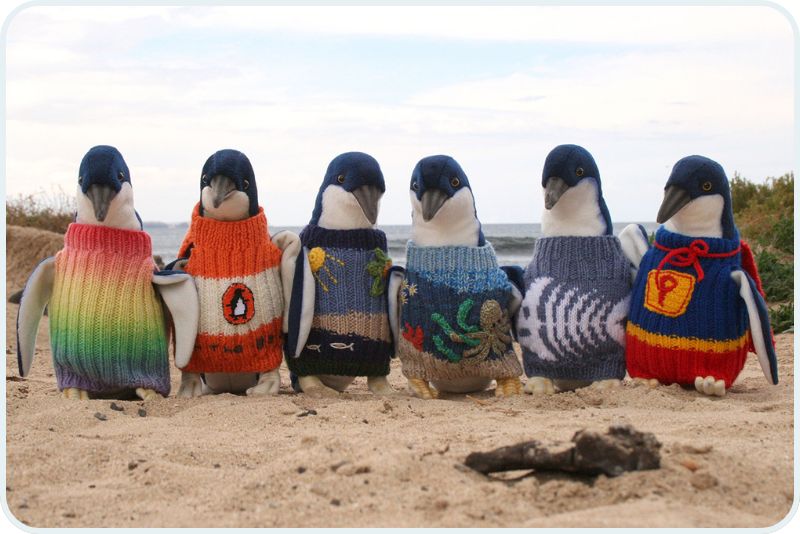 © PINP/AAT Kings/Spotlight/Rex Features/Shutterstock.com
The correct answer is c) penguins.
A group of women in England knit sweaters to help protect penguins after oil spills in the ocean. The sweaters keep penguins from getting sick by stopping them from swallowing oil when they clean their feathers. The women enjoy using their knitting skills to help animals in need. Their work supports the Penguin Foundation, which cares for thousands of penguins on Phillip Island.
Read the Full Story : Clean and Cozy Penguins -
8. Can Trees Sound the Alarm?
Scientists are studying the color of tree leaves to help predict when a __________ might erupt.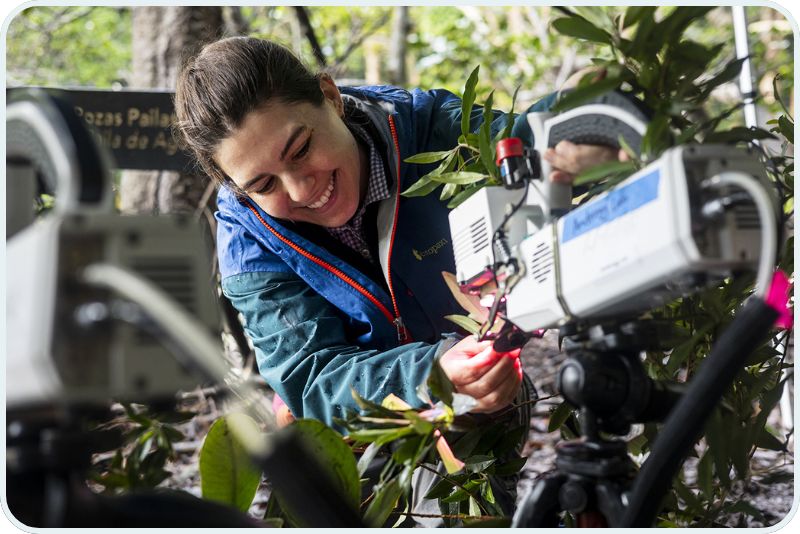 Alessandra Baltodano/Chapman University
The correct answer is a) volcano.
Scientists learned that trees can give clues about when a volcano might erupt. When a volcano releases extra carbon dioxide, nearby trees take it in, and their leaves often turn greener than usual. NASA can even spot these leaf-color changes from space using satellites. This method isn’t perfect, but it gives scientists another tool to help keep people safe.
Read the Full Story : Can Trees Sound the Alarm? -
9. A Dog’s Nose Knows
A dog named Maple uses her strong sense of smell to find __________ in beehives.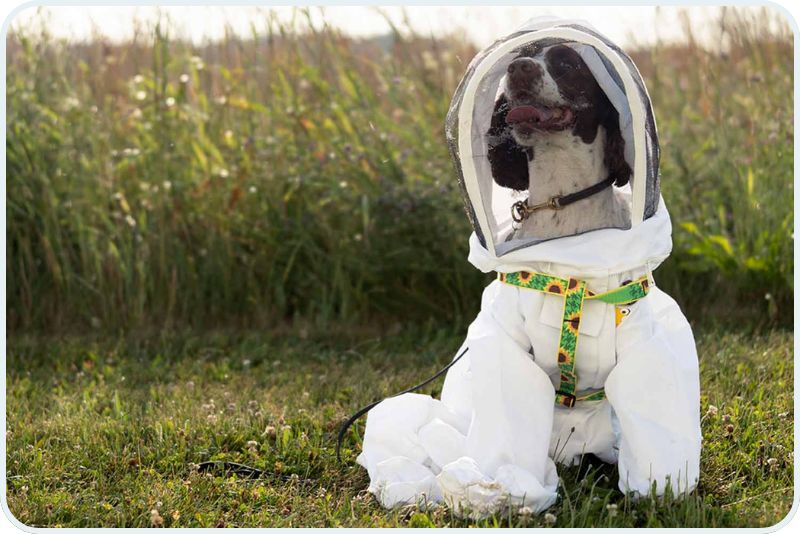 Courtesy of © Greg L. Kohuth/Michigan State University
The correct answer is d) diseases.
Maple is a trained dog who uses her powerful sense of smell to find a disease that can harm beehives. Bees are very important because they help many of our food crops grow, so keeping them healthy matters to everyone. Maple wears special protective gear as she checks each hive. Scientists hope that what they learn from training Maple can help other dogs protect bees too.
Read the Full Story : A Dog’s Nose Knows -
10. A Material with Potential
Scientists launched a satellite called LignoSat that is made mostly of __________.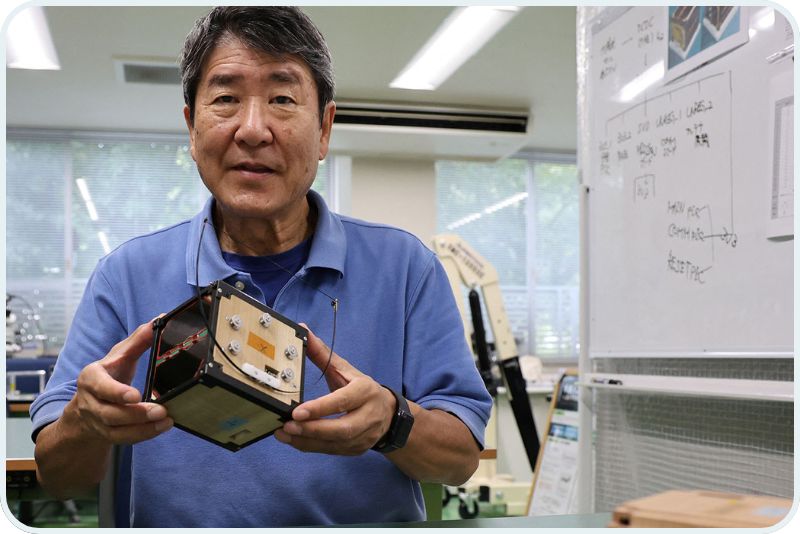 © Irene Wang/Reuters
The correct answer is b) wood.
Scientists launched a wooden satellite called LignoSat to find out how well wood can survive in space. In orbit, the tiny satellite faces bright sunlight, deep darkness, and very hot and cold temperatures. If the wood holds up, scientists think it could be used to build things on the Moon or Mars someday. Wood is also better for the environment than metal, which makes this experiment even more important.
Read the Full Story : Researches Launch a Wooden Satellite
How did you do?
You got 0 right! Great work!
Not Your Average News Site
In the News! articles are ad free, accessible, leveled for elementary readers, and thoroughly fact-checked. You won’t find misinformation here. Our editors select stories that go beyond everyday headlines and speak to students’ interests: uplifting stories about kids like them, exciting technology, and the science behind cute animals.
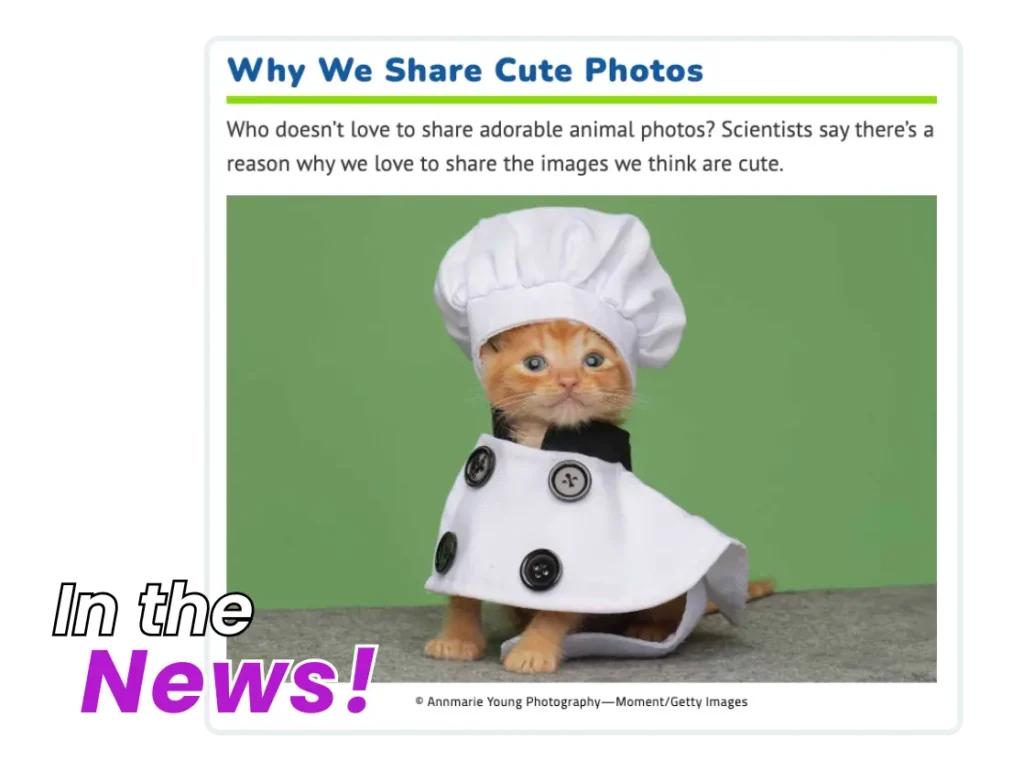
Not Just the News
What makes news engaging for young learners? Clear, readable articles, intriguing facts, and, of course, games! In the News! invites curious students to explore topics they care about and encourages them to keep reading and learning beyond headlines.
Word of the Day
A vocabulary word drawn from the featured news article, accompanied by a level-appropriate definition from Merriam-Webster, helps support language development.
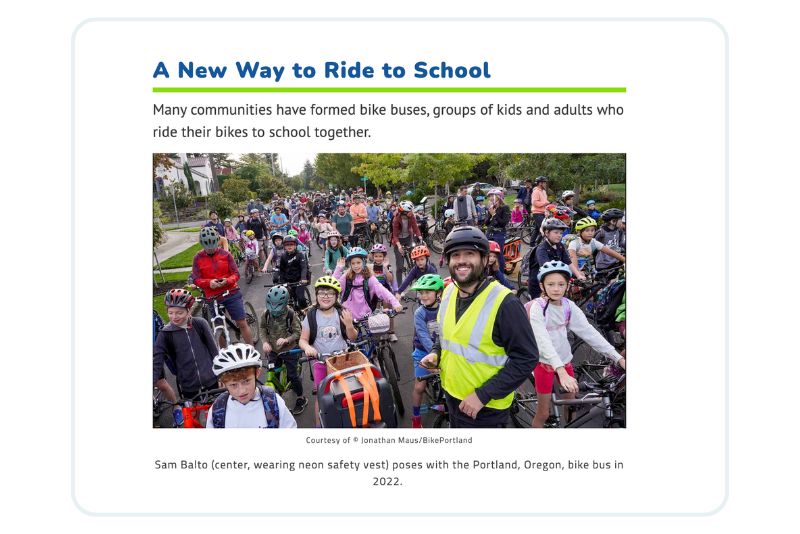
News Headline
Each focused article introduces learners to a timely topic. Articles are written at an age-appropriate reading level and support comprehension of significant events.
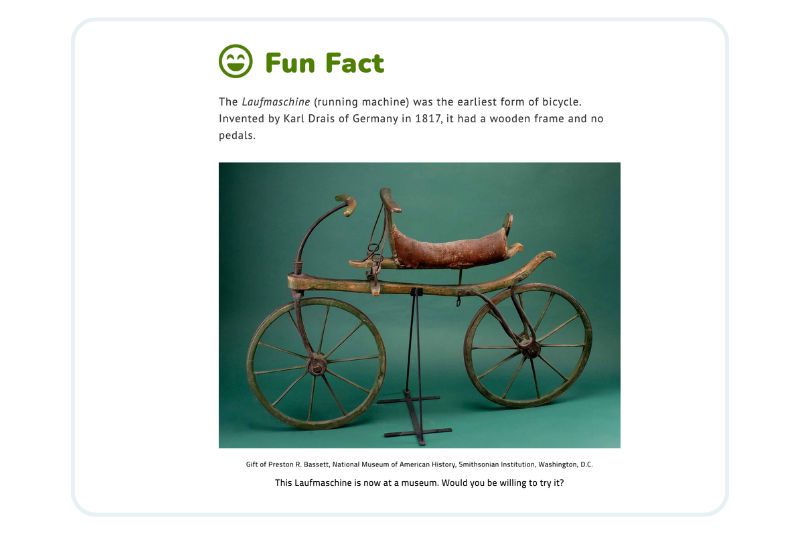
Learn Fun Facts
A brief fact connected to the main article helps learners build background knowledge. Links to related Britannica articles encourage further exploration.
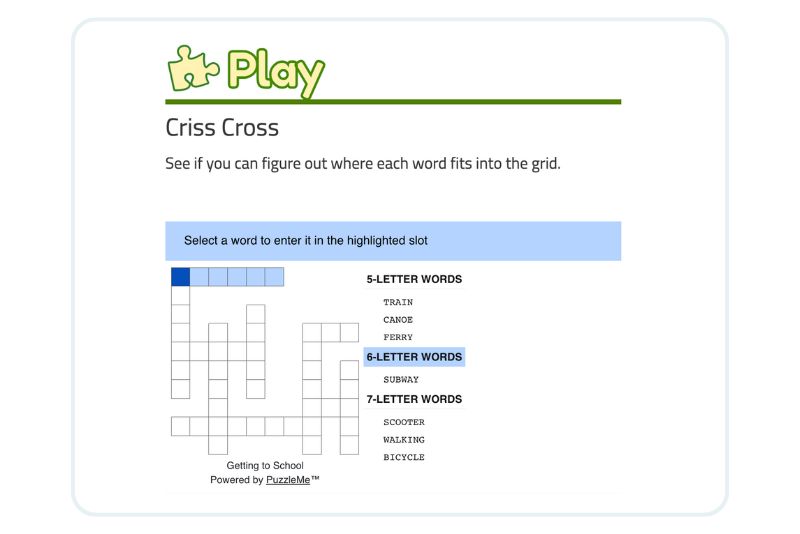
Play Word Games
Interactive activities—such as a word search or crossword puzzle—offer learners an opportunity to practice vocabulary and engage with the topic in a fun way.
A Springboard for Media Literacy
Spark curiosity and strengthen news and media literacy in your classroom with these Teach Britannica bell ringers that pair perfectly with Britannica: In the News!
Sequencing the News
Students practice sequencing the main events described in a news article.
Headlines Detectives
Students analyze headlines to predict the content of news stories.
Sketching the News
Students read a news article and then draw and label a main event to demonstrate their understanding.

Recent Blog Posts
Read, Play, Connect: Bringing Early Literacy to Life with Britannica
Read More: Read, Play, Connect: Bringing Early Literacy to Life with Britannica
6 Easy Ways to Gamify Britannica School
Read More: 6 Easy Ways to Gamify Britannica School
What Educators Really Think About AI: Insights from ISTE 2026
Read More: What Educators Really Think About AI: Insights from ISTE 2026
From 1776 to Today: The Big U.S. Timeline Quiz
Read More: From 1776 to Today: The Big U.S. Timeline Quiz
Using Britannica School and the World Cup to Score Big in the Classroom
Read More: Using Britannica School and the World Cup to Score Big in the Classroom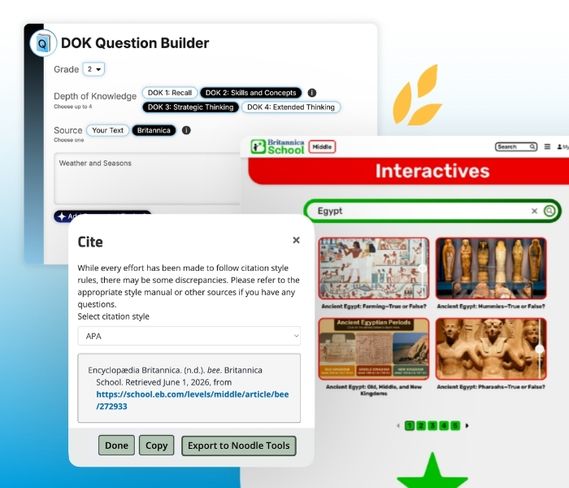
Teach Britannica, for Educators, with Love
Read More: Teach Britannica, for Educators, with Love
Summer Reading Ideas for Kids: Free Activities & Book List
Read More: Summer Reading Ideas for Kids: Free Activities & Book List
Practical Jokes or Practical Adaptations: Can You Find These Critters?
Read More: Practical Jokes or Practical Adaptations: Can You Find These Critters?
Join Our Newsletter
From tips and tricks to engaging activities, find
attention-grabbing content for tomorrow’s lesson.