



Table Of Contents




Why were fuzzy mice, new social media laws in Australia, and canyons on the Moon making headlines in In the News! this year? Take our middle school news quiz to test your knowledge of Britannica’s In the News! articles from 2025.
Test Your Knowledge!
-
1. The Lonely Sunfish
An aquarium sunfish began refusing food until caretakers realized it missed seeing __________.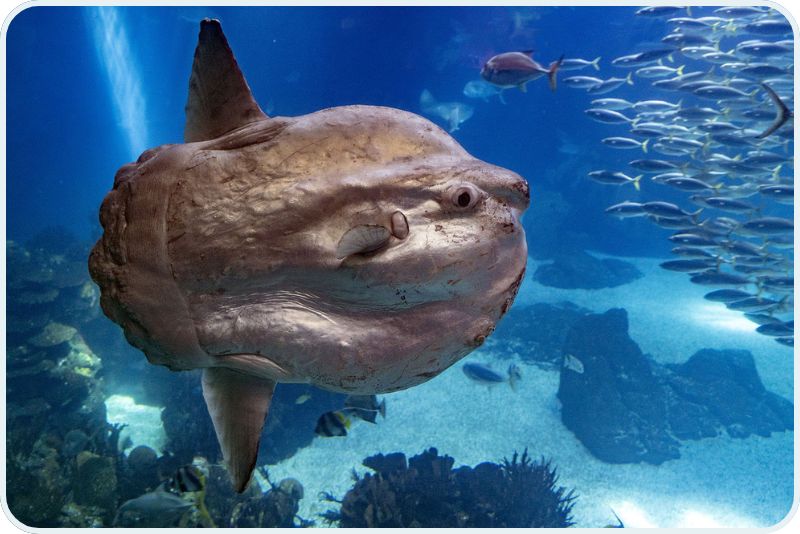 © Andrea Izzotti/stock.adobe.com
The correct answer is c) human visitors.
At an aquarium in Japan, a sunfish suddenly stopped eating when the facility closed for renovations and no visitors were around. Even though sunfish usually live alone in the wild, this one had grown used to watching people through the glass and seemed curious about them. Caretakers tried several solutions, but nothing helped until they placed human-shaped cutouts dressed in staff uniforms near the tank. The sunfish began eating again the very next day. Aquarium staff hope that when the building reopens, real visitors will give the sunfish the attention it seems to enjoy.
Get the Full Story : The Lonely Sunfish -
2. The Moon’s Grand Canyons
Scientists discovered that two canyons on the far side of the Moon formed in only about __________.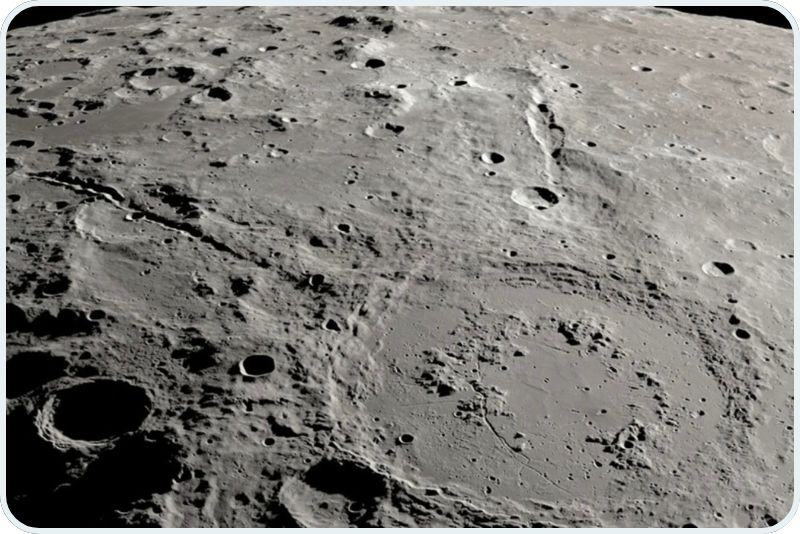 Ernest T. Wright/NASA/SVS
The correct answer is a) 10 minutes.
Scientists have discovered that two long, narrow canyons on the far side of the Moon formed in about 10 minutes. About 3.8 billion years ago, a large asteroid or comet struck the Moon, creating a massive crater and sending rocks flying through space. As the rocky debris fell back down at high speeds, clusters of impacts lined up to carve out the two canyons we see today. Although smaller than the Grand Canyon on Earth, these lunar canyons are still huge, stretching more than 160 miles each. Because they are on the far side of the Moon, we can’t see them from Earth, but other canyons created by similar impacts are visible on clear nights.
Get the Full Story : The Moon’s Grand Canyons -
3. Tracking Bees’ Trips
To track individual bees, scientists attached tiny __________ to their backs.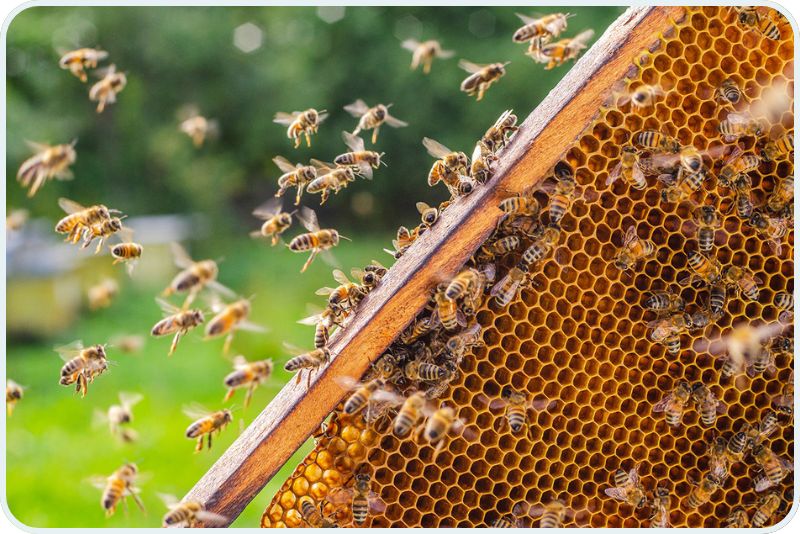 © Darios/stock.adobe.com
The correct answer is c) QR codes.
Scientists placed tiny QR codes on more than 32,000 honeybees to learn how far and how often they travel from the hive. By scanning each code as a bee left and returned, researchers discovered that most bees make very quick trips, usually only about five minutes long. This suggests bees may not fly as far as previously believed, which could affect rules about where beekeepers can place organic hives. Scientists also plan to compare this tracking data with bees’ waggle dances to understand even more about how they share information within the hive.
Get the Full Story : Tracking Bees’ Trips -
4. Dancing Sea Turtles
Researchers found that loggerhead sea turtles sometimes “dance” when they are expecting __________.
The correct answer is b) food.
Scientists discovered that young loggerhead sea turtles perform a “dance,” spinning, flapping their fins, and lifting their heads when they expect to be fed. In a study, researchers used controlled magnetic fields to mimic the locations where turtles find food in the wild. When certain magnetic signatures appeared, the turtles remembered that food usually followed and danced in anticipation, even when no food was given. This behavior shows that loggerhead turtles use Earth’s magnetic field as a kind of memory map to return to important feeding spots, although scientists still don’t know exactly how turtles sense magnetic signals.
Get the Full Story : Dancing Sea Turtles -
5. The Hidden Tale of King Arthur
At Cambridge University, researchers discovered a rare King Arthur story hidden inside the __________ of another book.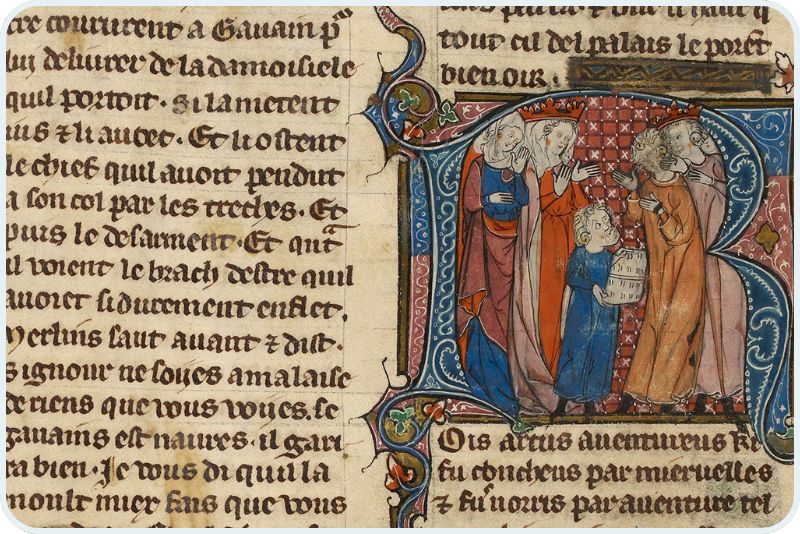 © Album—British Library/Alamy
The correct answer is d) binding.
Archivists at Cambridge University Library made a surprising discovery when they found a rare 700-year-old King Arthur manuscript hidden inside the cover of a completely different book. The pages belonged to a medieval story called Suite Vulgate du Merlin, which describes Arthur’s early reign, his bond with Merlin, and the beginnings of the Knights of the Round Table. The manuscript was reused as a book cover in the 1500s, long after it was written, and remained unnoticed for centuries. Specialists are now carefully photographing and studying the pages, hoping this find will lead to more hidden historical treasures in the library.
Get the Full Story : The Hidden Tale of King Arthur -
6. Kid of the Year
Tejasvi Manoj was named Time’s Kid of the Year for teaching seniors how to stay safe from __________. © Photograph by Zerb Mellish for TIME
The correct answer is a) online scams.
After her grandfather was nearly tricked by an online scam, teenager Tejasvi Manoj realized how easily older adults can be targeted by cybercriminals. She created a website called Shield Seniors to help people over 60 recognize scam messages and stay safe online. Her project quickly gained attention for supporting a group that often faces high risks from cybercrime, earning her the title of Time magazine’s 2025 Kid of the Year. Manoj now leads workshops and gathers feedback from seniors to make her resource even more effective, all while continuing to develop her skills in coding and cybersecurity.
Get the Full Story : Helping Seniors Fight Cybercrime -
7. Scientists Create Woolly Mice
Scientists created woolly mice as part of an effort to study and someday revive the extinct __________.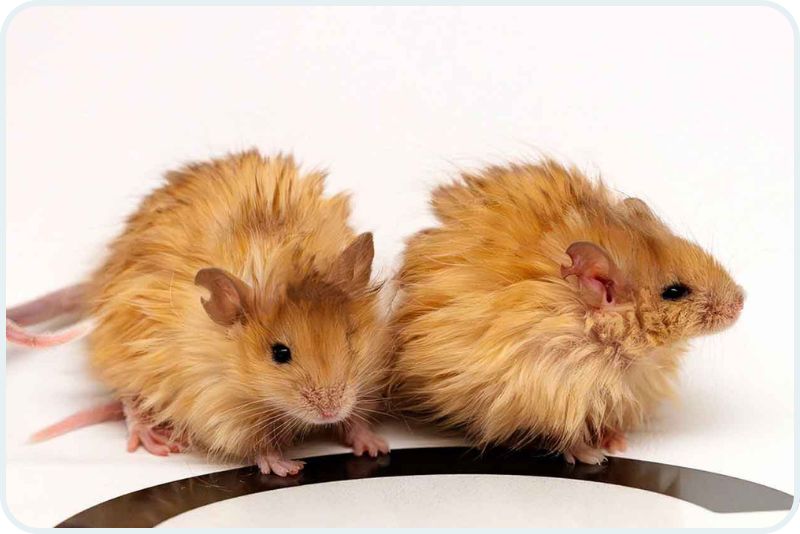 Courtesy of Colossal Biosciences
The correct answer is c) woolly mammoth.
Researchers at Colossal Biosciences created “woolly mice” by altering their genes to give them the same shaggy coat found on woolly mammoths. Scientists used genetic information from frozen mammoth remains to identify the traits responsible for the animals’ thick fur, then applied those changes to mice as a first step in studying de-extinction. The long-term hope is to one day modify the DNA of Asian elephants, the mammoth’s closest living relatives, to produce an animal with mammoth-like features. But some experts say that even with advanced genetic tools, scientists may only be able to create look-alikes, not true mammoths.
Get the Full Story : Scientists Create Woolly Mice -
8. Call in the Cavalry!
A teenager from South Africa is gaining attention for competing internationally in the sport of __________.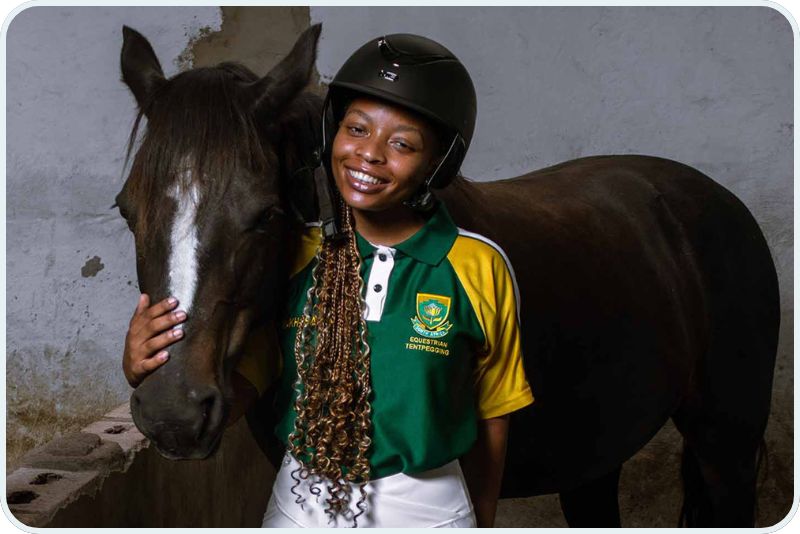 © Courtesy of Thobela K Khumalo/South Africa Tentpegging Championship
The correct answer is b) tent pegging.
Makhosazana “Khosi” Dlomo is helping bring attention to the little-known sport of tent pegging, a horseback event based on the riding and spear-handling skills once used by cavalry soldiers. In tent pegging, riders gallop past targets and use a spear or sword to hit them with speed and accuracy, which requires strong trust and teamwork between horse and rider. Although the sport is popular in parts of Asia and the Middle East, Dlomo is the only Black woman registered in the sport in sub-Saharan Africa. She hopes her success in international competitions—and possibly someday at the Olympics—will inspire more people to discover and participate in tent pegging.
Get the Full Story : Call in the Cavalry! -
9. Logged Out
A new law in Australia focuses on restricting how young people under age 16 use __________. © InsideCreativeHouse/stock.adobe.com
The correct answer is c) social media platforms.
Australia has passed a law that will ban social media use for anyone under age 16, requiring platforms like TikTok, Instagram, and YouTube to deactivate young users’ accounts on December 10, 2025. The government says the policy is meant to protect children and teens from online risks such as cyberbullying and negative impacts on mental health. Supporters point to new research showing that early social media use can affect reading, memory, and brain development. However, some young Australians argue the ban will limit opportunities to start businesses or share creative work, and others say social media can provide community and mental health support.
Get the Full Story : Logged Out -
10. Rats!
Researchers hope that trained rats will make it faster and easier to detect certain kinds of __________.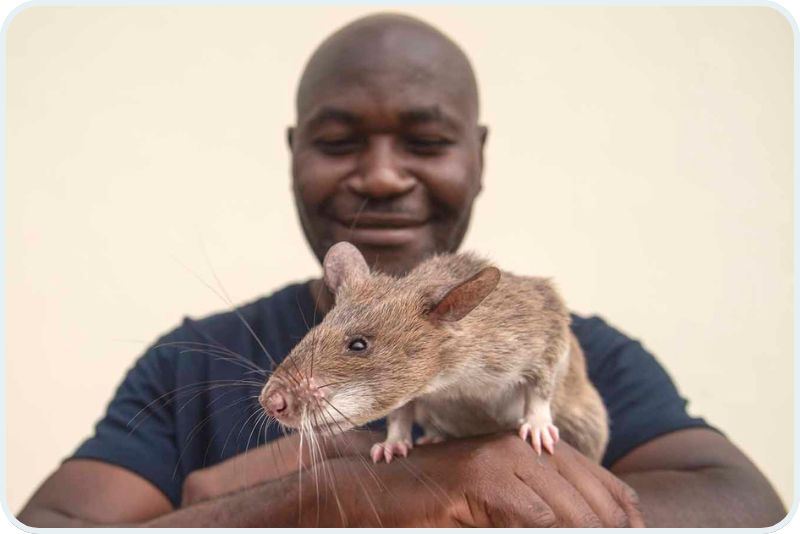 Courtesy of APOPO
The correct answer is d) illnesses.
In East Africa, specially trained African giant pouched rats—called HeroRATs—are helping scientists detect tuberculosis, a dangerous disease that affects the lungs. These rats have an excellent sense of smell, allowing them to identify TB in patient samples even when the amount of bacteria is too small for standard lab tests to detect. Their work has greatly improved TB detection in places like Tanzania and Mozambique, helping thousands of people receive treatment in time to prevent the disease from spreading. While HeroRATs won’t replace traditional testing, they are proving to be a valuable tool in the fight against a deadly infection.
Get the Full Story : Rats!
How did you do?
You got 0 right! Nice!
Not Your Average News Site
In the News! articles are ad free, accessible, written for middle school readers, and carefully fact-checked. You won’t find misinformation here. Our editors choose stories that go beyond the usual headlines and spark students’ curiosity, including inspiring pieces about kids their age, interesting breakthroughs in technology, and the latest from the animal kingdom.
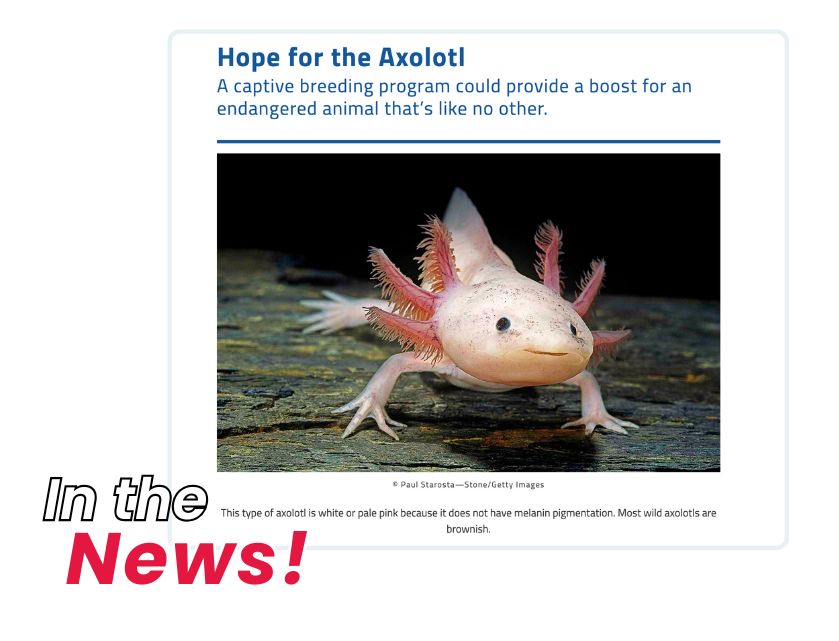
Not Just the News
What makes news interesting for middle school learners? Articles that are easy to follow, surprising facts that spark curiosity, and interactive activities that make exploring a topic fun. In the News! encourages students to dive deeper into the stories they care about and helps them build the skills to read, question, and understand the world beyond the headlines.
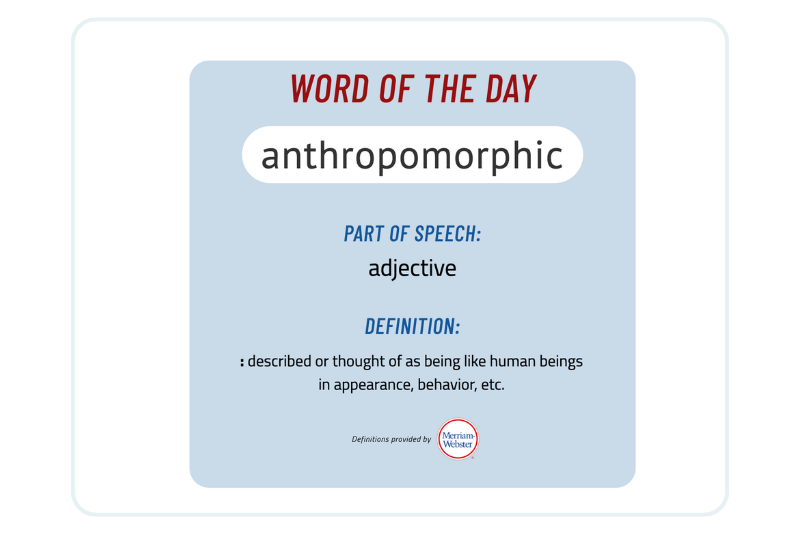
Word of the Day
A vocabulary word drawn from the featured news article, accompanied by a level-appropriate definition from Merriam-Webster, helps support language development.
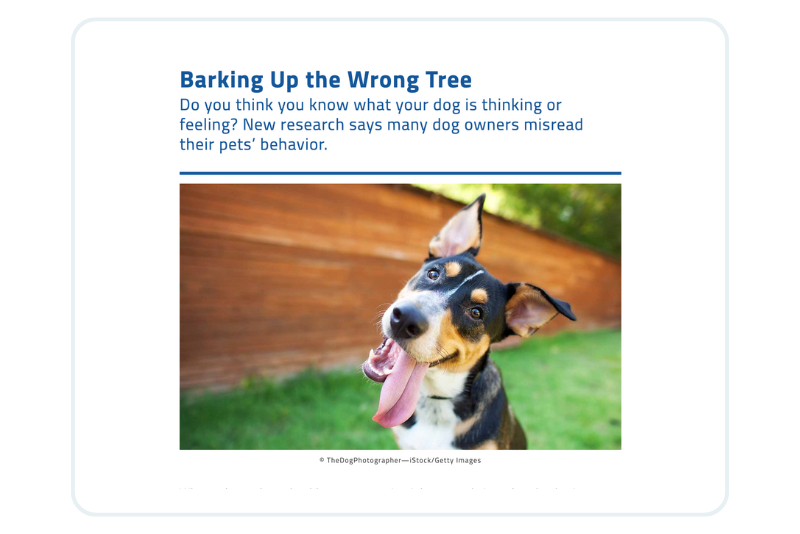
News Headline
Each focused article introduces learners to a timely topic. Articles are written at an age-appropriate reading level and support comprehension of significant events.

Did You Know?
A brief fact connected to the main article helps learners build background knowledge. Links to related Britannica articles encourage further exploration.
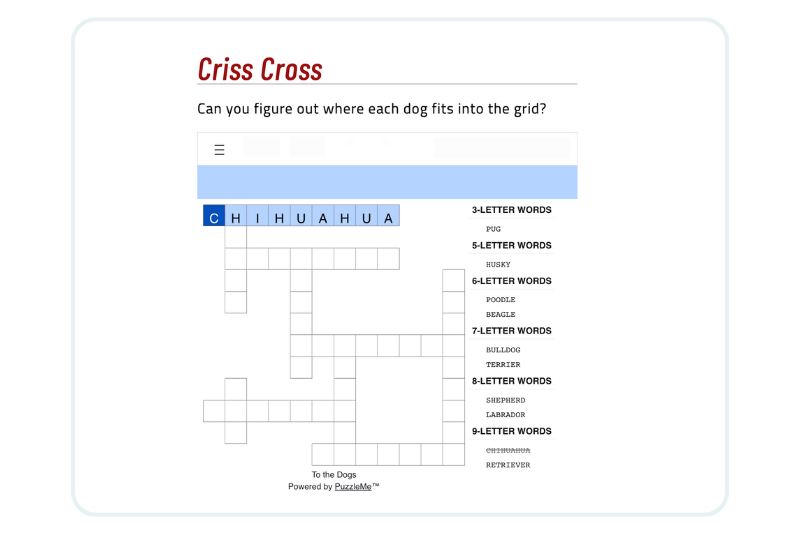
Word Games
Interactive activities—such as a word search or crossword puzzle—offer learners an opportunity to practice vocabulary and engage with the topic in a fun way.
A Springboard for Media Literacy
Spark curiosity and strengthen news and media literacy in your classroom with these Teach Britannica bell ringers that pair perfectly with Britannica: In the News!
Sequencing the News
Students practice sequencing the main events described in a news article.
Headlines Detectives
Students analyze headlines to predict the content of news stories.
Sketching the News
Students read a news article and then draw and label a main event to demonstrate their understanding.
Britannica In the News! is accessible directly from Britannica School and Britannica Library. Want to learn more? Contact us.

About the Author
Kristie Bangali
Curriculum & Instruction Learning Specialist
Kristie, a Curriculum Learning Specialist at Britannica Education, has over 20 years of experience in pedagogy and curriculum development. She specializes in aligning educational content with academic standards and adapting to diverse student needs. Kristie’s proficiency with digital learning platforms was pivotal during the Covid-19 pandemic, earning her the 2020 LHRIC TELL Award and 2021 Teacher of the Year. She authored a chapter in “Gamify Literacy: Boost Collaboration and Learning,” published by the International Society for Technology in Education (ISTE), showcasing her innovative approach in education. Her impact extends beyond direct teaching, influencing the broader educational landscape.

Ready for Another Quiz?
Women’s History Quiz: Do You Know These Famous Ladies?
Read More: Women’s History Quiz: Do You Know These Famous Ladies?
Olympic History Quiz: Go for Gold 🥇
Read More: Olympic History Quiz: Go for Gold 🥇
News Quiz for Elementary Students: 2025
Read More: News Quiz for Elementary Students: 2025
Join Our Newsletter
From tips and tricks to engaging activities, find
attention-grabbing content for tomorrow’s lesson.