


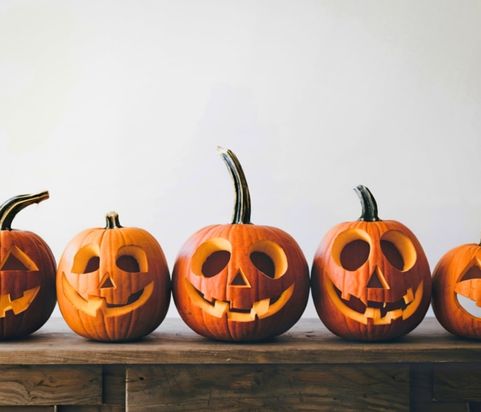



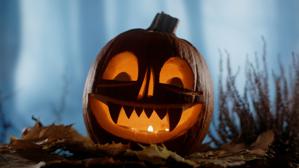
It’s the time of year where children and adults alike dig out their scoopers, sharpen their tools, and find the best, most interesting pumpkins out there! This annual custom of getting your hands dirty and putting your imagination to work is unmatched. Whether you carve a traditionally spooky face or something more intricate in your hollowed-out gourd, who doesn’t love adding some flickering, candlelit flair to a front porch?
Pumpkin carving is a beloved tradition, but how much do you and your students know about where that tradition comes from?
Test your knowledge with our fun Halloween-themed quiz. And, explore Britannica School’s resources to learn more (if you dare!).
Test Your Knowledge!
-
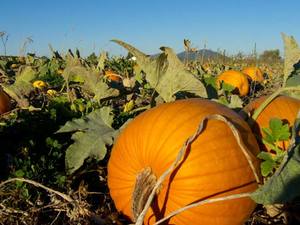
1. How big does the largest pumpkin variety, C. maxima, usually get?
The largest pumpkin variety, C. maxima, can reach 34 kg (75 pounds) or more. -
2. What vegetable was originally used in jack-o’-lanterns instead of a pumpkin?
The custom of creating jack-o’-lanterns originated in the British Isles using a large turnip or other vegetable rather than a pumpkin. -
3. Which mythical Irish figure may jack-o’-lanterns have been originally intended to scare away?
In Ireland, people may have started to carve demonic faces out of turnips to frighten away the wandering soul of Stingy Jack, an alleged trickster figure. -
4. How heavy have the most massive pumpkins ever weighed?
The most massive pumpkins ever have weighed upwards of 907 kg (2,000 pounds). -
5. Where did the custom of carving jack-o’-lanterns come from?
The custom of creating jack-o’-lanterns originated in the British Isles.
How did you stack up?
You correctly identified 0/0 answers.Learn more about pumpkins and Halloween lore using Britannica School!
Not a subscriber? Contact us to learn more about our comprehensive resources.

Recent Blog Posts
From 1776 to Today: The Big U.S. Timeline Quiz
Read More: From 1776 to Today: The Big U.S. Timeline Quiz
Using Britannica School and the World Cup to Score Big in the Classroom
Read More: Using Britannica School and the World Cup to Score Big in the Classroom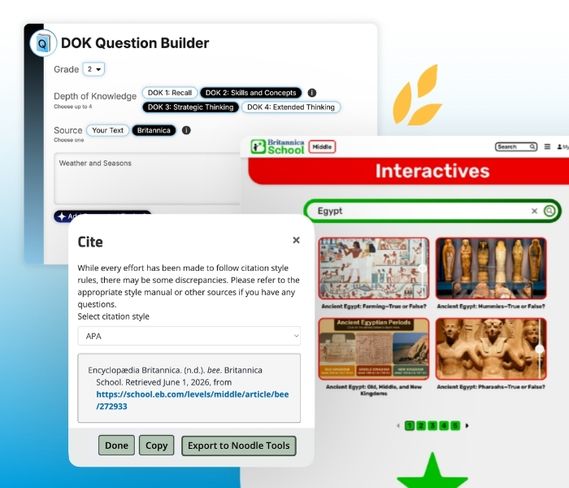
Teach Britannica, for Educators, with Love
Read More: Teach Britannica, for Educators, with Love
Summer Reading Ideas for Kids: Free Activities & Book List
Read More: Summer Reading Ideas for Kids: Free Activities & Book List
Practical Jokes or Practical Adaptations: Can You Find These Critters?
Read More: Practical Jokes or Practical Adaptations: Can You Find These Critters?

How Deep Are Your Roots? An Earth Day Curiosity Quiz
Read More: How Deep Are Your Roots? An Earth Day Curiosity Quiz
If We Can’t Trust What We Read, What Does That Mean for AI in Schools?
Read More: If We Can’t Trust What We Read, What Does That Mean for AI in Schools?
Join Our Newsletter
From tips and tricks to engaging activities, find
attention-grabbing content for tomorrow’s lesson.