


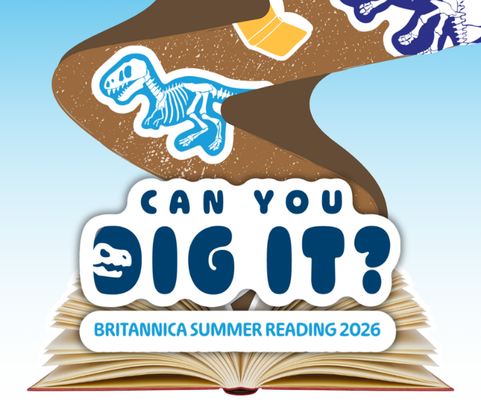


Summer break brings a welcome change of pace—and summer reading programs! Britannica Education’s 2026 Can You Dig It? digital kit of dinosaur- and paleontology-themed book suggestions and activities enhances the real learning of summer reading programs.
The kit is loaded with printable activities and a curated book list of 60 titles for school-age readers, recommended by educators and librarians from across the United States. (Plus, 18 titles are dinosaur related!)
Whether families are participating in your summer programming from home or in person, feel free to use the Can You Dig It? kit and the ideas below to spark curiosity, encourage participation, and make summer reading feel like an adventure kids don’t want to miss.
🦖 Set a Purpose for Screen Time
Let’s face it—screens are part of everyday life, especially during summer break. The key is making that time count. For Britannica School and Britannica Library subscribers, this kit’s book list includes age-appropriate article links relevant to each book, helping transform summer screen time into something intentional and enriching. Instead of passive scrolling or gaming, readers can explore stories, learn new concepts, and engage with a book’s themes. Devices become tools for discovery and imagination, after all!
📚 Host a Bingo Book Club
Turn reading into a shared adventure by starting a mini book club and having readers try to win a summer reading bingo using the card included in the kit. Gather a small group at the library or encourage siblings, cousins, or neighborhood friends to participate at home. Set a relaxed reading schedule, and then bring the group together to talk about favorite plotlines, surprising facts, and even the coolest dinosaurs. Who gets bingo first? It’s a great way to build social skills and excitement for reading.
🔡 Build a Dino Vocabulary Wall
Dinosaurs come with some seriously cool vocabulary! Start with the kit’s leveled vocab lists and word search activity, and then encourage kids to collect interesting paleontology words as they read. Create a “Dino Vocabulary Wall” at the library or at home using sticky notes, a poster board, or even a digital document. Adding to the list over the summer not only builds language skills but also gives kids a sense of accomplishment.
👨👩👧 Celebrate a Family Read-Aloud Night
Bring the community together for a themed family night centered around reading. Pick a book from the list and make the evening an event—think dino-shaped snacks, fun dinosaur facts, table activities and coloring sheets, and a cozy storytime. Encourage families to bring dino stuffies and wear their PJs! After reading the story, talk about its themes or ask kids what they learned. At the end of the night, award all attendees the title of Certified Chomp-ions using printouts of the certificate in the kit. These moments turn reading into a shared experience and create lasting summer memories.
📸 Share Your Dino Summer
Enhance the experience by connecting online. Encourage families to share photos of how their kids are using the digital kit—reading, assembling their dino puzzles, and showing off their vocabulary wall. Create or use a branded hashtag to collect and celebrate these moments online. It builds a sense of community, inspires other families, and adds extra excitement for readers who love seeing their work shared.
🦕 Explore Teach Britannica’s Lesson Minis
Visit Teach Britannica for even more fossil-tastic ideas! This resource hub built by Britannica’s education experts contains a plethora of open-access resources, including these three themed lesson minis, as well as even more printable worksheets and helpful differentiation tips:
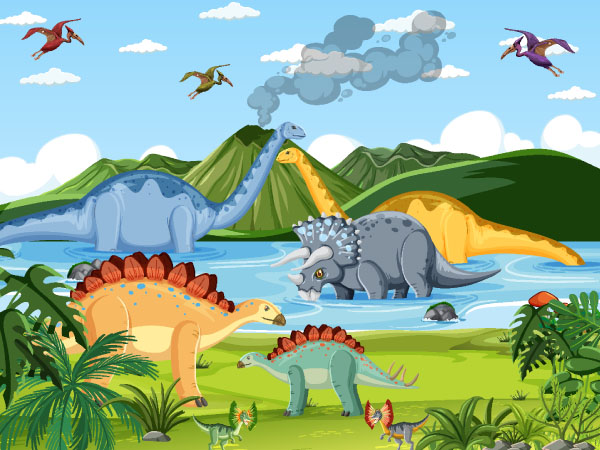
Discovering Dinosaurs and Paleontology
Grades K–2
Explore dinosaur traits and how paleontologists study fossils to compare species and infer how dinosaurs looked, lived, and ate millions of years ago.
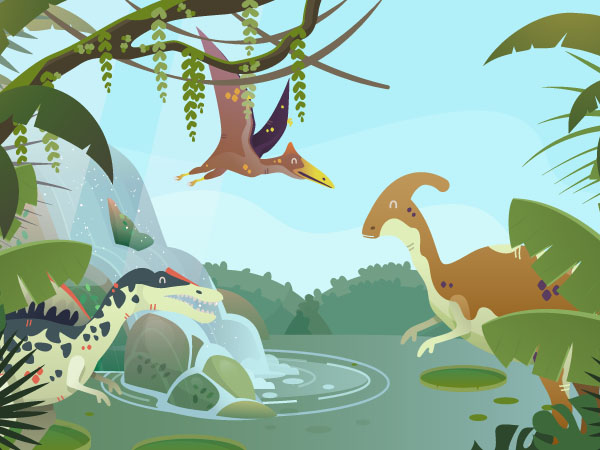
Dinosaur Exploration and Classification
Grades 3-5
Investigate and classify dinosaur species and use readings and collaborative tasks to compare dinosaurs and explain how their features and behaviors shaped how they lived.
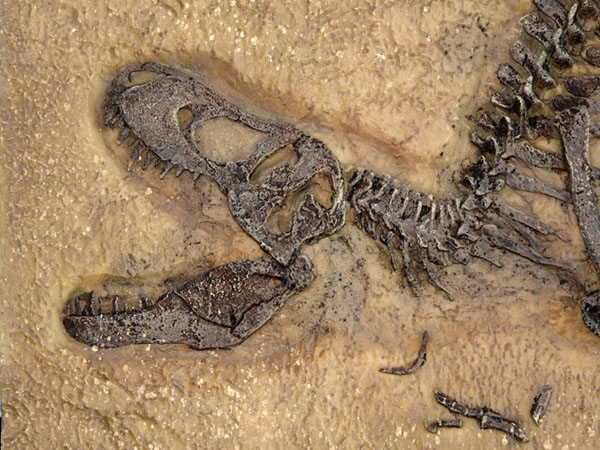
Patterns in the Past: Fossils and Evolution
Grades 6-8
Explore fossils, dinosaur traits, and dinosaurs’ similarities to birds to understand evolution using collaborative activities to develop evidence-based explanations about natural selection and extinction.
Make this summer unforgettable—one page at a time.
Whether kids, teens, or anyone in between are discovering dinosaur adventures, unearthing new vocabulary, or digging into some hands-on fun, this collection of materials extends moments of reading into meaningful learning opportunities.

Recent Blog Posts

Beyond the Answer: A More Thoughtful Approach to AI-Powered Research
Read More: Beyond the Answer: A More Thoughtful Approach to AI-Powered Research
AI Can Find an Answer, BUT Can Students Verify It?
Read More: AI Can Find an Answer, BUT Can Students Verify It?
Read, Play, Connect: Bringing Early Literacy to Life with Britannica
Read More: Read, Play, Connect: Bringing Early Literacy to Life with Britannica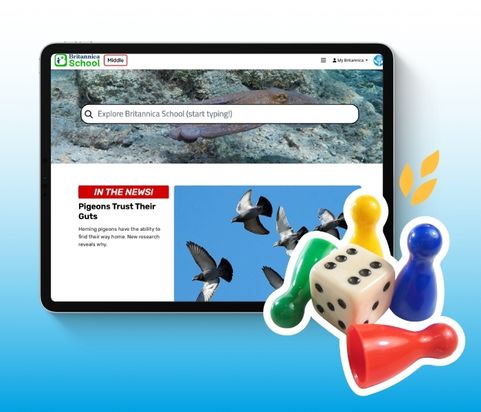
6 Easy Ways to Gamify Britannica School
Read More: 6 Easy Ways to Gamify Britannica School
What Educators Really Think About AI: Insights from ISTE 2026
Read More: What Educators Really Think About AI: Insights from ISTE 2026
From 1776 to Today: The Big U.S. Timeline Quiz
Read More: From 1776 to Today: The Big U.S. Timeline Quiz
Using Britannica School and the World Cup to Score Big in the Classroom
Read More: Using Britannica School and the World Cup to Score Big in the Classroom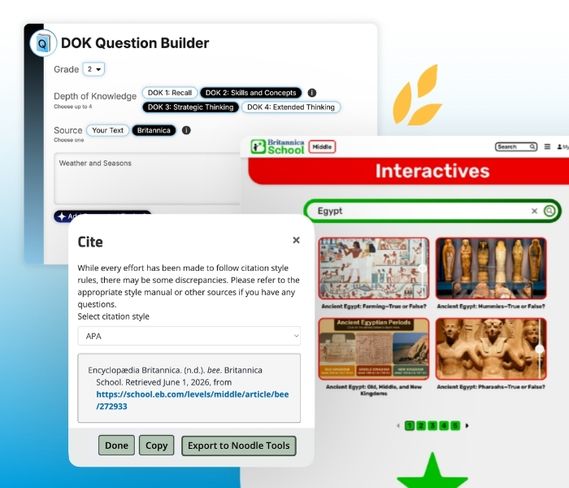
Teach Britannica, for Educators, with Love
Read More: Teach Britannica, for Educators, with Love
Join Our Newsletter
From tips and tricks to engaging activities, find
attention-grabbing content for tomorrow’s lesson.