Yadavindra Public School, Patiala partnered with Britannica to turn its vision of research-driven, interdisciplinary learning into everyday classroom practice. By adopting Britannica School and Britannica Library as one integrated ecosystem, backed by customized teacher training and Project-Based Learning, the school built a culture where actively seek knowledge rather than wait to be taught.
🔍 Research as a Daily Habit: Britannica School became the school’s most actively used resource, with 17,545 searches and 3,006 documents accessed in September alone.
🌎 Interdisciplinary Learning: Students explored concepts across Science, History, and the wider world, connecting subjects instead of studying them in silos.
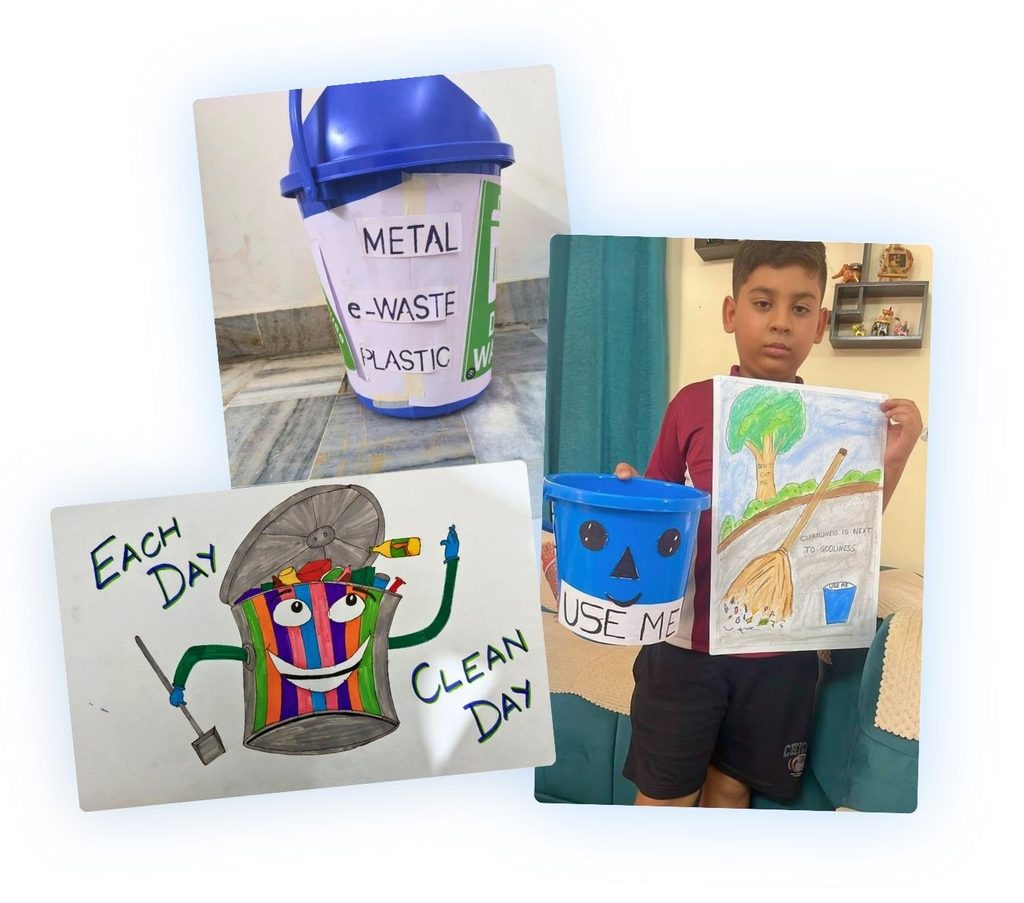
♻️ Real-World Projects: Through Project-Based Learning, students designed prototypes and campaigns on cleanliness, sustainability, and the 3Rs — Reduce, Reuse, Recycle.
👩🏫 Empowered Educators: Custom training sessions and Britannica’s Project-Based Learning Modules helped teachers move confidently beyond the textbook and spark higher-order thinking.
“The mind is not a vessel to be filled, but a fire to be kindled.”
Plutarch
One Spark Can Ignite a Revolution
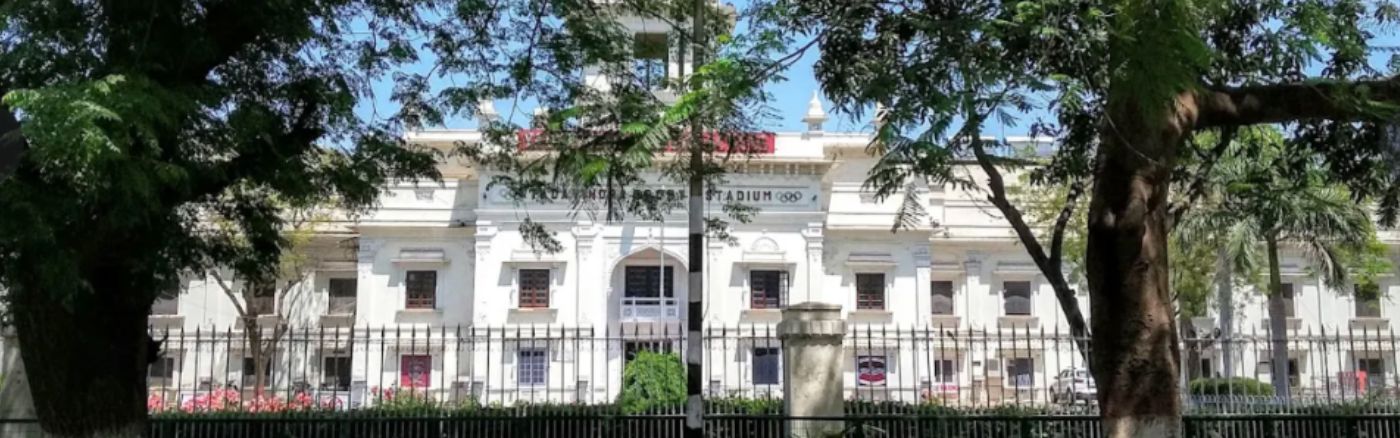
Founded on February 2, 1948, by His Highness Maharajadhiraj Yadavindra Singh of Patiala, Yadavindra Public School (YPS), Patiala, was established with a vision of making quality education accessible to students regardless of background. Inspired by the educational traditions of Aitchison College, Lahore, the school began with just 21 students and nine teachers, laying the foundation for an institution dedicated to academic excellence, character development, and holistic learning.
Over the decades, YPS Patiala has evolved into one of India’s leading co-educational boarding and day schools, combining its rich heritage with a forward-looking approach to education. Guided by a commitment to intellectual curiosity, independent thinking, and personal growth, the school continues to nurture well-rounded learners through academic rigour, meaningful learning experiences, and opportunities beyond the classroom. Its enduring philosophy reflects a belief that education should not only build knowledge but also develop the confidence, character, and skills students need to thrive in an ever-changing world.
At the heart of its educational transformation stood an unwavering vision: to nurture young minds into critical thinkers, passionate researchers, and lifelong learners. But like every powerful vision, it needed wings — someone to breathe life into the words etched on paper.
The Awakening
When we first engaged with YPS Patiala, we sensed something rare: a deep-rooted commitment to go beyond the textbook. Yet the gap between aspiration and implementation loomed large. Teachers were passionate but needed tools; students were curious but needed direction.
We began with a core strategy meeting, aligning our approach with the YPS philosophy. From that moment, we were not just service providers — we were co-dreamers.
Children do not learn in silos. For them, knowledge is not compartmentalized into subjects like Science, History, or Mathematics. Today, interdisciplinary learning is not just a pedagogical choice — it is a necessity. In building collaboration skills through interdisciplinary projects, I firmly believe that the Britannica Digital Platform can be immensely beneficial. Its ability to map concepts in an interdisciplinary format, along with its vast repository of curated content, offers students and teachers an ideal environment for collaborative exploration and research.
Mr. Navin Kumar Dixit Headmaster, Yadavindra Public School, Patiala
Strategic Adoption
YPS chose to use the full spectrum of Britannica’s offerings—not as isolated tools, but as an integrated ecosystem:
Britannica School To make classrooms more engaging and lesson delivery more dynamic, with multimedia, interactive maps, and leveled content.
Britannica Library To build research skills and foster independent learning habits in students of all ages.
By aligning each solution to a clear educational outcome, YPS maximized the impact of every resource.
Building the Foundation
Multiple Training Interventions
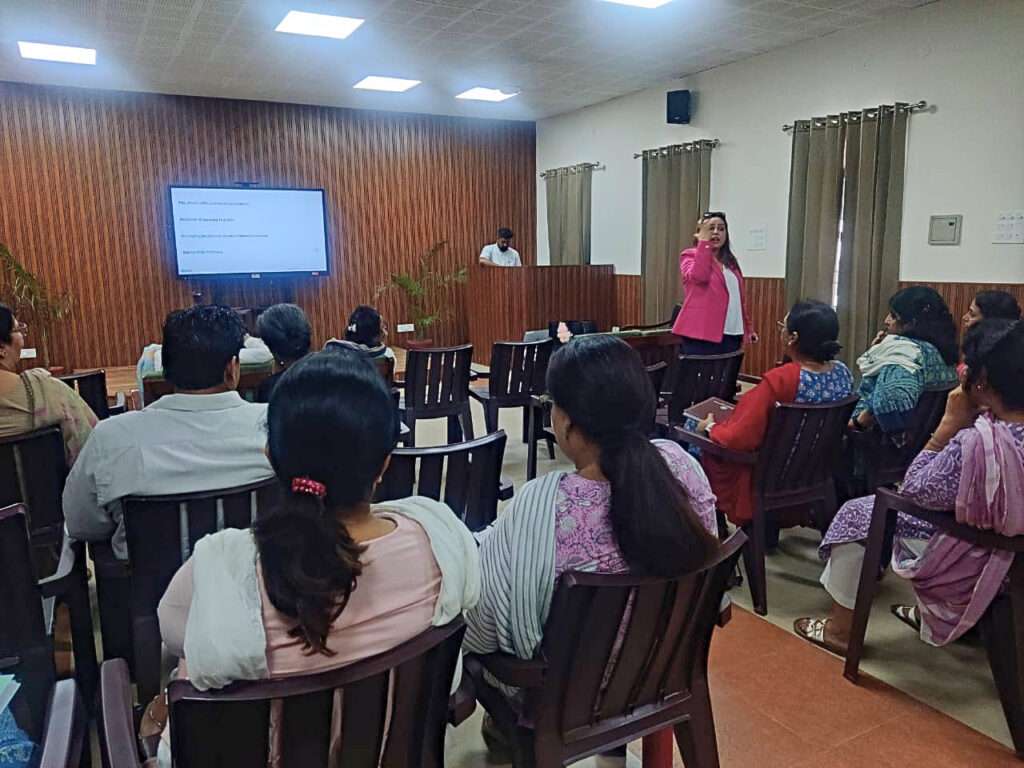
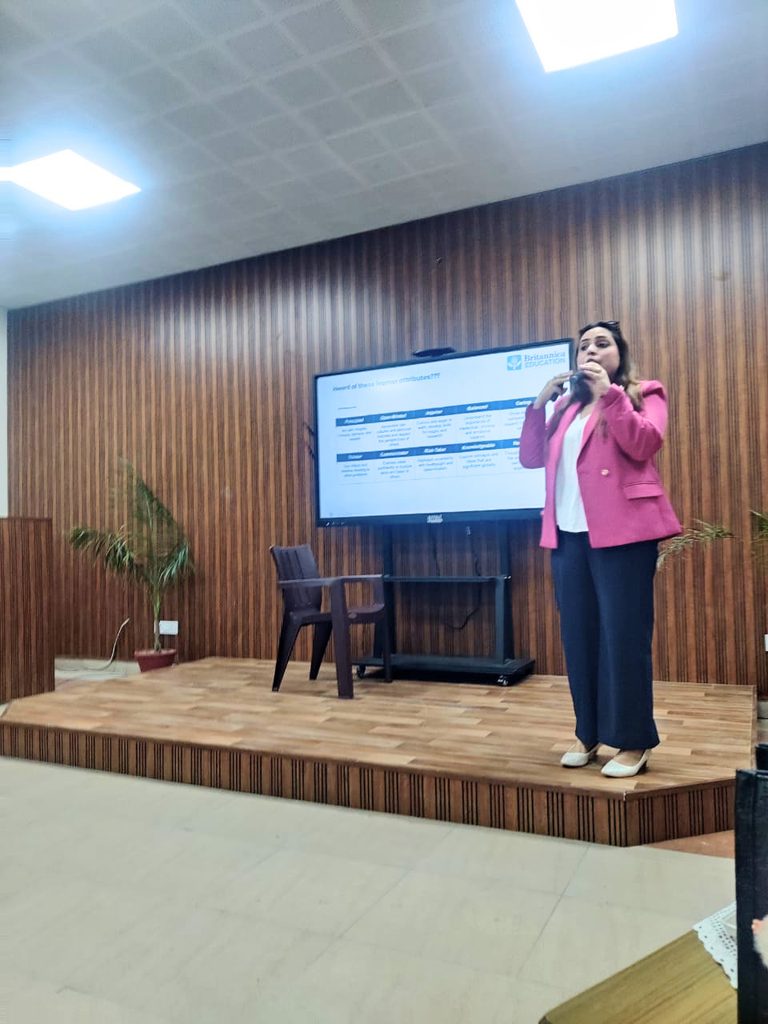
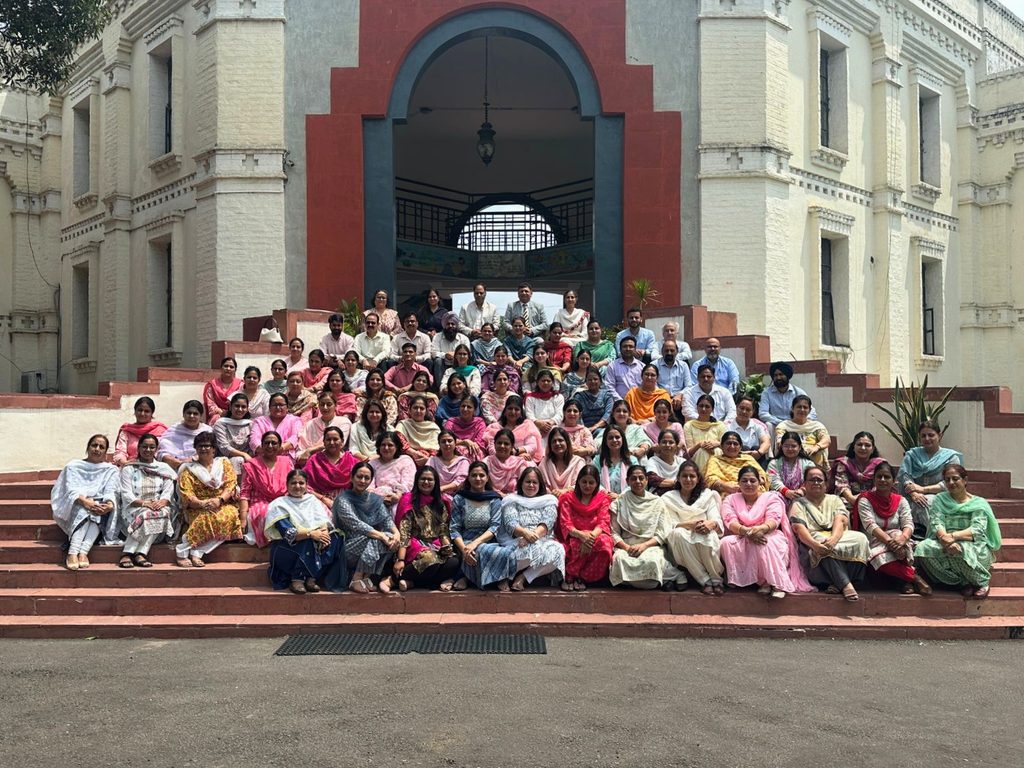
Over several weeks, we rolled out custom-designed training sessions for teachers across the Foundation, Junior, and Senior Wings. Each session was more than a workshop; it was a call to action.
These were not passive sessions. Teachers engaged, debated, questioned, and explored. For many, it was a return to their own love for learning. The program included an expert session on Neuro-Linguistic Programming by Dr. Dhiraj Mehrotra.
“Thank you for the wonderful workshop. It was very informative and effective. The content was well-organized, and the session provided valuable insights. I truly appreciate the effort that went into making it engaging and impactful. Looking forward to more such sessions in the future!”
Swati Kulshreshtha
Teacher, Foundation Wing
“The session was engaging and acted as a refresher on teaching ethics, which we sometimes forget because of work pressures and duties.”
Smriti Yadav
Teacher, Junior Wing
“It was a well-presented and well-planned lecture that covered both general and specific improvements one can make in the teaching process. I was enlightened about the massive role that NLP can play in enriching one’s teaching, and this is something I will now consciously implement with my students. I was also motivated to integrate more technology into my teaching to make it dynamic and to evolve with the times.”
Navleesh Billing
Teacher, Senior Wing
Deepening the Impact
Project-Based Learning
To ensure the change was not temporary, we went further. We designed intensive Project-Based Learning training to elevate teacher practice from good to great.
The change soon showed in students’ work. Working on projects around cleanliness and sustainability, YPS students created innovative prototypes to spread awareness, including waste-segregation bins for metal, e-waste, and plastic, and posters such as “Each Day, Clean Day.”
Through hands-on learning, students highlighted the importance of clean surroundings and the 3Rs — Reduce, Reuse, Recycle. The projects encouraged creativity and collaboration while building problem-solving skills and a sense of responsibility toward the environment. They showed how Project-Based Learning connects classroom concepts with real-life issues, empowering students to contribute to a cleaner, greener future.
The Evidence of Change
Britannica School recorded the highest search and document volume of any resource, making it the school’s most actively used platform.
Measure
Result
Students using Britannica (Grades 3–8)
638
Britannica School searches (September)
17,545
Britannica School documents accessed (September)
3,006
Most importantly, students took greater ownership of their learning — no longer waiting to be taught, but seeking to understand.
Torchbearers of a New Way of Learning
Today, YPS Patiala stands tall — not just as a user of Britannica, but as a torchbearer of a new way of learning.
Join Our Newsletter
From tips and tricks to engaging activities, find attention-grabbing content for tomorrow’s lesson.