


From Curiosity to Critical Thinking
How One Student Turned Research into Real-World Impact

What happens when students are taught to research, question, evaluate, and create, not just search? One student’s project on digital safety offers a powerful glimpse into the future of inquiry-based learning.
Research Isn’t an Assignment. It’s a Life Skill.
India’s National Education Policy (NEP 2020) challenges schools to move beyond memorization and toward something much more powerful: curiosity, inquiry, critical thinking, and real-world problem-solving.
Today’s learners aren’t simply expected to find information. They’re expected to evaluate it, question it, connect ideas across disciplines, and use what they learn to solve authentic problems. But teaching those skills has become increasingly complex.
Students have access to more information than ever before. Search engines generate millions of results in seconds. AI tools can produce instant answers. Social media constantly competes for attention. In this environment, knowing how to research has become just as important as knowing what to research.
That means helping students develop strong media literacy and research habits isn’t an “extra” anymore, it’s foundational.
Inquiry Doesn’t Happen by Accident
At Fountainhead Wockhardt Global School, research wasn’t treated as an assignment; it became the starting point for meaningful inquiry.
Following a professional learning workshop inspired by Britannica Build’s Project-Based Learning (PBL) framework, educators challenged students to investigate authentic issues, evaluate evidence, and develop solutions with real-world impact. Rather than asking students to simply collect information, the project encouraged them to ask meaningful questions, think critically, and apply their learning to challenges that matter.
Students began by building a strong foundation of knowledge with Britannica Library, using trusted, editorially reviewed content to develop a deep understanding of their chosen topics before expanding their research through additional sources and teacher guidance. Along the way, instructional strategies from Teach Britannica, including KWL graphic organizers, helped students organize their thinking, document new learning, and reflect throughout the inquiry process.
The result went beyond a simple research assignment. It was a learning experience that transformed curiosity into evidence-based thinking and ultimately into meaningful action.
One Question Sparked an Extraordinary Student Project
While preparing for a debate on India’s Digital Personal Data Protection (DPDP) Act, 15-year-old Parth Bachate began asking a question that wasn’t part of the assignment: “If laws exist to protect children online, are children actually prepared to protect themselves?” That single question launched a research journey into digital safety, online privacy, and media literacy.
Using Britannica Library as a trusted starting point, the student explored digital citizenship, researched India’s DPDP Act, investigated the European Union’s Better Internet for Kids (BIK) initiative, and examined international reports highlighting growing concerns around children’s online safety.
But the project didn’t stop with research.
Where Project-Based Learning Comes to Life
Project-based learning isn’t simply about completing a project. It’s about helping students investigate meaningful questions, evaluate evidence, collaborate with others, and create solutions that extend beyond the classroom.
This student’s digital safety project is exactly that kind of authentic learning. Rather than simply writing about digital safety, the student asked an important follow-up question: “What could actually help children make better decisions online?”
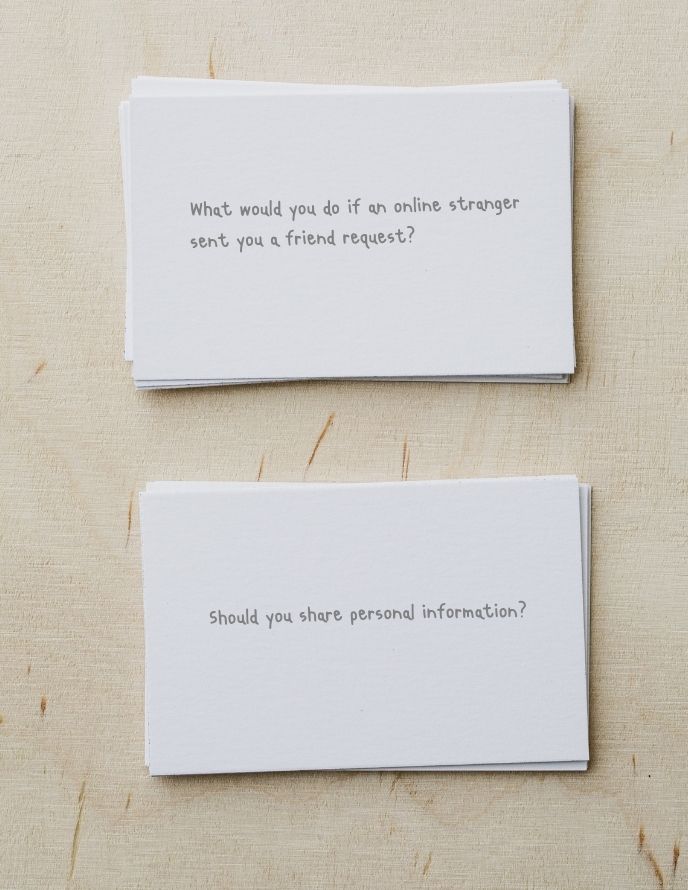
The answer became a series of interactive flash cards designed around real-life digital scenarios. These cards ask students to think critically instead of memorize rules:
- What would you do if an online stranger sent you a friend request?
- Should you share personal information?
- How do advertisements influence your decisions?
- What does responsible digital behavior actually look like?
Each activity encourages learners to evaluate situations, make informed decisions, and reflect on the consequences of their choices. The resource even includes ideas for school counselors to use the cards during role-playing activities that strengthen discussion, collaboration, and decision-making skills.
That’s inquiry in action.
Why Trusted Research Matters Now More Than Ever
Projects like this don’t begin with answers. They begin with good questions and trusted resources that help students investigate them with confidence.
In today’s digital world, students are constantly navigating search engines and AI-generated content, videos, blogs, and social media. These tools may provide quick answers, but they don’t always provide accurate ones—and students don’t always know which sources are credible, current, or supported by evidence or how to separate fact from fiction.
Britannica Library gives students something different: a trusted place to begin.
In this platform, every article is developed through Britannica’s rigorous editorial process, where subject-matter experts, professional editors, and continuous fact-checking ensure that learners start with information they and their teachers can trust.

When students begin with credible knowledge, they spend less time questioning the information itself and more time developing the skills that truly matter:
Those are the very skills NEP seeks to cultivate.
Building Media Literacy Starts with Better Questions
Media literacy isn’t simply learning how to identify misinformation. It’s learning how to think.
Students who develop media literacy learn to ask:
The student featured in this project demonstrated exactly those habits.
Rather than collecting facts, the research became an opportunity to analyze evidence, connect ideas across policies and countries, identify a real-world problem, and design a practical solution for younger learners.
That’s the kind of learning that lasts long after an assignment is complete.
Download the Student Journal
Want to see what inquiry-driven learning looks like in practice?
Download the complete student journal to explore how one student’s curiosity became a thoughtful, research-backed solution designed to improve digital safety for children.
Helping Curiosity Lead Learning
At Britannica Education, we believe meaningful research begins with curiosity, but it reaches its full potential when students have the tools to investigate, evaluate, and create.
By combining trusted research resources, inquiry-based instructional strategies, and authentic project-based learning experiences, educators can help students build far more than content knowledge. They develop critical thinkers, confident communicators, and responsible digital citizens.
That’s learning that lasts long after the project is complete.
Ready to Bring Inquiry-Based Learning to Your School?
Discover how Britannica Education helps schools turn research into authentic learning through trusted content, project-based learning frameworks, and instructional strategies that build critical thinking and media literacy.

Recent Blog Posts
Hello Britannica Success Stories: Two Schools, Two Unique Learning Journeys
Read More: Hello Britannica Success Stories: Two Schools, Two Unique Learning Journeys
Beyond the Answer: A More Thoughtful Approach to AI-Powered Research
Read More: Beyond the Answer: A More Thoughtful Approach to AI-Powered Research
AI Can Find an Answer, BUT Can Students Verify It?
Read More: AI Can Find an Answer, BUT Can Students Verify It?

Academic Integrity and the Responsible Use of Artificial Intelligence in Schools
Read More: Academic Integrity and the Responsible Use of Artificial Intelligence in Schools
Rethinking Assessment in the Age of A.I.
Read More: Rethinking Assessment in the Age of A.I.
Responsible AI in Cambridge & IB Classrooms
Read More: Responsible AI in Cambridge & IB Classrooms
How IB and Cambridge Educators Can Maintain Pedagogical Depth
Read More: How IB and Cambridge Educators Can Maintain Pedagogical Depth
Summer Reimagined: How the Britannica Summer Spark Series is Transforming Learning
Read More: Summer Reimagined: How the Britannica Summer Spark Series is Transforming Learning
What Does Trust Mean in the Age of AI?
Read More: What Does Trust Mean in the Age of AI?
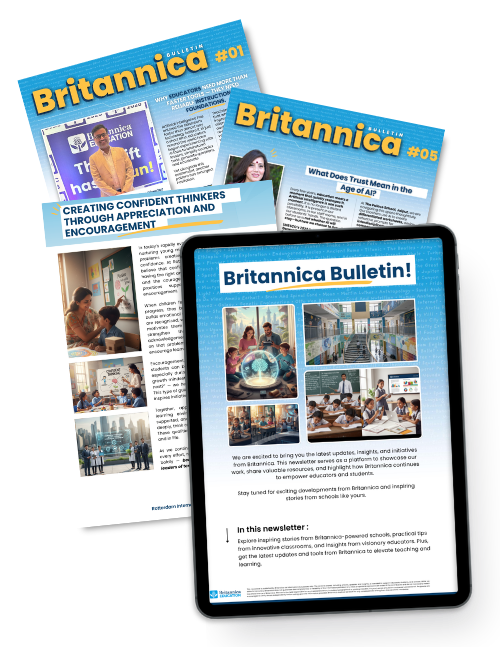
This story was featured in:
The Britannica Bulletin
Your source for monthly updates, resources, and stories empowering educators and students.