







On April Fools’ Day, you and your friends might play silly pranks. But you’re no match for these critters!
All around the world, animals have evolved with incredible camouflage that lets them blend so well with their habitat that they seem to vanish into snow, rocks, sand, and even tree bark. What looks like an ordinary twig could actually be an insect, and that “leaf” on the forest floor might suddenly hop away.
Celebrate some of the animal kingdom’s greatest masters of disguise—creatures so well hidden they could fool almost anyone. Take a closer look at these images sourced exclusively from Britannica ImageQuest—here are 11 amazing camouflaged animals that might just outwit you!
Masters of Disguise: Nature’s Hooligans
Can you spot the animal hidden in plain sight? Hover over each image to reveal the creature. (Tip: Use Britannica School’s Early Elementary level to learn more about each one.)
🐙 Common Reef Octopus
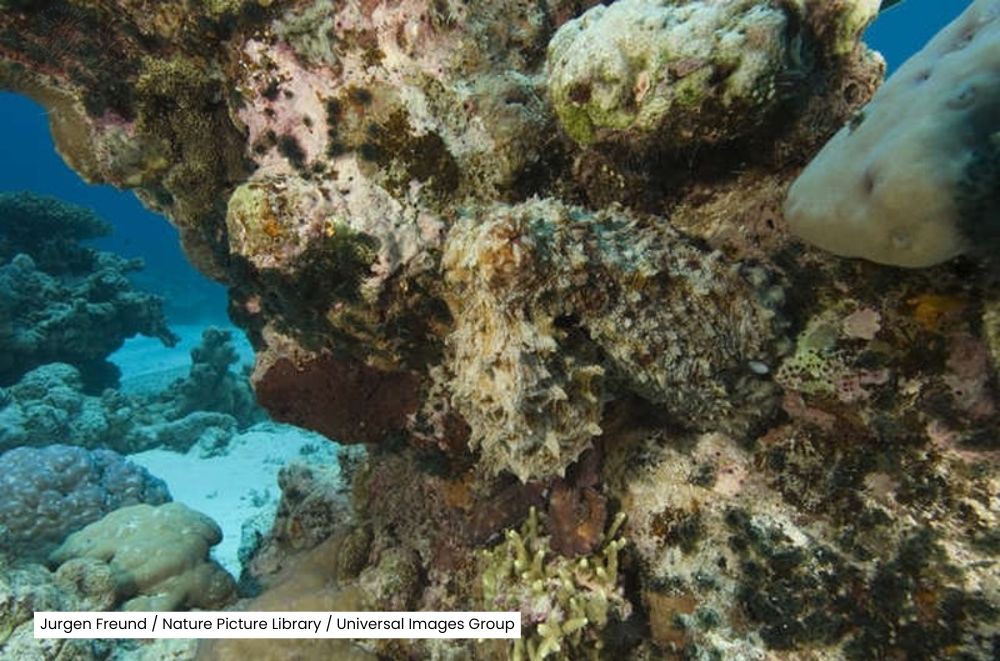
Octopuses can change their color to match their surroundings—perfect for hiding in plain sight! This has dual advantages: color change can protect an octopus from larger predators (like sharks and seals) and can also fool its prey (crab, shrimp, and mollusks) into becoming dinner.
🌼 Orchid Mantis
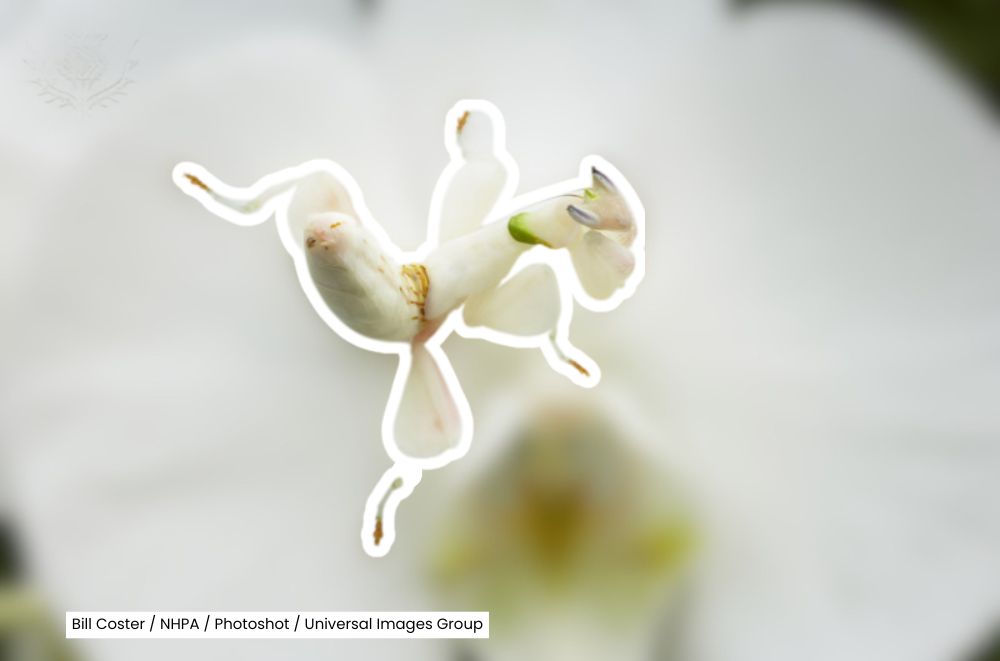
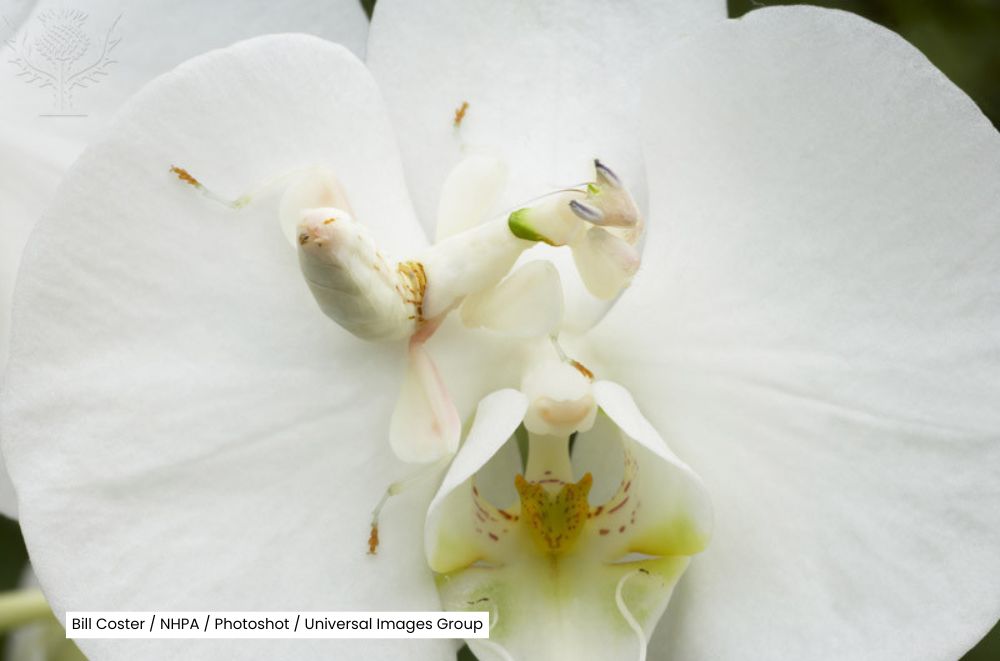
Blending in perfectly with the white petals of the orchid flower lies an imposter—a mantis! With its camouflage, it may not be noticed by the small insects it eats.
🦉 Snowy Owl
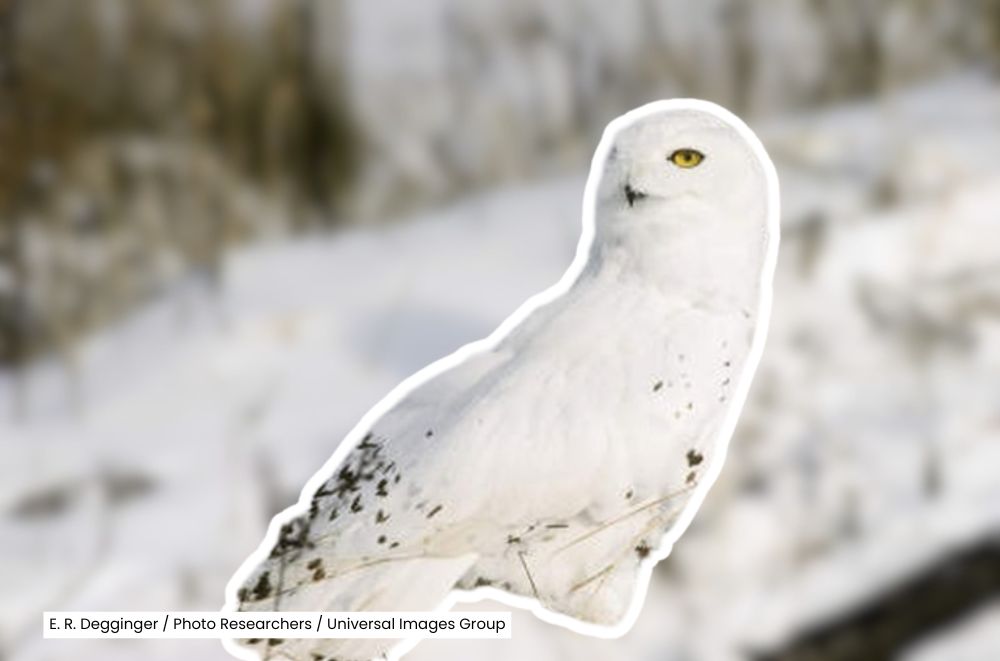
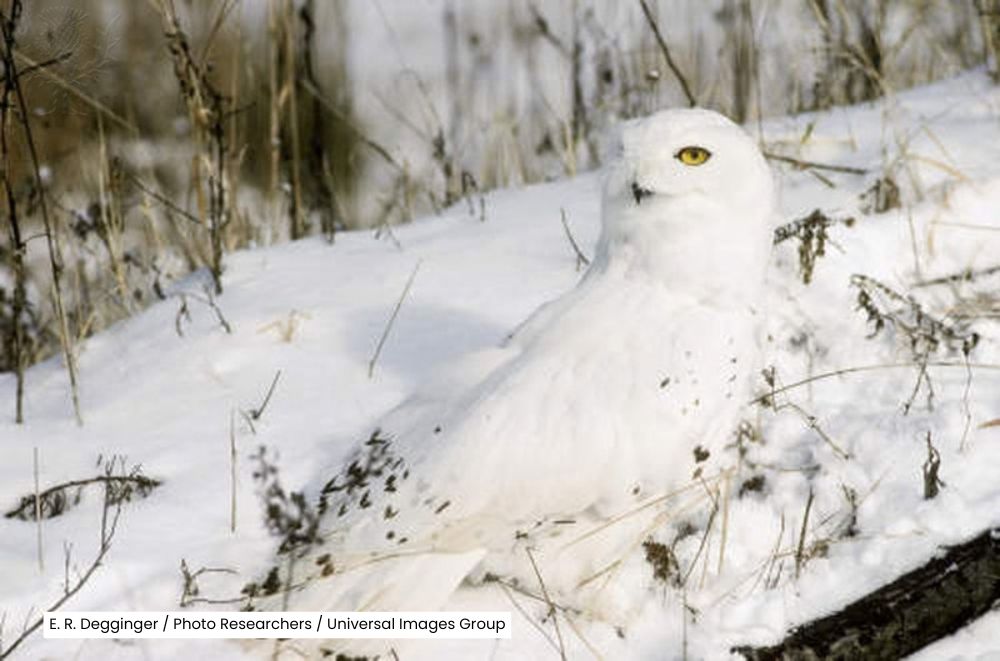
With bright white feathers and hints of black, this snowy owl may blend into its snowy, rocky surroundings. Rodents may never sense that a dangerous predator is nearby.
🍃 Leafy Seadragon
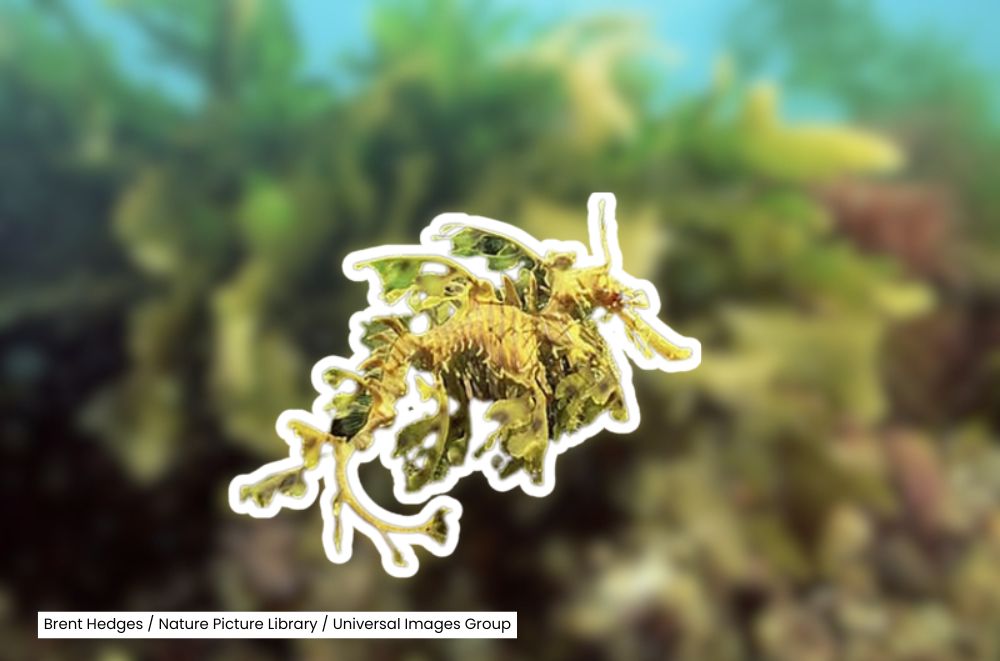
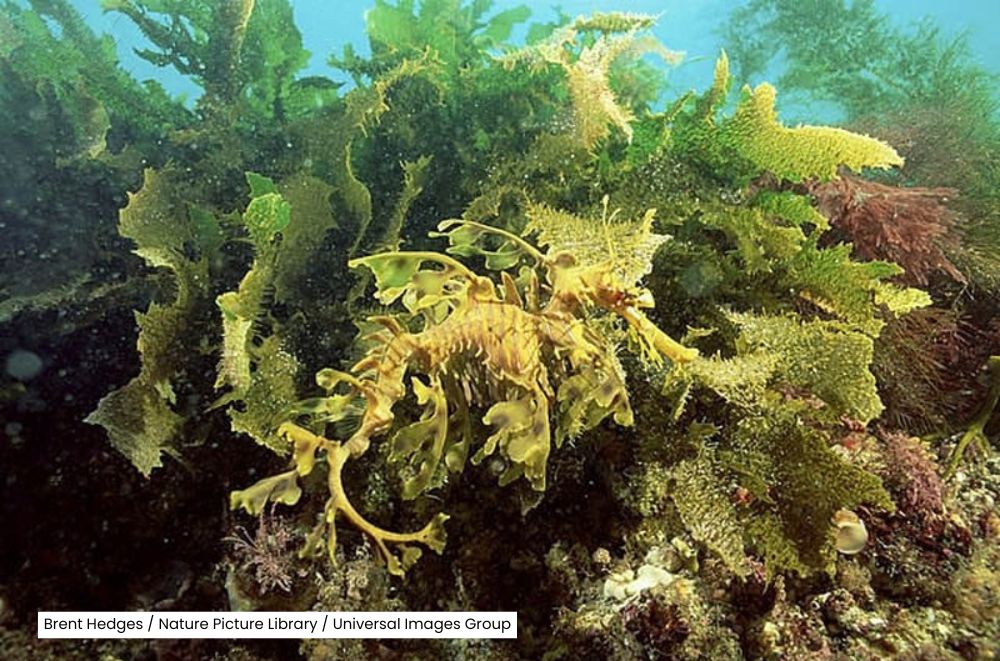
The seadragon (which is like a seahorse) blends in with seaweed, hiding it from predators like larger fish and sea anemones.
🌳 Stick Bug
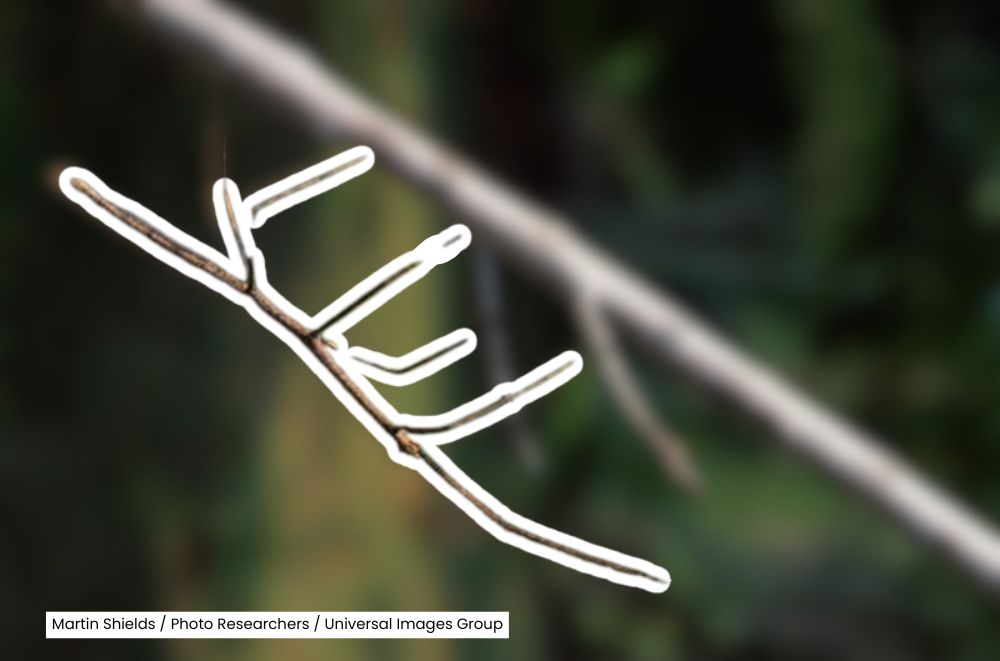
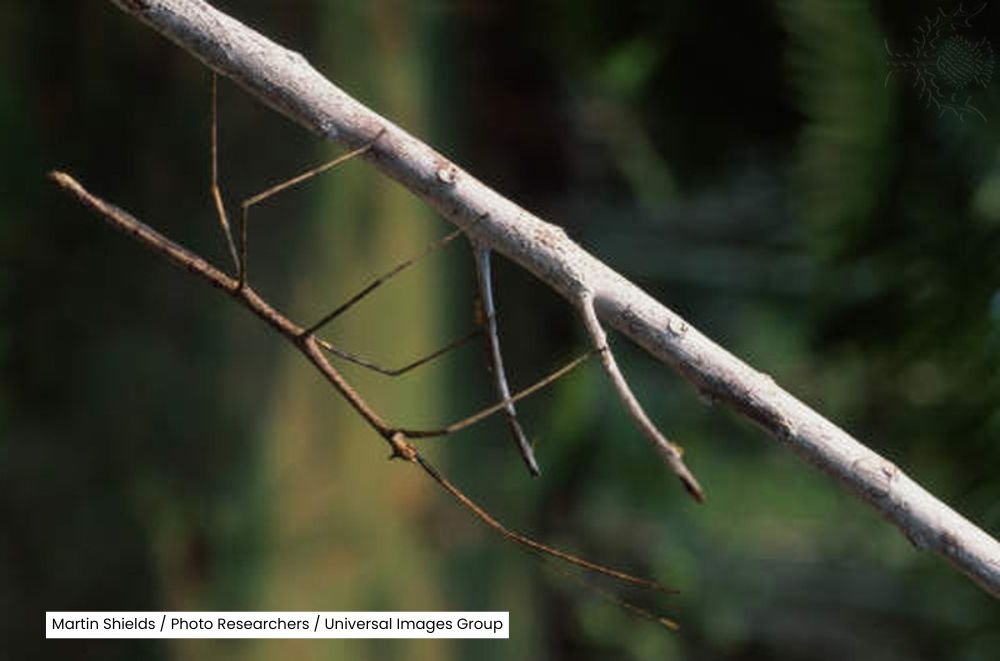
Blending in with trees and dried plants, the stick bug is protected from predators like birds and spiders.
🌊 Pygmy Seahorse
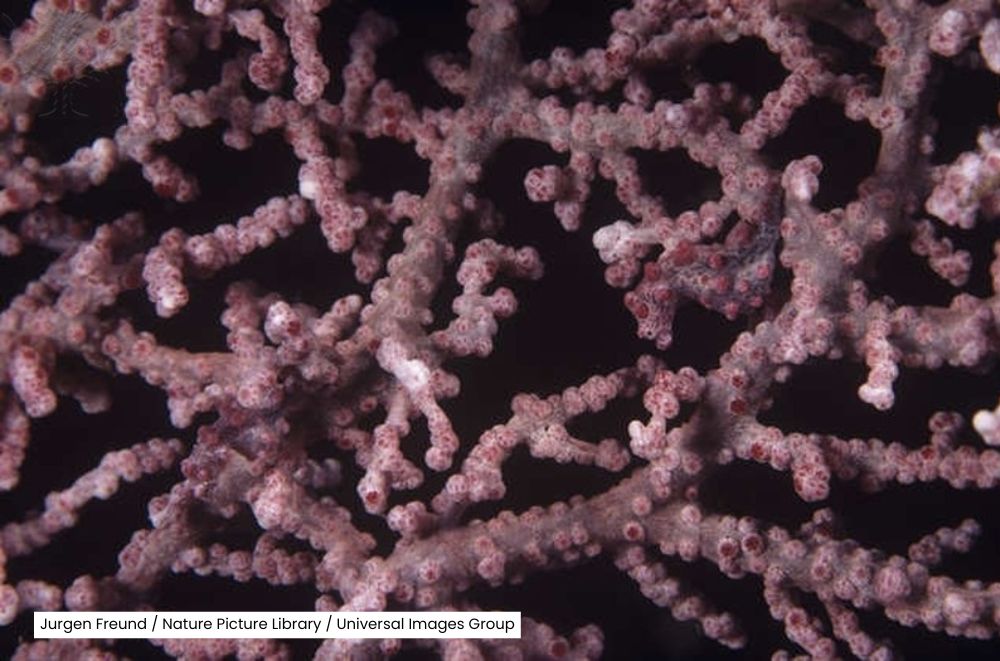
Teeny tiny seahorses blend in with coral, which protects them from larger fish and crabs.
Did you spot them all? Each of these animals has adaptations that have changed their appearance over time and help them survive in their environment. While some animals’ adaptations let them hide from predators, others have adaptations that make them better predators!
Who’s Fooling Who?
Can you figure out which animal is impersonating the other?
Select the mimic to find out!
-
This caterpillar resembles a snake head, which wards off predators like birds or larger amphibians. -
Markings on the nonvenomous kingsnake mimic those on the venomous coral snake. Coral snakes have red and yellow stripes, while the kingsnake has black and red stripes. The similarity helps the kingsnake to survive. Use the rhyme “red and yellow can kill a fellow; red and black, friend of Jack” to help remember which snake is which! -
Is it an eye? Is it a moth? Joke’s on you! It’s actually a butterfly with a wing pattern that resembles owl eyes. This keeps the butterfly safe from becoming prey for birds. -
When threatened, the hognose snake expands skin around its head, which makes it look like the highly venomous cobra snake! Hognose snakes are actually nonvenomous. -
The clearwing moth’s coloring mimics the markings on wasps, which fools predators into avoiding the moths as if they are the aggressive wasps.
Were you able to find all the copycats? In nature, mimicry fools predators by making animals and insects appear more dangerous than they are. Mimicry doesn’t stop at appearances—some animals have sounds, behaviors, and even odors that are similar to those of other animals.
Interested in learning more about mimicry in nature or viewing other camouflaged animals? Contact us to subscribe to Britannica School and Britannica ImageQuest!

Recent Blog Posts
What Educators Really Think About AI: Insights from ISTE 2026
Read More: What Educators Really Think About AI: Insights from ISTE 2026
From 1776 to Today: The Big U.S. Timeline Quiz
Read More: From 1776 to Today: The Big U.S. Timeline Quiz
Using Britannica School and the World Cup to Score Big in the Classroom
Read More: Using Britannica School and the World Cup to Score Big in the Classroom
Teach Britannica, for Educators, with Love
Read More: Teach Britannica, for Educators, with Love
Summer Reading Ideas for Kids: Free Activities & Book List
Read More: Summer Reading Ideas for Kids: Free Activities & Book List

How Deep Are Your Roots? An Earth Day Curiosity Quiz
Read More: How Deep Are Your Roots? An Earth Day Curiosity Quiz
If We Can’t Trust What We Read, What Does That Mean for AI in Schools?
Read More: If We Can’t Trust What We Read, What Does That Mean for AI in Schools?
Join Our Newsletter
From tips and tricks to engaging activities, find
attention-grabbing content for tomorrow’s lesson.