




share


The following Britannica School learning toolkit on Ocean Conservation is a great starting place to help your students grasp relationships, processes, and concepts through engaging diagrams, charts, and other structured visuals.
It contains resources to help burgeoning young scientists explore our oceans and marine life, as well as understand the impact of human activity and the importance of responsible stewardship.
Ocean Conservation Resources
These resource packs are specially curated to shed light on ocean life, human interactions with the ocean and the ocean’s physical geography. They contain age-appropriate texts and multimedia from Britannica School.
Schools in New Zealand and Asia can also access these resource packs at:
Primary school resource pack for New Zealand schools ↗
Middle school resource pack for New Zealand schools ↗
Elementary school resource pack for schools in Asia ↗
Middle school resource pack for schools in Asia ↗
Ocean Conservation Activities
Print out these activities for students to complete on their own or in groups, using information found in the resource packs above. Worksheets can also be shared and completed online.
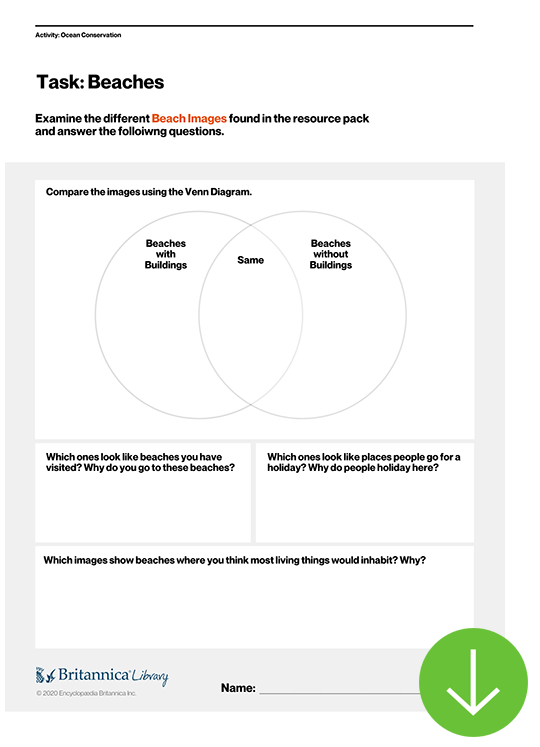
Our Beaches
Examine the different images depicting beaches and answer the questions in the “Beaches” worksheet.
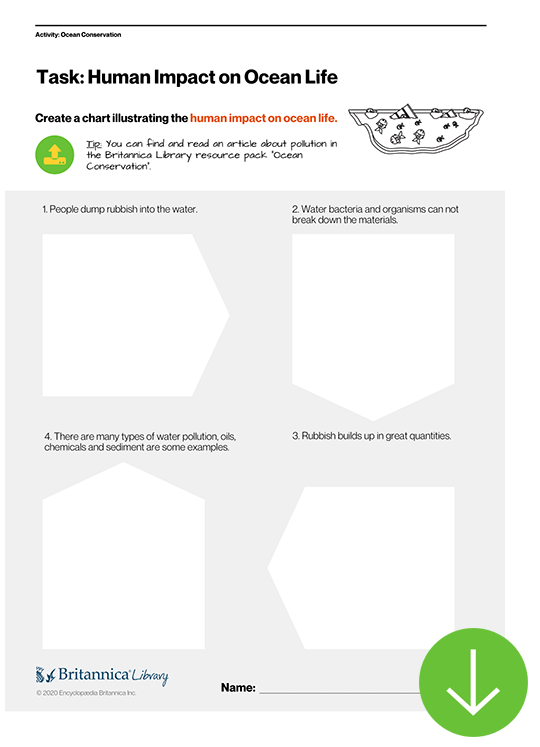
Human Impact on Ocean Life
Read the Britannica School article on pollution and construct a chart illustrating the impact of pollution and human activities on ocean life.
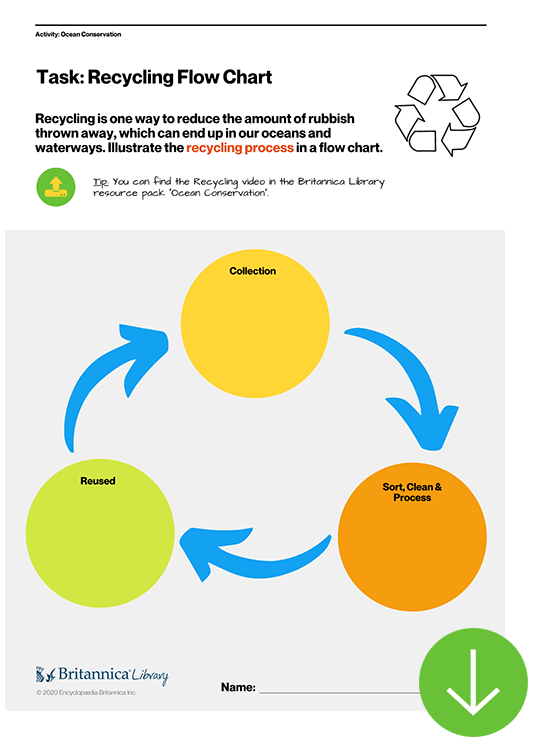
How Recycling Works
Recycling is one way to reduce the amount of waste that can end up in our oceans and waterways. Watch the “Recycling” video found in the Britannica School resource pack and use it to illustrate the recycling process.
These activities and resources have been created using content from Britannica School, the go-to site for learning more about any subject. Find out if your school already has access or set up your own free trial.


Recent Blog Posts
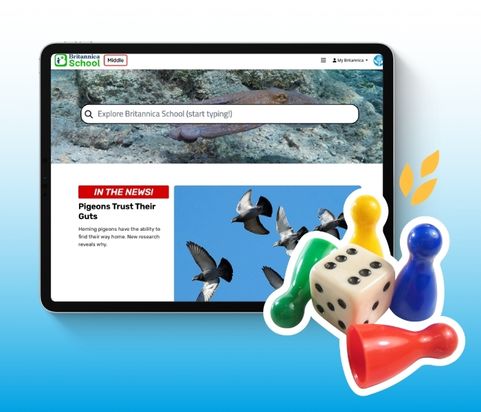
With Britannica School’s built-in tools, you already have everything you need to turn research into an adventure.
Britannica School’s most viewed articles offer a peek into what captured the curiosity of students, teachers, and library-goers in 2025.
As exam time rolls around, the pressure ramps up for everyone. Discover some practical ways to make the most of your resource this term.

Scientific literacy goes beyond knowing facts or memorising vocabulary. At its core, it’s about understanding how science works.
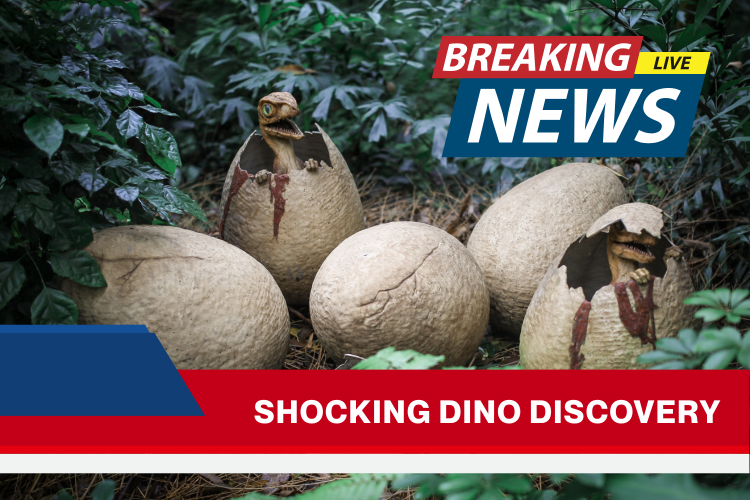
These Australian curriculum-aligned classroom activities invite students to explore what might happen if dinosaurs walked the Earth again
Curiosity in science matters, but without explicit instruction to lay the groundwork, inquiry can leave students guessing.
Alison Davis shares powerful strategies for embedding real-world skills into English Language Teaching (ELT)
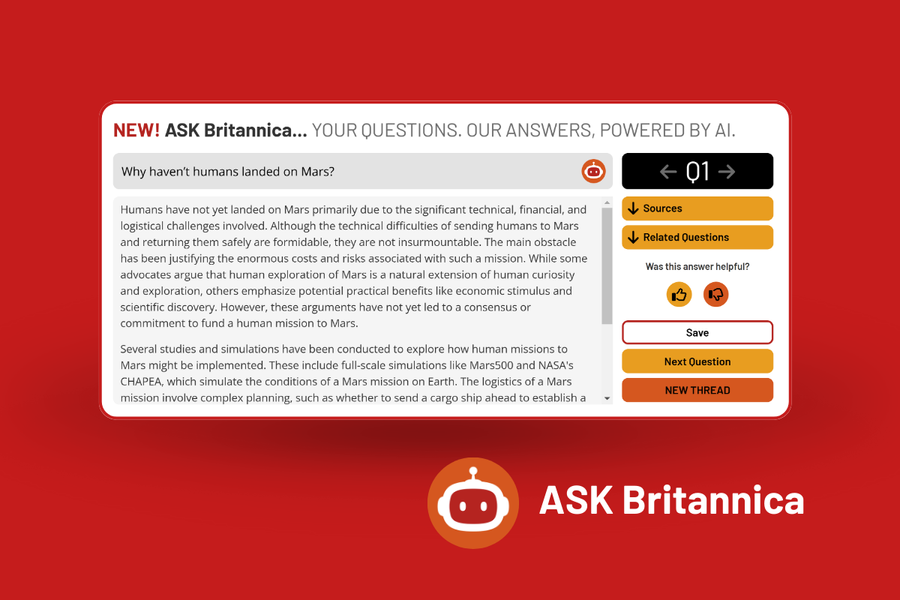
ASK Britannica makes it simple to ask questions, find answers and explanations, and explore Britannica’s vast knowledge base.
By understanding the science of confidence and using trusted resources like Britannica, educators can build confident learners
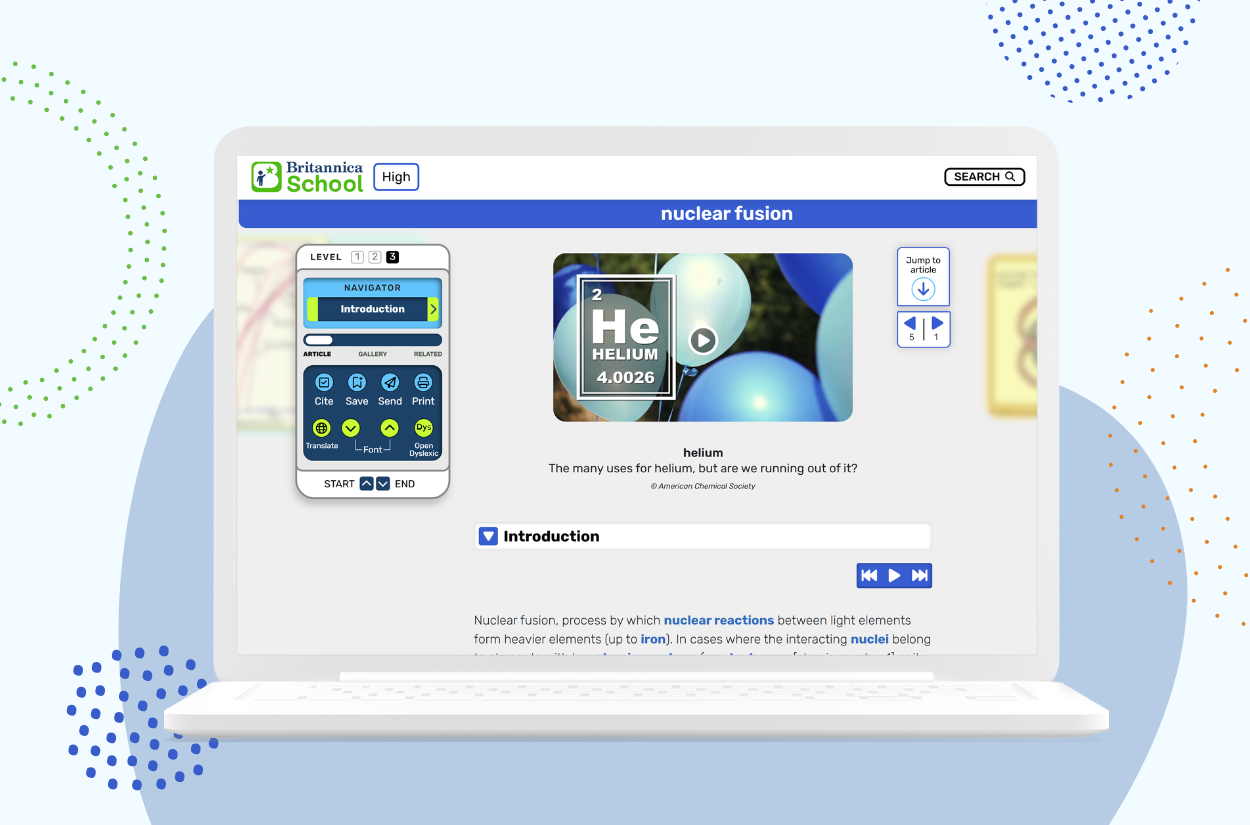
In 2025, we’re continuing to expand, update, and enhance Britannica School, starting with the launch of a new High School Level design this month.