



Why Scientific Literacy is the Missing Key to Student Confidence, Comprehension & Communication

share


If students can’t read science, they can’t do science.
What Is Scientific Literacy?
Scientific literacy goes beyond knowing facts or memorising vocabulary. At its core, it’s about understanding how science works – how to ask questions, interpret evidence, and evaluate claims in a world overflowing with information.
According to Monash University’s Exploring Scientific Literacy project:
Scientific literacy involves the ability to use scientific knowledge and processes not just for personal decision-making, but for civic and societal participation.
Scientific literacy is about fostering more informed citizens, not just creating more scientists.
Why Scientific Literacy Matters in Classrooms
In every science classroom, students are being asked to do more than just recall. Critical skills include:
- Analysing conflicting claims
- Interpreting data and visual representations
- Evaluating evidence and method
- Communicating findings clearly and persuasively
All of this depends on a student’s ability to read, comprehend, and communicate scientific ideas; skills that sit at the heart of scientific literacy.
When students lack scientific literacy, they:
- Struggle to follow multi-step experiments
- Misunderstand exam questions
- Are less able to construct arguments or justify conclusions
- Rely on rote learning instead of critical thinking
And when students don’t feel successful, their confidence plummets. It’s a cycle that becomes self-reinforcing.
The Neuroscience of Comprehension: Why Literacy Comes First
Recent research in the science of reading (e.g., Scarborough’s Reading Rope) shows that reading comprehension is built on multiple strands, including vocabulary, background knowledge, syntax, verbal reasoning, and more.
In science, content-area knowledge is deeply intertwined with comprehension. Without foundational understanding, students can’t make meaning from scientific texts, graphs, or diagrams.
This aligns with neuroscience findings that activate different brain regions when reading informational texts versus narratives. In science, students are required to juggle abstract reasoning, precise terminology, and symbolic representation – all of which place high cognitive demands on working memory and language processing.
In short: if students can’t read science, they can’t do science.
Why Scientific Literacy Is Often Missed
Despite its importance, scientific literacy is often overlooked or under-emphasised. This may be due to a number of reasons:
- Teachers are under pressure to “cover content,” leaving little time for explicitly teaching comprehension or communication.
- Literacy is still perceived as the domain of English teachers, when in reality, every subject has its own language.
- Many students enter secondary school without the reading level required to access science texts, especially in rural or under-resourced areas.
This means students fall behind not due to a lack of intelligence, but due to a lack of language access.
Scientific Literacy Builds Self-Efficacy
There’s growing evidence that scientific literacy doesn’t just support academic achievement – it boosts self-efficacy.
A 2024 study published in Research in Science Education found that when students understand the how and why of science, they are more likely to believe in their ability to engage with science, persist in challenging tasks, and transfer scientific thinking to everyday decision-making.
This matters.
Students who feel capable are more likely to pursue STEM subjects, participate in class, and trust their own thinking.
Scientific Literacy Builds Self-Efficacy
Britannica Education is committed to building scientific literacy at every level through:
Literacy Is the Gateway to Scientific Thinking
We often hear that science education should prepare students for the future. But that future demands far more than just knowledge. It also demands understanding, judgment, and voice.
If we want students to think like scientists, we must first help them read like scientists and communicate like scientists.
That’s the promise of scientific literacy, and the foundation of confidence in every classroom.


Recent Blog Posts
With Britannica School’s built-in tools, you already have everything you need to turn research into an adventure.
Britannica School’s most viewed articles offer a peek into what captured the curiosity of students, teachers, and library-goers in 2025.
As exam time rolls around, the pressure ramps up for everyone. Discover some practical ways to make the most of your resource this term.
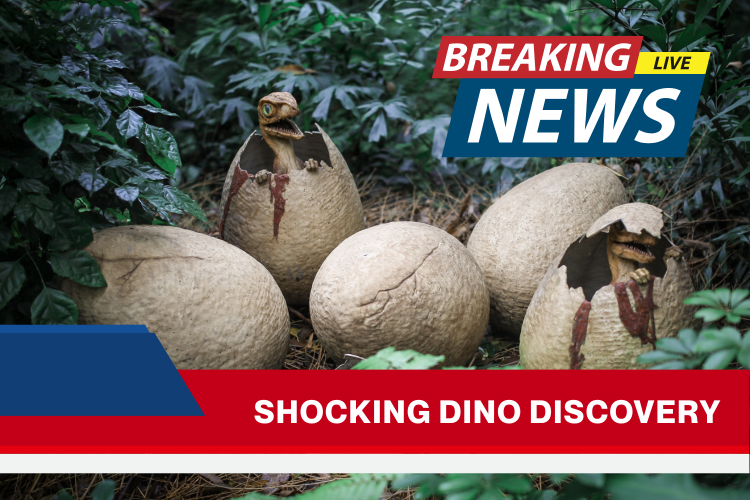
These Australian curriculum-aligned classroom activities invite students to explore what might happen if dinosaurs walked the Earth again

Britannica School’s Ocean Conservation resources include engaging diagrams, charts, and other structured visuals.
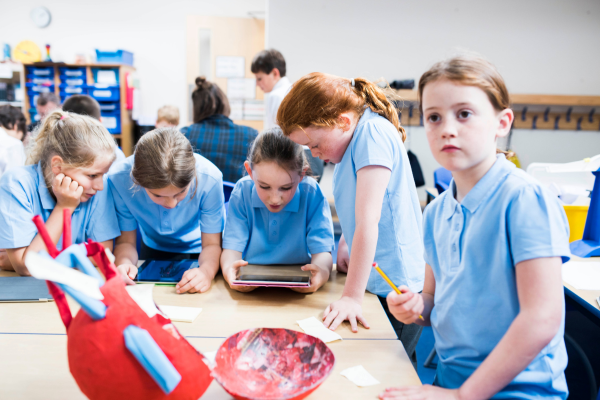
Curiosity in science matters, but without explicit instruction to lay the groundwork, inquiry can leave students guessing.
Alison Davis shares powerful strategies for embedding real-world skills into English Language Teaching (ELT)
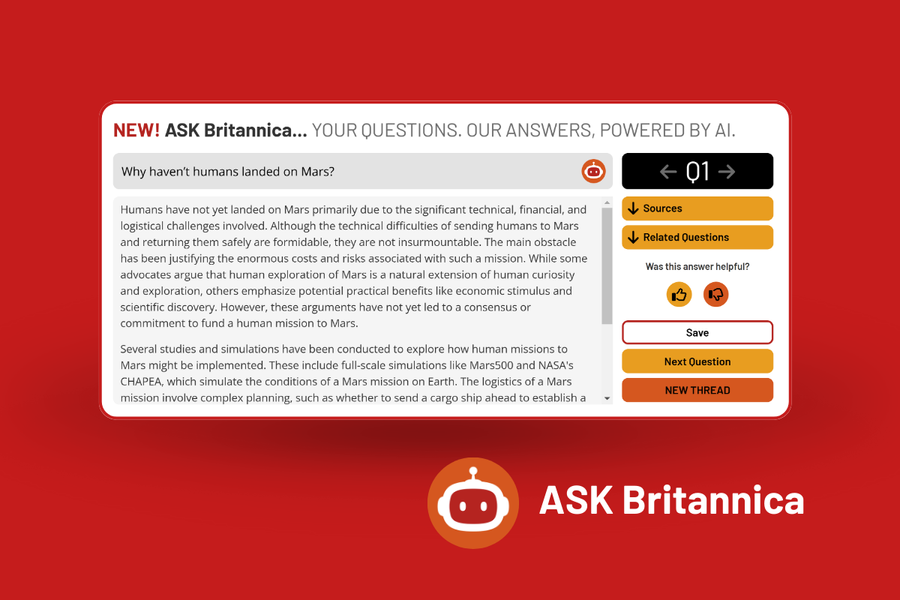
ASK Britannica makes it simple to ask questions, find answers and explanations, and explore Britannica’s vast knowledge base.

By understanding the science of confidence and using trusted resources like Britannica, educators can build confident learners
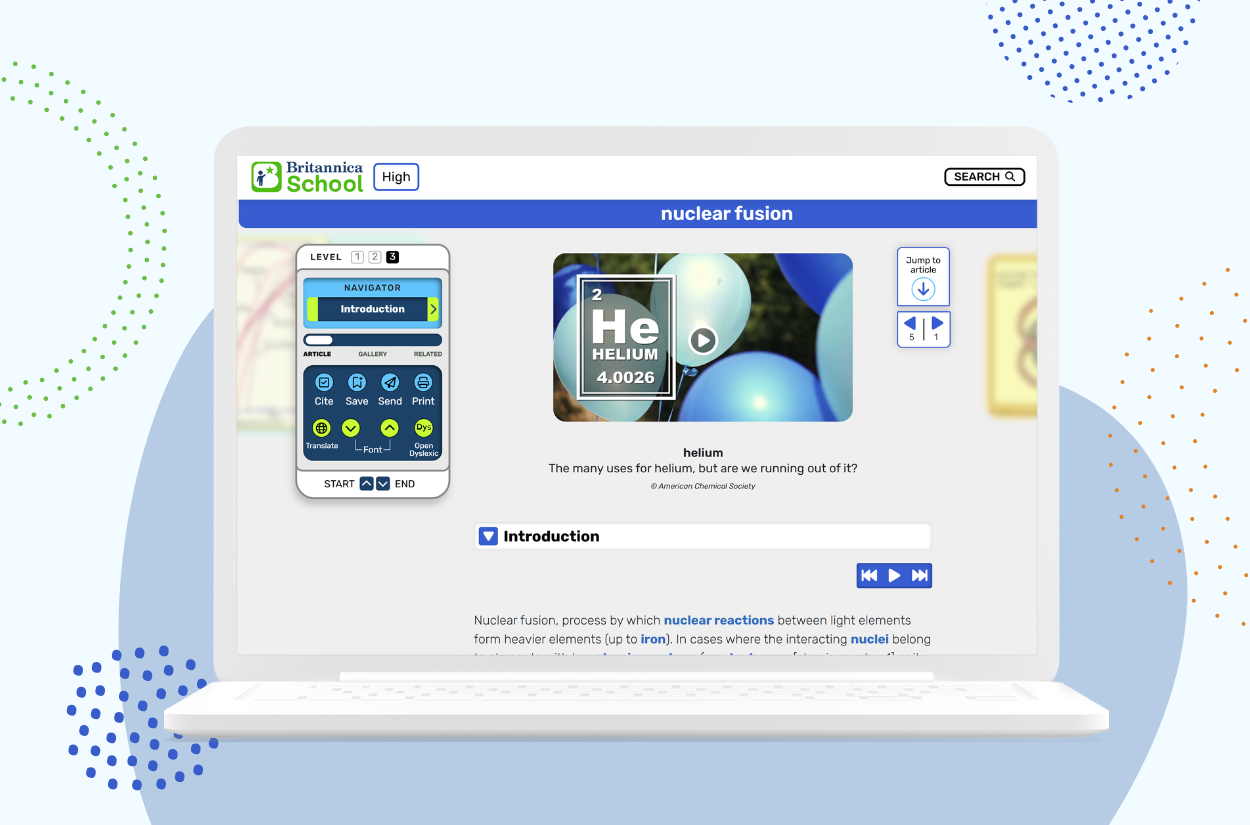
In 2025, we’re continuing to expand, update, and enhance Britannica School, starting with the launch of a new High School Level design this month.