




Explore Key Features
Britannica School is designed to be intuitive, flexible, and supportive of diverse learners.
Navigating Articles
Students move through articles using media galleries, tables of contents, and related content to build understanding and explore topics independently.
Reading Levels & Accessibility
Adjust reading levels without losing instructional rigor and use read-aloud support, translations, text-to-speech, and OpenDyslexic font options to meet student needs.
Media, Interactives & Primary Sources
Images, videos, timelines, maps, and primary sources are integrated throughout the platform to support inquiry and deeper learning.
Saving, Sharing & Citing
Save content to Resource Packs, generate citations, and share articles directly to Google Classroom or Microsoft Teams.
FAQ and Troubleshooting

Access & Accounts
Research & Classroom Use
Technical Issues
Product & Support
Bring Britannica School to Life
Make it easy to bring Britannica School into your instruction with ready-to-use activities and tools.


Britannica School Insights
Cut through the Internet noise to research smarter.
This extension surfaces Britannica-verified information and inquiry pathways that uncover unique relationships, uncommon insights, context, and perspectives around English-language search topics.
Teach Britannica
Access ready-to-use instructional strategies, graphic organizers, bell ringers, and lesson minis created to pair seamlessly with Britannica School content.
Webinars
Discover new ways to incorporate digital content, features and instructional strategies into your classroom or library.

Learn More & Get Inspired
Explore curated resources designed by the Britannica Education team to help you make the most of Britannica School in your classroom or learning space.
Scavenger Hunts
These scavenger hunts will guide you through Britannica School, showing how its tools can make your work easier and more effective.
-
Digital Scavenger Hunt Booklet – Britannica School Middle, Geography
-
Digital Scavenger Hunt – Britannica School Primary/Elementary, Geography
-
Digital Scavenger Hunt Britannica School: Middle, History
-
Britannica School Scavenger Hunt Activity Pack (Primary)
-
Britannica School Scavenger Hunt Activity Pack (High)
-
Digital Scavenger Britannica School: Primary/Elementary, History
Blogs
Browse classroom ideas, implementation tips, and instructional inspiration created by our education experts.
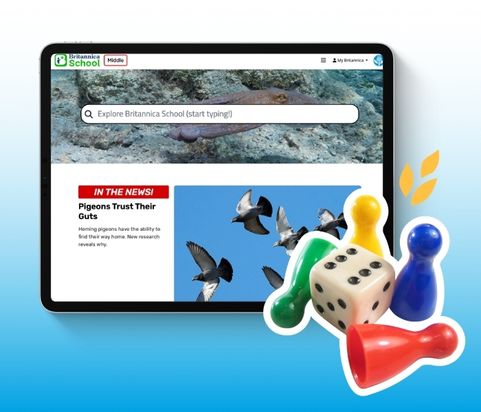
With Britannica School’s built-in tools, you already have everything you need to turn research into an adventure.
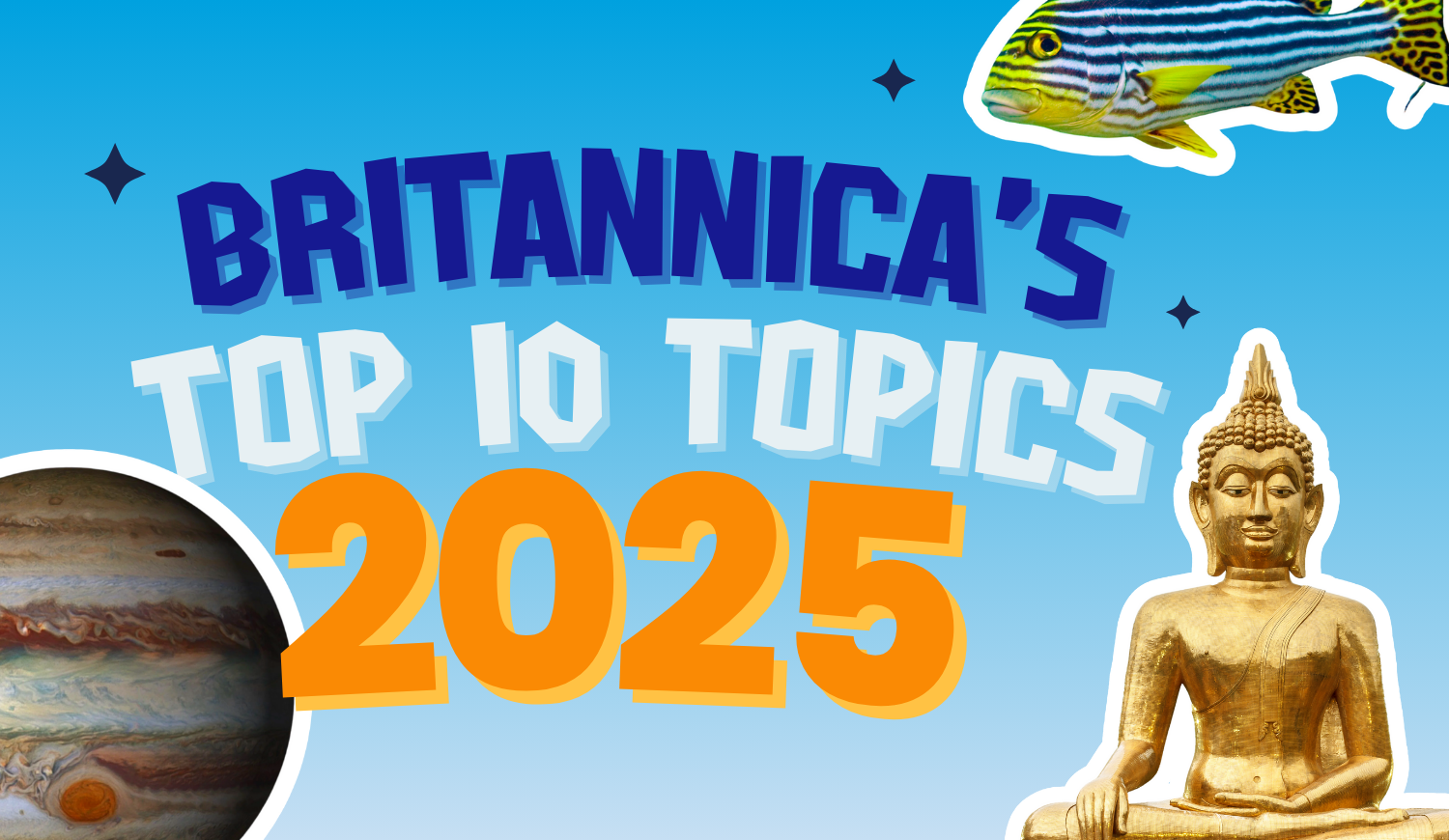
Britannica School’s most viewed articles offer a peek into what captured the curiosity of students, teachers, and library-goers in 2025.
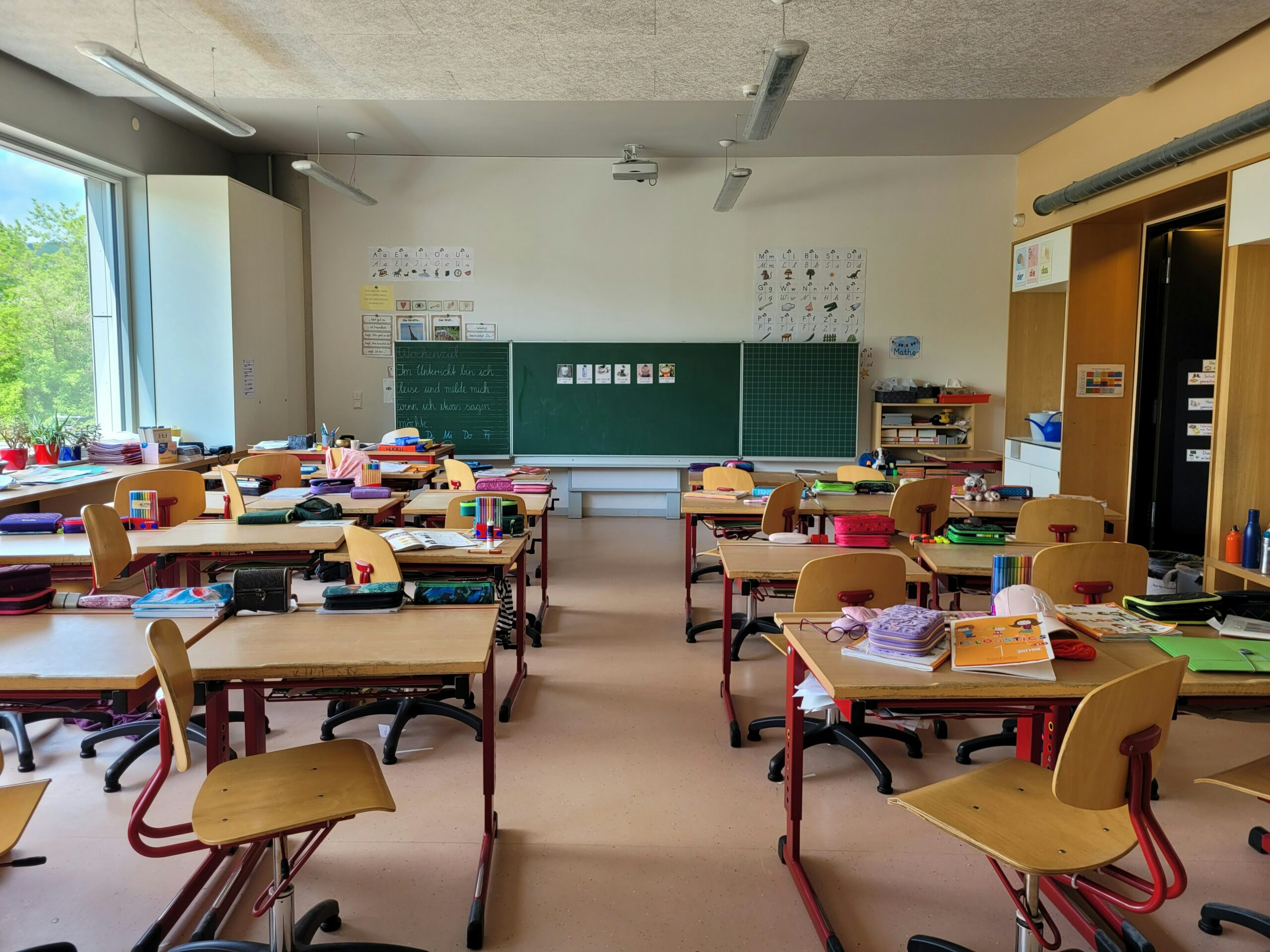
As exam time rolls around, the pressure ramps up for everyone. Discover some practical ways to make the most of your resource this term.
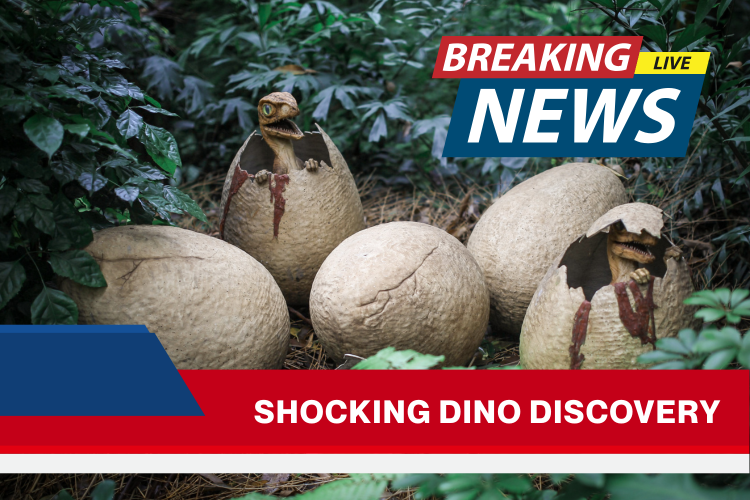
These Australian curriculum-aligned classroom activities invite students to explore what might happen if dinosaurs walked the Earth again

Britannica School’s Ocean Conservation resources include engaging diagrams, charts, and other structured visuals.
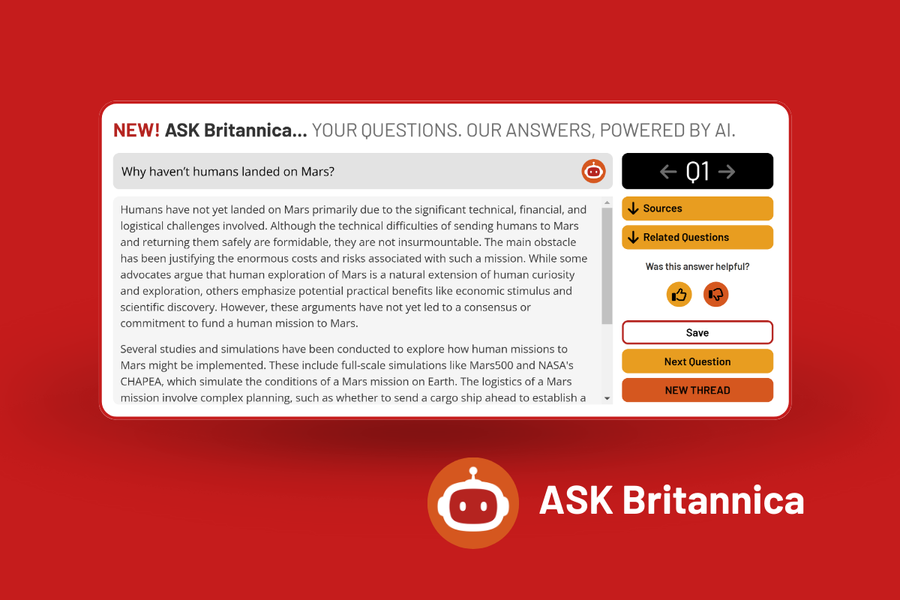
ASK Britannica makes it simple to ask questions, find answers and explanations, and explore Britannica’s vast knowledge base.

By understanding the science of confidence and using trusted resources like Britannica, educators can build confident learners
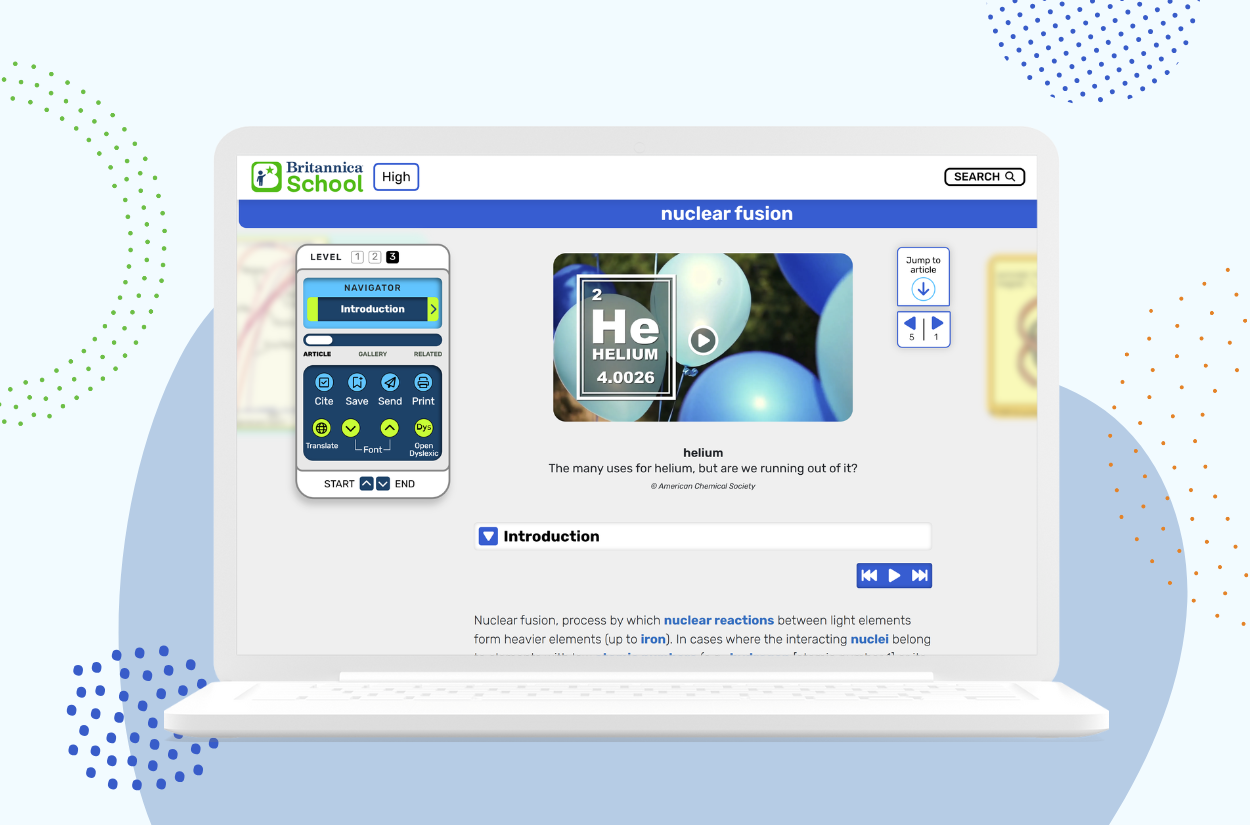
In 2025, we’re continuing to expand, update, and enhance Britannica School, starting with the launch of a new High School Level design this month.

Curiosity doesn’t just help us learn; it deepens learning. When curiosity is sparked, our brains go into a state of heightened focus, where information retention is more effective.
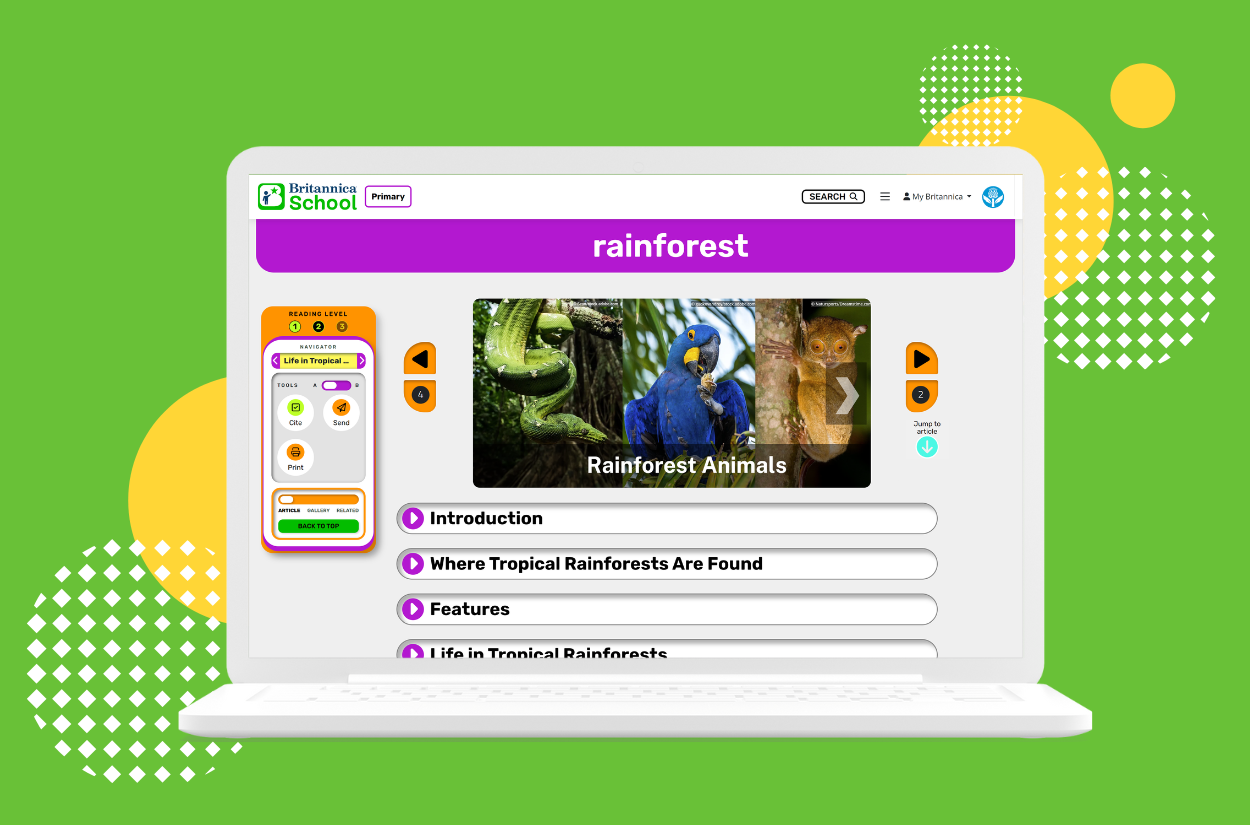
At Britannica Education, we recognise the power of curiosity, and we’re emphasising this with our most recent updates to Britannica School.

Technical Help
We are committed to providing our users with the most responsive support possible. If you are encountering technical difficulties, our support team is here to help.
Tech Support
We try to provide our users with the most responsive support possible. If your institution encounters any technical difficulties, please contact:

