




Neuroscience and Psychology of Curiosity: The Key to Engaging Minds in the Classroom

share


For better or for worse, we’ve all made decisions based on our innate desire to know things. What makes curiosity such a powerful driver of human compulsion, and how can we better leverage it to engage students in the classroom?
Curiosity is a remarkable trait that fuels our desire to learn, explore, and understand the world around us. It’s the spark that drives scientists to make groundbreaking discoveries and motivates students to dive deeper into their studies. From a neuroscience perspective, curiosity plays a critical role in memory formation, attention, and motivation. It’s not just a fleeting feeling—it’s a powerful force that enhances cognitive function and helps develop a growth-oriented personality.
In this blog, we’ll explore the science behind curiosity, its impact on learning, and how teachers can harness this superpower to transform the educational experience.
The Science: Curiosity, Memory, and Motivation
Neuroscience shows that curiosity stimulates the brain’s reward system, increasing dopamine release—a neurotransmitter associated with pleasure and motivation. This release creates a positive feedback loop, making learning more enjoyable and enhancing memory formation, especially in the hippocampus, where long-term memories are created.
Curiosity doesn’t just help us learn; it deepens learning. When curiosity is sparked, our brains go into a state of heightened focus, where information retention is more effective. This heightened state involves the activation of brain regions associated with reward processing, like the ventral striatum, and those linked with memory formation, like the hippocampus. This neural activity enables students to absorb and recall information more efficiently, making curiosity-driven lessons more memorable than passive instruction.
In a classroom setting, curiosity also boosts motivation by making learning intrinsically rewarding. This intrinsic motivation is essential for students to engage deeply and participate actively. However, rigid curricula often undermine curiosity by focusing on standardised goals over individual exploration. The true art of teaching lies in sparking curiosity while aligning with curriculum requirements, helping students to connect deeply with the material and develop a growth mindset.
The Application: 5 Neuroscience-Based Steps to Inspire Curiosity in the Classroom
Pose Open-Ended Questions
Principle: Open-ended questions stimulate curiosity-driven brain regions, including the prefrontal cortex, fostering deeper thinking and engagement.
Application: Encourage students to ask “why” and “how” questions, even those unrelated to the lesson. This practice strengthens their problem-solving skills and builds neural connections that support critical thinking.
Introduce Novelty to Lessons
Principle: Novel information releases dopamine, which increases engagement and makes content more memorable.
Application: Incorporate unexpected or unusual elements into lessons—like a surprising fact or a new teaching method. This creates excitement and helps students form lasting memories around new concepts.
Offer Choice and Autonomy
Principle: Autonomy activates the brain’s reward system, enhancing motivation and engagement.
Application: Allow students to select project topics or choose how they present their work. This approach empowers them to engage with material in a personal, meaningful way, building self-driven curiosity and commitment to learning.
Create a Safe Environment for Experimentation
Principle: A supportive environment reduces amygdala activity, lowering anxiety and fostering intellectual risk-taking.
Application: Make it clear that mistakes are part of the learning journey. By ensuring that students feel comfortable taking risks, you create a space where they’re more likely to explore and push their limits.
Provide Incremental Challenges
Principle: When faced with a small knowledge gap, the brain releases dopamine, motivating further inquiry.
Application: Introduce complex problems gradually, building on existing knowledge. This approach taps into curiosity’s “information-gap theory,” motivating students to bridge the gap with focused effort.
Growing Curiosity with Digital Learning Resources
Tools like Britannica School and Expedition: Learn! are invaluable for satisfying and growing students’ curiosity.
These resources provide reliable, in-depth information that students can access the moment they feel the “curiosity itch.” When curiosity strikes, having easy access to such knowledge bases enables students to independently explore topics, answer questions, and deepen their understanding in real time.
For instance, Britannica School offers a vast collection of articles, videos, and interactive elements tailored to various reading levels, allowing students to dive into subjects with trusted information. Expedition: Learn! takes a hands-on approach, connecting students with experiential learning that encourages them to ask questions and find answers within a structured yet open framework. These resources not only feed curiosity but also encourage self-directed learning, helping students build research skills that are crucial for lifelong inquiry.
By integrating Britannica resources into classrooms, teachers can foster an environment where curiosity is celebrated, and students feel empowered to seek out knowledge. This also aligns well with neuroscience principles: the accessibility of answers satisfies the dopamine-driven urge to resolve curiosity, reinforcing memory and motivation for learning.
In closing:
Curiosity is more than a fleeting interest—it’s a neuroscience-backed tool that strengthens memory, fosters engagement, and motivates students. By understanding how curiosity shapes the brain, teachers can inspire deeper learning and make classroom experiences more impactful. Although curricula can be restrictive, it’s possible to inspire curiosity within these frameworks, empowering students to become motivated, resilient learners.


Recent Blog Posts
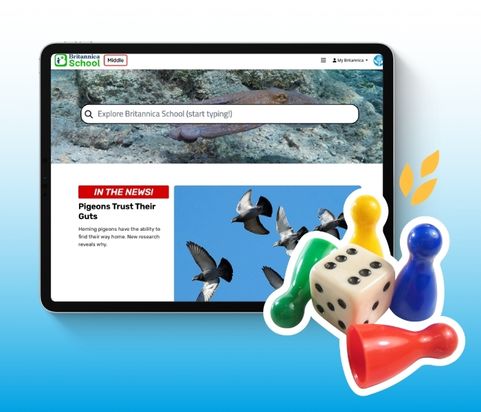
With Britannica School’s built-in tools, you already have everything you need to turn research into an adventure.
Britannica School’s most viewed articles offer a peek into what captured the curiosity of students, teachers, and library-goers in 2025.
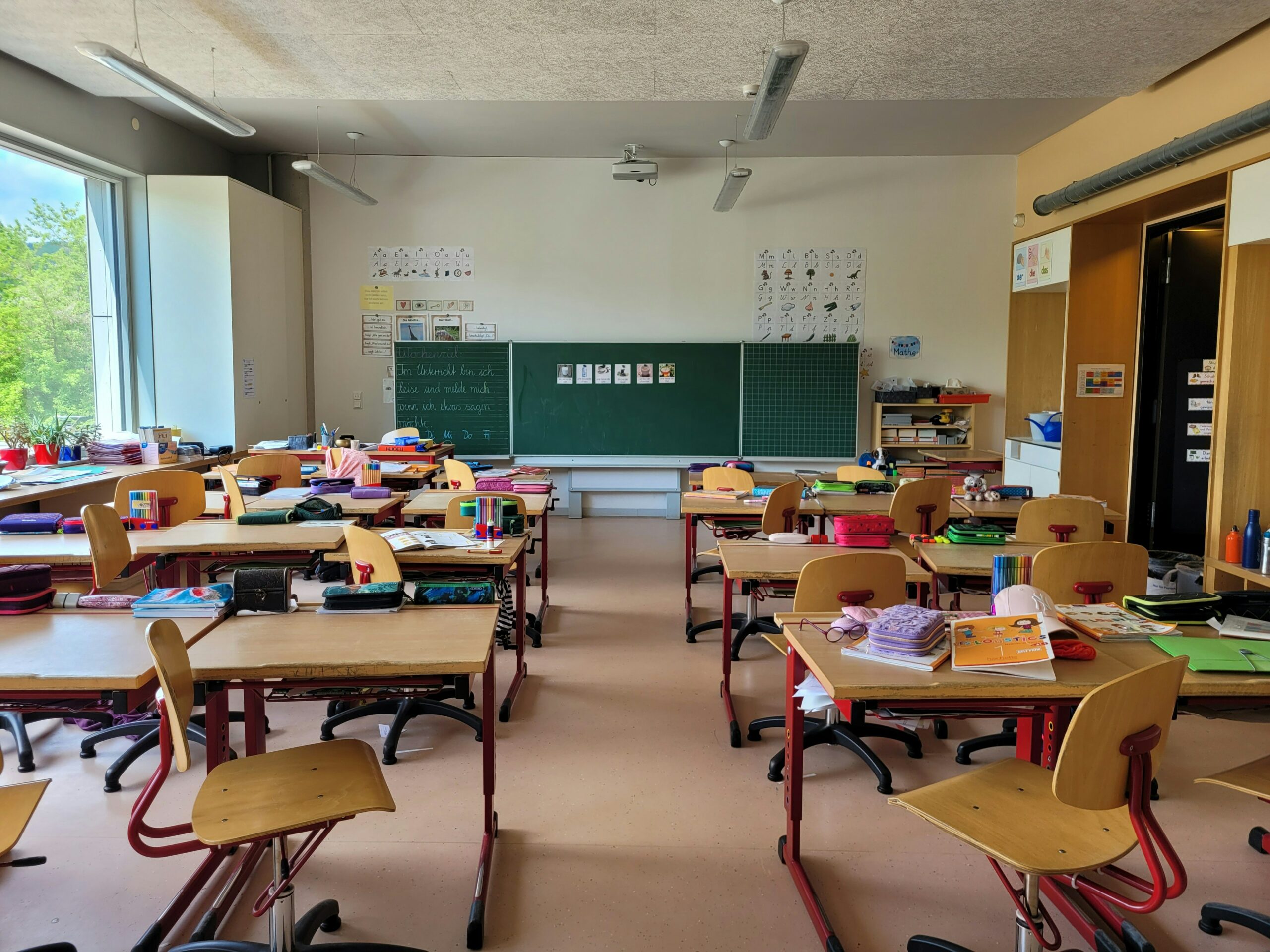
As exam time rolls around, the pressure ramps up for everyone. Discover some practical ways to make the most of your resource this term.

Scientific literacy goes beyond knowing facts or memorising vocabulary. At its core, it’s about understanding how science works.
These Australian curriculum-aligned classroom activities invite students to explore what might happen if dinosaurs walked the Earth again

Britannica School’s Ocean Conservation resources include engaging diagrams, charts, and other structured visuals.
Curiosity in science matters, but without explicit instruction to lay the groundwork, inquiry can leave students guessing.
Alison Davis shares powerful strategies for embedding real-world skills into English Language Teaching (ELT)
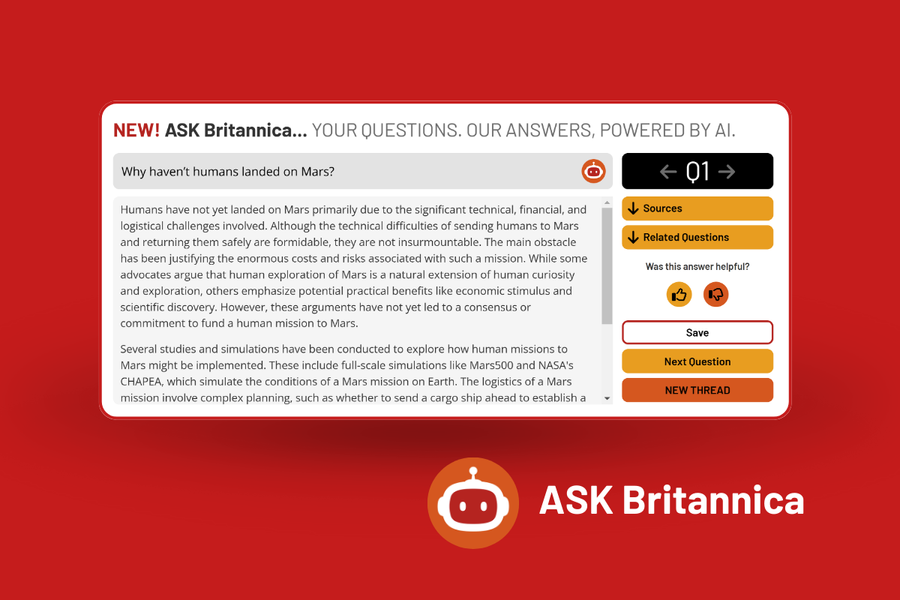
ASK Britannica makes it simple to ask questions, find answers and explanations, and explore Britannica’s vast knowledge base.

By understanding the science of confidence and using trusted resources like Britannica, educators can build confident learners