





share


Imagine a classroom where every student is deeply engaged, asking questions, seeking answers, and finding joy in learning. This is the power of self-guided inquiry.
Self-guided inquiry is a method that empowers students to take control of their own learning, sparking curiosity and fostering lifelong skills in critical thinking, problem-solving, and social-emotional growth. As the world overflows with information, teaching students how to learn — how to question, research, and explore — is becoming more important. Self-guided inquiry allows students to pursue their passions while developing the skills needed for future challenges.
Driving Engagement through Discovery Learning
Discovery Learning is a technique of inquiry-based learning, and its magic is evident when students take ownership of their educational journey. Instead of passively receiving information, they actively seek it, making learning more engaging and meaningful. Jean Piaget, a renowned educational theorist, supported the idea that students construct knowledge through their own experiences. In the classroom, this translates to encouraging students to ask questions, explore topics, and solve problems that resonate with them.
A study by the University of Virginia showed that students undertaking inquiry-based learning displayed increased motivation and improved problem-solving skills compared to their peers in traditional classrooms. When students feel in control of their learning journey, they are more likely to engage deeply, persevere through challenges, and develop a growth mindset.
Using Inquiry to Boost Social-Emotional Learning (SEL)
Self-guided inquiry goes beyond acquiring content knowledge; it also promotes social-emotional learning (SEL). By engaging in inquiry, students naturally develop skills such as self-confidence, resilience, goal-setting, and collaboration. When students choose a topic to explore, they take responsibility for setting and achieving their own learning goals, which builds self-efficacy. Additionally, the process of tackling challenging problems teaches perseverance, while sharing discoveries fosters communication and teamwork.
Inquiry Prompts to Get Students Thinking:
- What is something you’re curious about and want to explore further?
- How can you investigate this issue in a new or creative way?
- What surprised you most about your findings, and what new questions do you have?
Making Learning Meaningful and Purposeful
One of the most compelling aspects of self-guided inquiry is that it makes learning purposeful. When students see how their learning connects to real-world issues or personal interests, they’re naturally more engaged. Teachers can help students make these connections by guiding them to explore broad themes like culture, sustainability, technology, or social justice.
Backward design, a planning approach that starts with the end goal in mind, can be an effective self-guided inquiry strategy. As a part of backward design, teachers define what students should understand or be able to do by the end of the unit, thus ensuring that the inquiry process remains purposeful yet flexible. Encouraging students to reflect on how their learning relates to the bigger picture also helps to deepen their understanding.
Inquiry Prompts to Get Students Thinking:
- How does this topic connect to something important in your life?
- What are the broader implications of what you’ve learned?
- How can you apply this knowledge to solve real-world problems?
Learning Activities
Practical Strategies for Implementing Self-Guided Inquiry
So how do you go about implementing self-guided inquiry in your classroom? Here are a few practical strategies we’ve pulled together, to help you kick things off:
1. Start With What Excites Students
Interest is the best teacher. Let students explore topics that they’re genuinely curious or excited about. Whether it’s the natural world, technology, popular media or history, giving them the freedom to choose makes learning more meaningful. Ask questions like:
- What’s something you’ve always been curious about?
- How can you turn that curiosity into a research question?
2. Provide the Right Tools
Self-guided inquiry doesn’t mean leaving students to navigate on their own — it’s about equipping them with the right tools. Resources like Britannica School offer curated, reliable content at different reading levels and in different languages, making it easier for students to deep-dive into their interests. Use the resource packs feature to curate content that appeals to the diverse learning needs of all students.
3. Give Students a Framework
While inquiry is student-driven, providing a structure helps keep them focused. Implementing an inquiry cycle, e.g. ask, investigate, create, discuss, reflect, can offer a clear path while still allowing flexibility.
4. Encourage Collaboration
Inquiry becomes even more powerful when students share their learning with others. Let them work together to compare findings, challenge each other’s thinking, and develop solutions. Prompts for collaboration might include:
- How do our findings compare?
- How can we combine our ideas to come up with new solutions?
Self-guided inquiry transforms the classroom into a space of curiosity and exploration. It allows students to take charge of their own learning, builds critical social-emotional skills, and connects learning to real-world issues. With the support of resources like Britannica School, and strategies like inquiry cycles and collaboration, teachers can cultivate a classroom environment where discovery and engagement thrive.
By embracing self-guided inquiry, you move beyond teaching students knowledge to teaching them how to acquire knowledge, a skill that will benefit them for a lifetime.
About Britannica
Britannica delivers instructional solutions that improve classroom outcomes for students around the world. Our approach combines world-class content, pedagogy, instructional design, and technology to deliver award-winning solutions. We serve schools, universities, libraries, governments, ministries of education, and 150+ million students in more than 100 countries worldwide.

Recent Blog Posts
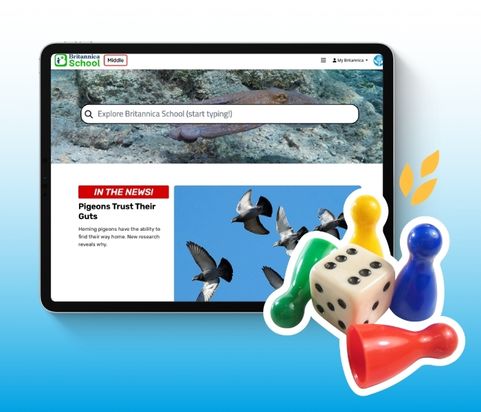
With Britannica School’s built-in tools, you already have everything you need to turn research into an adventure.

Britannica School’s most viewed articles offer a peek into what captured the curiosity of students, teachers, and library-goers in 2025.
As exam time rolls around, the pressure ramps up for everyone. Discover some practical ways to make the most of your resource this term.

Scientific literacy goes beyond knowing facts or memorising vocabulary. At its core, it’s about understanding how science works.

These Australian curriculum-aligned classroom activities invite students to explore what might happen if dinosaurs walked the Earth again

Britannica School’s Ocean Conservation resources include engaging diagrams, charts, and other structured visuals.

Curiosity in science matters, but without explicit instruction to lay the groundwork, inquiry can leave students guessing.
Alison Davis shares powerful strategies for embedding real-world skills into English Language Teaching (ELT)
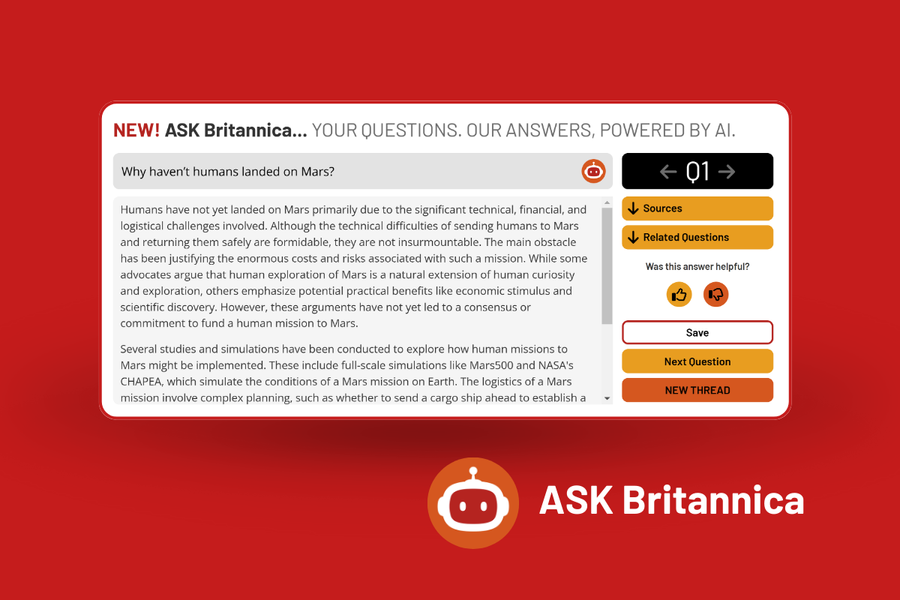
ASK Britannica makes it simple to ask questions, find answers and explanations, and explore Britannica’s vast knowledge base.

By understanding the science of confidence and using trusted resources like Britannica, educators can build confident learners