



Booting “Summer-itis”:
Using Britannica School and the World Cup to Score Big in the Classroom





Believe me, I get it. As a middle school teacher, I know exactly what you’re facing right now as the semester draws to a close: the dreaded “summer-itis.” When the weather gets warm, keeping seventh graders focused on geography feels like trying to stop a Lionel Messi breakaway.
Here in the Kansas City area, we have the added excitement of being the smallest city to host matches in the upcoming World Cup while expecting more than 500,000 visitors to arrive. So to keep learning alive in my classroom up until the final whistle, er, bell, I use the World Cup as the ultimate hook. And while in the past I relied on static readings and handouts, I can now move my end-of-year projects to Britannica School, the flagship digital platform where students can lead their own factual discovery.
Here are some ways Britannica School features can keep my Geography students engaged along with ideas on how you could make it work for your classroom, too.
Real-World Research with “Compare Countries”
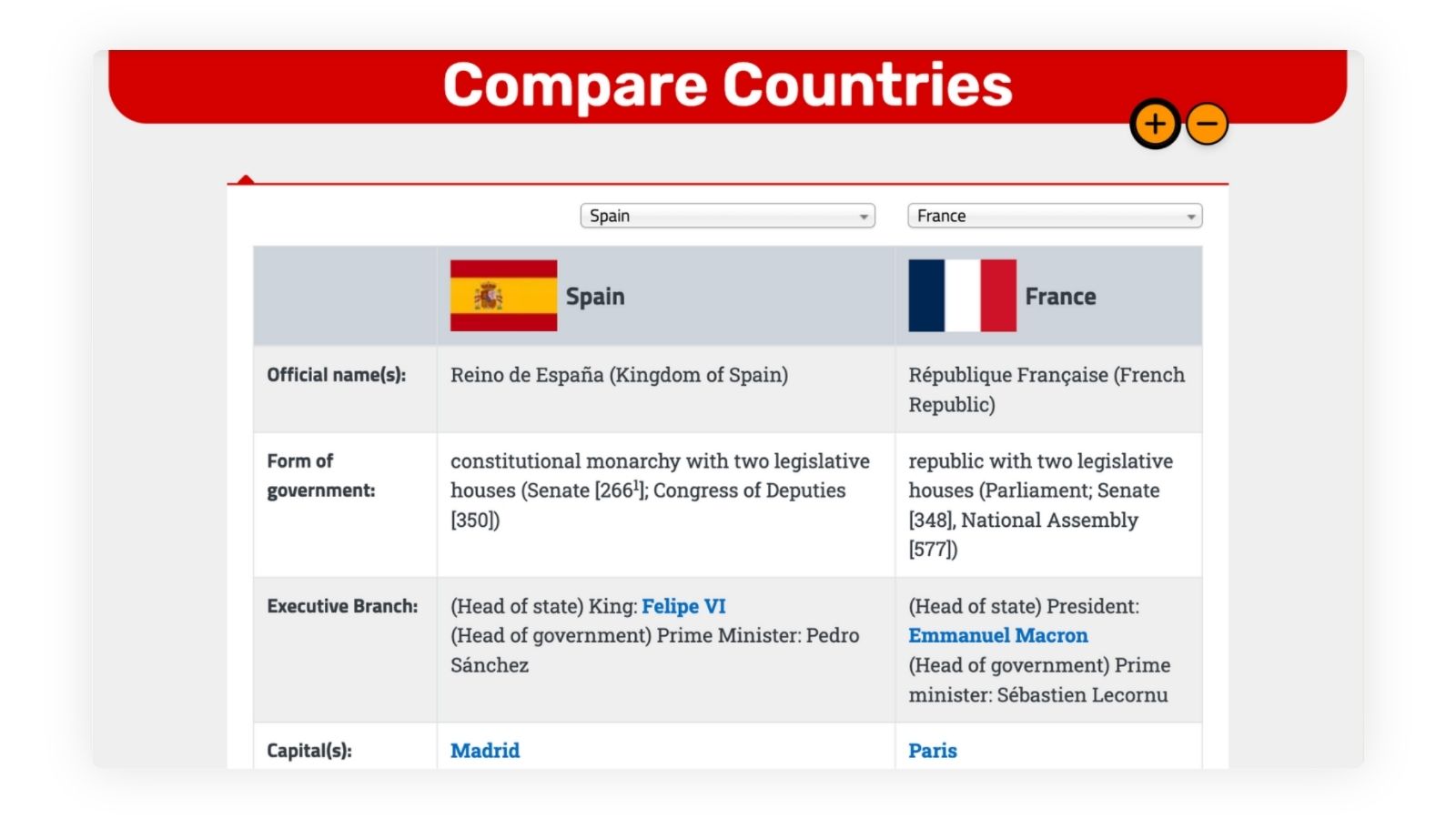
In seventh-grade geography, we are always looking at how different regions stack up. Britannica School’s World Atlas and the Compare Countries tools make it easy to use the 48 participating World Cup nations to kick off authentic learning.
For example, Kansas City is hosting team base camps for Argentina, England, the Netherlands, Algeria, and other nations. Think about asking students to research these specific visiting nations and compare their landforms, climates, and governments to ours in the U.S. This turns a sports story into a deep dive into global diversity, giving students a perspective on their visitors that a static reading just can’t provide.
Meeting Every Learner Where They Are
One of the best ways to combat end-of-year burnout is to ensure every student feels successful. Britannica’s three reading-level options for each article make it easier to handle differentiation automatically. If a student is researching how Argentina’s economy compares to that of the United States, they can toggle the complexity of the text with a single click. This helps keep every student engaged with the same high-interest topic without the frustration of text that is too difficult—especially helpful as attention spans wane at the end of the year!
Take the “Bite” Out of Citations with the “Cite” Tool
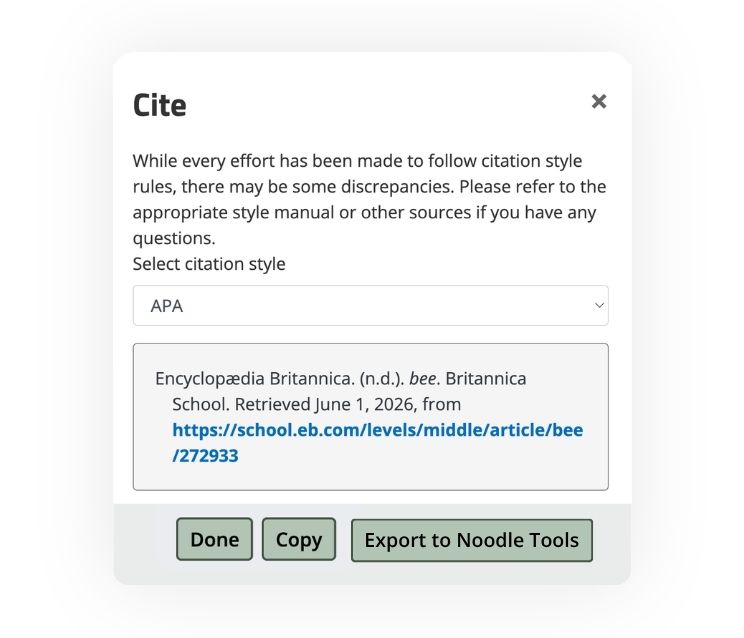
I’m a big believer in the A.C.E. writing strategy (answer, cite, and expand) in middle school. In a typical lesson, the “cite” part is where students often get stuck. They might find a great fact during their research but struggle to attribute it.
To solve this, show them the built-in Cite tool, which instantly generates citations in MLA, APA, Chicago, and Harvard styles. By taking the “scary” out of formatting, it allows students to focus on the “expand” part—explaining why the information they have found matters.
Using Media Hooks to Spark Discussion
To keep your “game plan” fresh, I encourage using the Media Gallery as a daily lesson hook. Showing high-quality video and images from the many available options is always an easy and engaging way to instantly get students talking. I would also check the In the News! feature weekly for vocabulary games and news articles that keep your last lessons feeling as current as the morning headlines.
The “Secret Weapon”: Teach Britannica
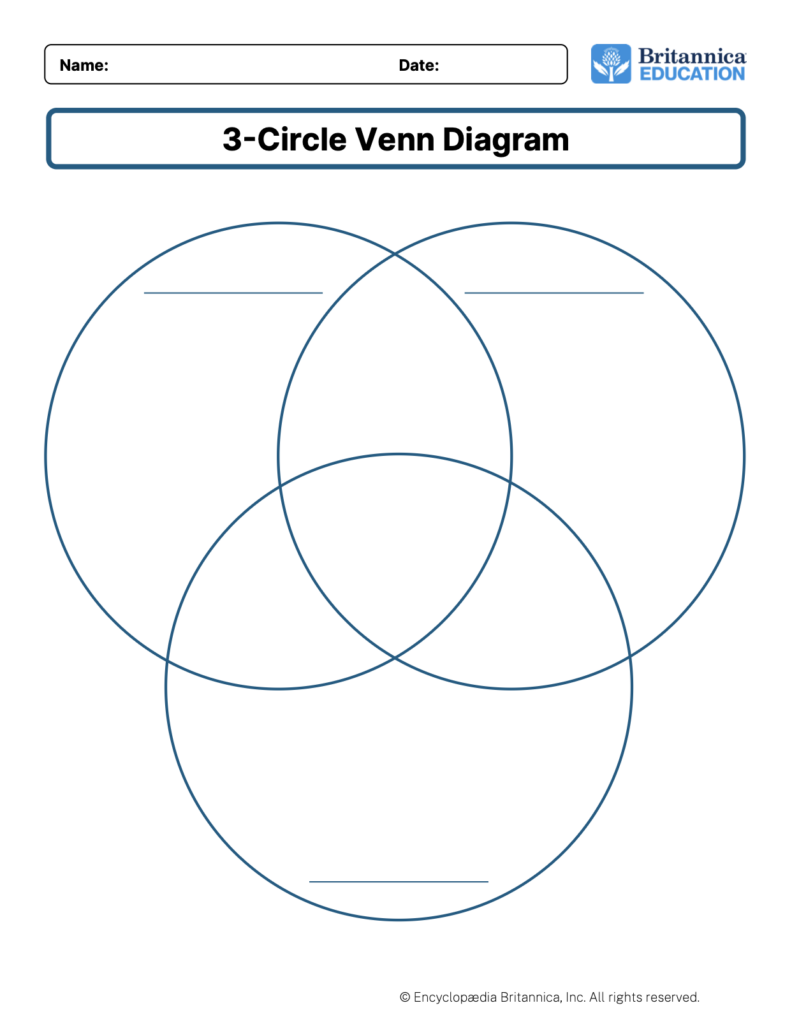
Finally, for any teacher feeling the end-of-year crunch, I recommend heading straight to Teach Britannica. There you will find great resources, such as the 3-Circle Venn Diagram, to help students organize research like their country comparisons. If you need a quick extension or a last-minute emergency sub plan, you could grab one of the modular lesson minis to ensure the learning doesn’t stop even when schedules get hectic those last weeks.
So as the clock ticks down on the year, my advice is that you don’t fight the World Cup fever—harness it! And by moving from traditional materials to an interactive platform like Britannica School, you can give your students the tools to explore the world, one goal at a time.
Ready to add Britannica School’s real-world content to your instruction?
Jerry Morris is an educator in the Kansas City metro area who has taught middle and high school social studies for more than 20 years.

Recent Blog Posts

Beyond the Answer: A More Thoughtful Approach to AI-Powered Research
Read More: Beyond the Answer: A More Thoughtful Approach to AI-Powered Research
AI Can Find an Answer, BUT Can Students Verify It?
Read More: AI Can Find an Answer, BUT Can Students Verify It?
Read, Play, Connect: Bringing Early Literacy to Life with Britannica
Read More: Read, Play, Connect: Bringing Early Literacy to Life with Britannica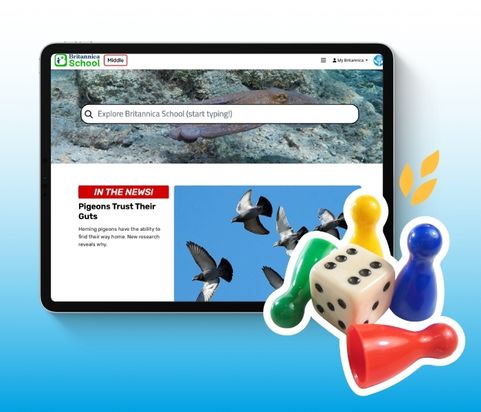
6 Easy Ways to Gamify Britannica School
Read More: 6 Easy Ways to Gamify Britannica School
What Educators Really Think About AI: Insights from ISTE 2026
Read More: What Educators Really Think About AI: Insights from ISTE 2026
From 1776 to Today: The Big U.S. Timeline Quiz
Read More: From 1776 to Today: The Big U.S. Timeline Quiz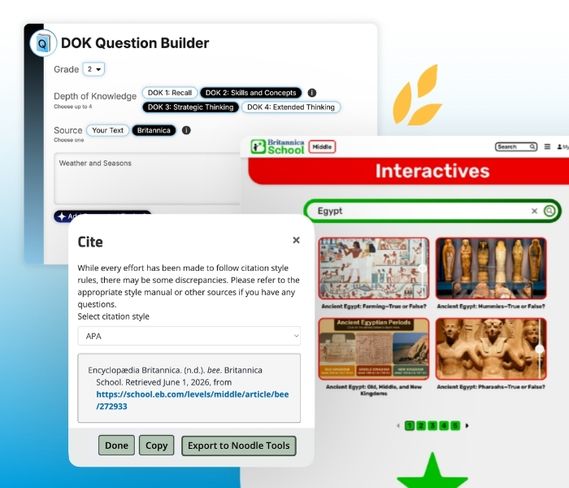
Teach Britannica, for Educators, with Love
Read More: Teach Britannica, for Educators, with Love
Summer Reading Ideas for Kids: Free Activities & Book List
Read More: Summer Reading Ideas for Kids: Free Activities & Book List
Join Our Newsletter
From tips and tricks to engaging activities, find
attention-grabbing content for tomorrow’s lesson.